





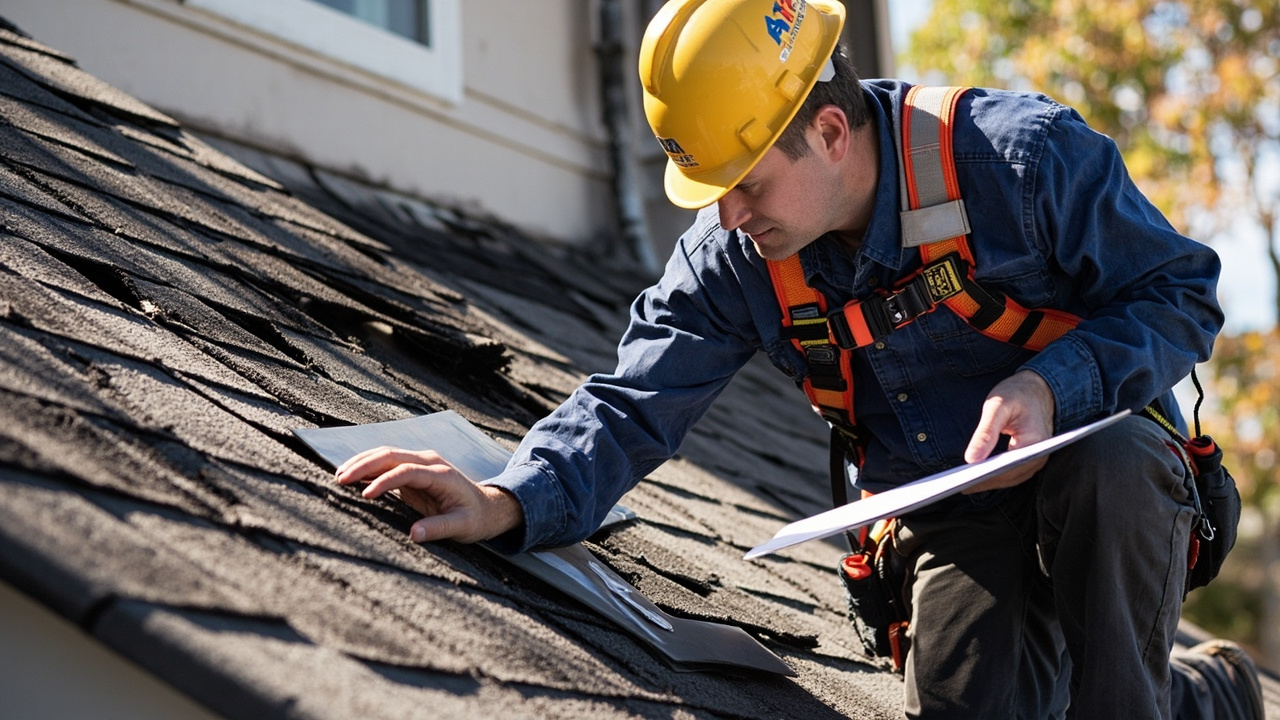
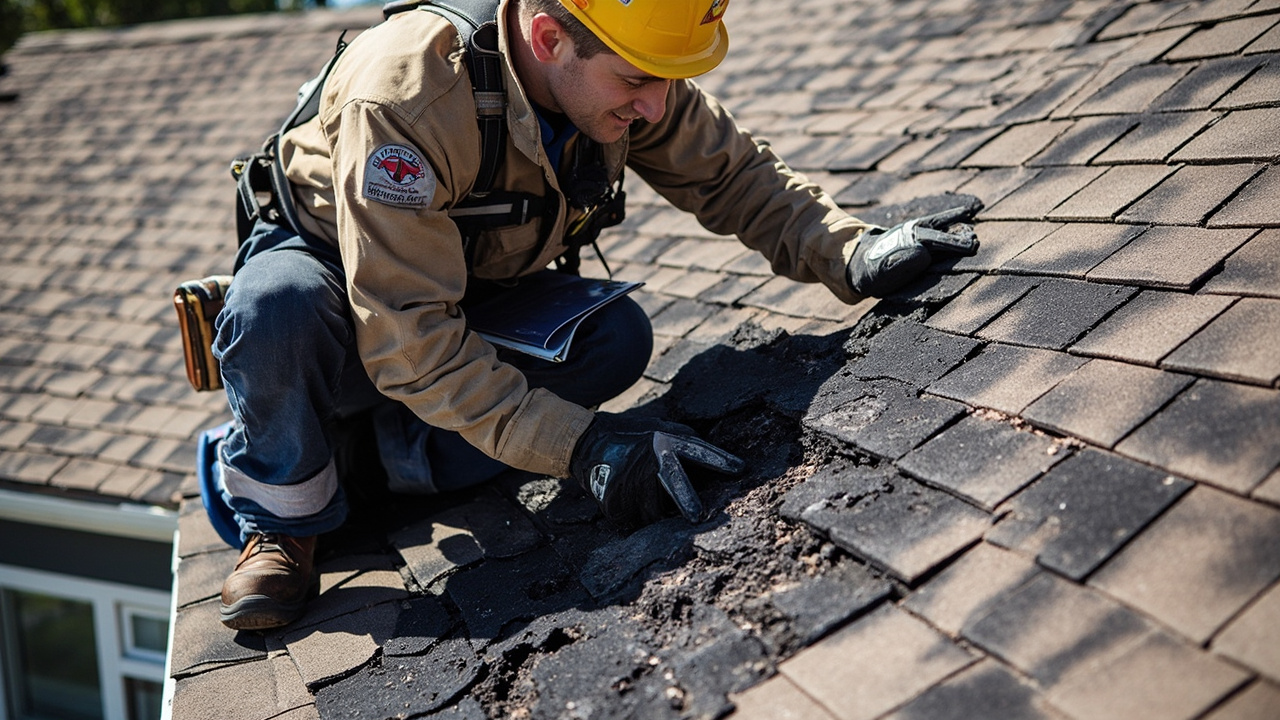
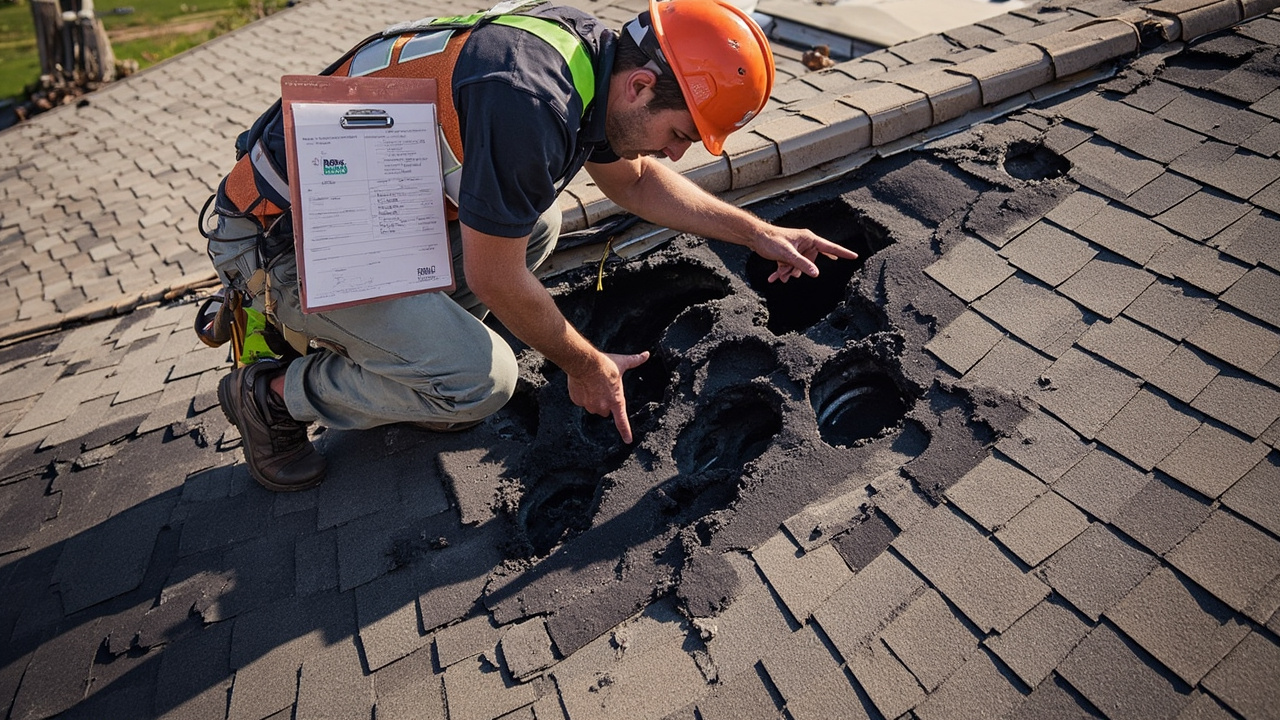
Denver's elevation and low humidity create unique challenges after a roof fire. Charred wood dries rapidly at 5,280 feet, which makes burned decking brittle and prone to sudden structural failure. What seems stable one day can collapse the next when the moisture content drops below critical thresholds. Our structural roof fire analysis accounts for this accelerated degradation. We do not rely on visual inspections alone. Thermal imaging reveals hidden heat pockets still smoldering in insulation or underlayment 24 hours after firefighters leave. Afternoon thunderstorms common to the Front Range dump rain onto compromised decking that no longer sheds water, turning localized fire damage into catastrophic interior flooding. Speed and precision matter in Denver's climate.
Denver building codes have tightened significantly since the 2018 wildfire mitigation updates. If your burned roof predates these changes, your replacement must meet current Class A fire ratings and wind uplift standards, especially in zones near open space or foothills. Apex Roofing Denver knows which materials satisfy both Denver Community Planning and Development requirements and historic district design review boards. We also understand local insurance claim patterns. Adjusters working the metro area often undervalue smoke damage to metal components like flashing and fasteners, claiming surface cleaning is sufficient. We test pH levels and document corrosion so you get full replacement of compromised materials. Local expertise prevents claim denials and ensures code-compliant rebuilds.