
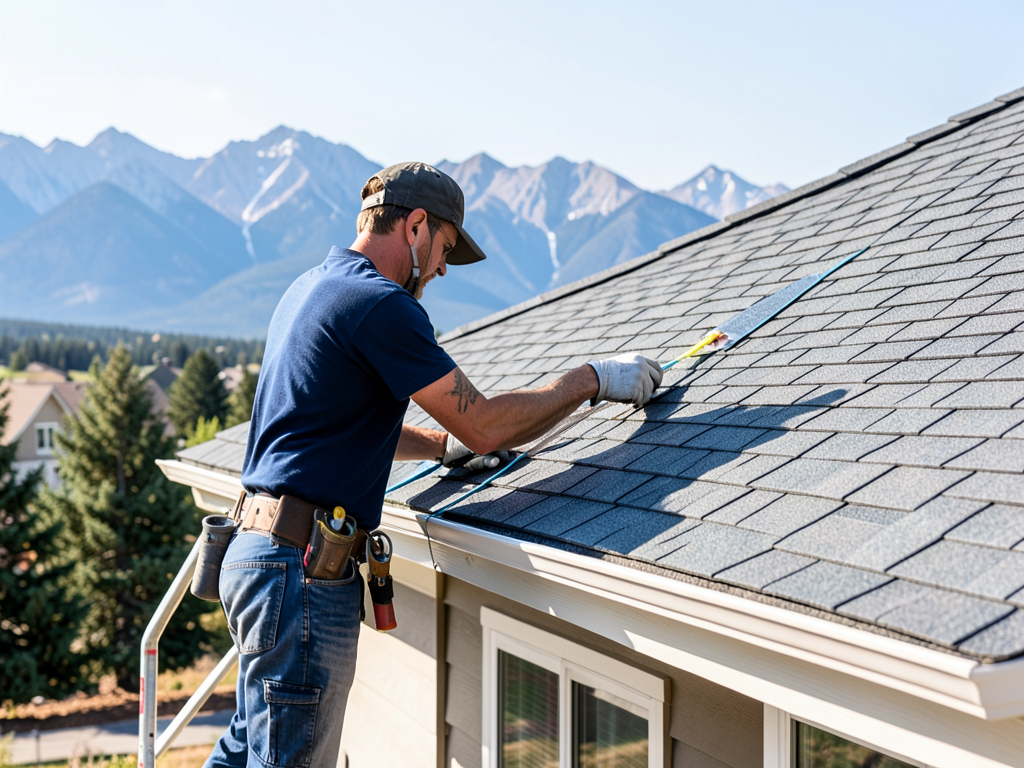
Denver Roofing Permit Requirements: A 2026 Guide for Homeowners
Getting a new roof in Denver means more than picking shingles and finding a contractor. The city requires permits for most roofing work to ensure your home stays safe and up to code. Whether you live in a historic bungalow in Englewood or a modern home in Lakewood, understanding the permit process saves you from costly delays and potential fines. Denver E-permits Portal.
Do You Need a Permit for Roofing in Denver?
Denver’s building department requires permits for most roofing projects. You need a permit when you replace your entire roof, change the roofing material, or make structural modifications. Simple repairs like fixing a few damaged shingles or patching a small leak usually don’t require permits. Denver Landmark Preservation.
The city makes a distinction between repair and replacement. If you’re removing the entire roof down to the deck and installing new materials, you need a permit. If you’re just fixing damage from a recent hail storm, you likely don’t. However, if that hail damage means you’re replacing more than 25% of your roof surface, the city considers it a replacement and requires a permit. Fixing Flat Roof Leaks in LoHi and Modern Denver Homes.
Emergency repairs get special consideration. If a tree falls on your roof during a storm and you need immediate tarping to prevent water damage, you can make those repairs without a permit. But you must apply for the permit within 30 days of completing the emergency work.. Read more about Managing Shared Roof Repairs for Your Duplex or Townhome in Jefferson Park.
Types of Roofing Permits in Denver
Denver offers two main types of roofing permits depending on your project scope. Quick permits work for standard residential roof replacements using common materials like asphalt shingles. These permits typically process within 24-48 hours through the online system. How Much a Full Roof Replacement Actually Costs in Denver Right Now.
Full plan review permits are necessary for complex projects. This includes commercial buildings, homes with unusual architectural features, or when you’re changing the roof’s structural design. The plan review process takes longer – usually 5-10 business days – because city engineers examine your plans in detail.
Commercial properties face additional requirements. The Denver Green Buildings Ordinance affects many commercial roof replacements, especially those over 25,000 square feet. These projects must meet specific energy efficiency and environmental standards. Industrial Roof Replacement.
Denver-Specific Building Code Requirements
Denver adopts the International Residential Code with local amendments. The city’s high altitude and severe weather create unique requirements. All new roofs must meet Class A fire ratings. This means your shingles can withstand severe fire exposure without spreading flames.. Read more about Why Putting a New Layer of Shingles Over an Old One is Usually a Bad Idea.
Ice and water shield requirements are stricter in Denver than many other cities. The code mandates ice and water shield installation in valleys and along eaves where ice dams commonly form. This protects your home from the freeze-thaw cycles that plague Colorado homes.
Wind requirements vary by location. Homes in exposed areas or on hilltops need shingles rated for 150 mph winds. Most Denver neighborhoods require 115-130 mph ratings. Your contractor should know your specific zone requirements.. Read more about Why Your Older Baker Neighborhood Home Might Be Missing a Critical Drip Edge.
Drip edge installation is mandatory on all new roofs. This metal flashing directs water away from your fascia and prevents rot. Denver inspectors check for proper drip edge installation during final inspections.
Asphalt shingles must meet ASTM D3462 standards. This ensures they can handle Denver’s intense UV exposure at 5,280 feet elevation. Many homeowners don’t realize that standard shingles from lower elevations may fail prematurely in Denver’s climate.. Read more about How to Handle Roofing Repairs for a Duplex or Shared Wall Home in Virginia Village.
The Application Process: Step-by-Step
Denver’s E-permits system makes applying for roofing permits straightforward. Here’s how the process works: Roofing Sheridan.
- Gather Required Documents
You need your property’s legal description, contractor’s license information, and a detailed scope of work. For complex projects, include material specifications and manufacturer data sheets.
- Access the E-permits Portal
Visit Denver.gov and navigate to the E-permits section. Create an account if you don’t have one. Most contractors handle this step, but homeowners can apply directly.
- Complete the Application
Enter your project details, property information, and select the appropriate permit type. Double-check that you’ve selected the correct valuation – this affects your permit fees.
- Pay Permit Fees
Fees vary based on project scope. A typical residential roof replacement costs $150-400 in permit fees. Commercial projects cost more based on valuation and complexity.
- Receive Approval
Quick permits often approve within one business day. Full plan reviews take longer. You’ll receive an email when your permit is ready.
- Post Your Permit
Print your permit and post it where inspectors can easily see it during their visits. Many contractors handle this step for you.
Permit fees depend on your project’s valuation. The city uses a sliding scale – higher valued projects pay more. A $15,000 roof replacement might cost $180 in permit fees, while a $50,000 commercial project could cost $450 or more.
Denver offers fee reductions for certain projects. Historic preservation work in designated districts may qualify for reduced fees. Energy-efficient materials might also qualify for discounts through the city’s sustainability programs.
Inspection Milestones
Denver requires inspections at specific stages of your roofing project. The mid-roof inspection happens after you’ve removed the old roofing but before installing new materials. The inspector checks for proper deck preparation, ice and water shield installation, and flashing details. Roofing Englewood.
Final inspections occur when your roof is complete. The inspector examines shingle installation, flashing details, ventilation, and overall workmanship. They verify that all permit requirements were met and that your roof meets code standards.
Scheduling inspections requires advance notice. Most inspectors need 24-48 hours’ notice. Some contractors schedule inspections automatically, while others ask homeowners to handle this step. Missing an inspection can delay your final approval and potentially result in fines.
Inspection failures happen for common reasons. Missing ice and water shield, improper flashing, or inadequate ventilation are frequent issues. If your inspection fails, you’ll receive a written notice explaining what needs correction before a re-inspection.
Common Reasons for Permit Denial in Denver
Denver’s building department denies permits for several common reasons. Incomplete applications top the list. Missing contractor information, incorrect property details, or insufficient scope descriptions cause delays.
Historic district restrictions create unique challenges. Homes in Denver’s landmark districts must follow strict guidelines about materials and appearance. Some modern roofing materials aren’t allowed in these areas. Your contractor should know if your home falls under these restrictions.
Improper materials cause permit denials. Using non-compliant shingles or skipping required components like drip edge leads to rejection. Denver’s high altitude requires specific material ratings that may differ from national standards.
Contractor licensing issues affect permit approval. Your contractor must have a valid Denver license for the specific work type. Out-of-state contractors need special permission to work in Denver.
Property line disputes occasionally arise. If your project affects drainage patterns or creates runoff issues for neighbors, the city may require additional documentation or deny the permit until these concerns are addressed.
Denver Neighborhoods and Permit Considerations
Different Denver neighborhoods face unique roofing challenges. Homes in Englewood and Lakewood often have mid-century modern designs that require special flashing techniques. These neighborhoods experience more severe hail damage than areas closer to downtown.
Historic districts in central Denver have strict material requirements. You cannot use standard architectural shingles on homes in these areas. The Landmark Preservation Commission must approve all exterior changes.
Newer developments in Westminster and Northglenn have different requirements. These areas often need higher wind ratings due to their exposure. The expansive clay soil in these areas also affects roof drainage design.
High-altitude homes in areas like Evergreen or Conifer face additional challenges. These locations require enhanced ventilation systems and materials rated for extreme temperature swings. Permit requirements become more stringent as you gain elevation.
Working with Your Contractor on Permits
Most professional roofing contractors handle permits as part of their service. They understand local requirements and have experience navigating the E-permits system. However, homeowners should still understand the process to ensure everything proceeds smoothly.
Ask your contractor about their permit handling process. Do they include permit fees in their quote? Will they schedule inspections? Who posts the permit at your property? Clear communication prevents misunderstandings.
Verify your contractor’s license status before work begins. Denver requires specific licenses for roofing work. An unlicensed contractor cannot legally pull permits, and work done without proper permits may need to be redone.
Keep copies of all permit documents. Take photos of the posted permit. This documentation helps if questions arise later about your roof’s compliance status.
Insurance and Permits
Your homeowner’s insurance may require permits for roofing work. Some policies won’t cover damage to unpermitted work. Always check with your insurance provider before starting a roofing project.
Insurance companies often require documentation of proper permits when processing claims. If you file a claim for roof damage and cannot prove the work was permitted, your claim might be denied or reduced.
Commercial properties face additional insurance considerations. Many commercial policies require annual roof inspections and documentation of permit compliance. Failure to maintain proper permits can void insurance coverage.
Frequently Asked Questions
Do I need a permit to replace my roof in Denver?
Yes, most roof replacements in Denver require permits. The city considers full replacements structural work that must be inspected for safety and code compliance.
How long does it take to get a roofing permit in Denver?
Quick permits typically approve within 24-48 hours. Full plan reviews take 5-10 business days. Most contractors apply for permits immediately after contract signing.
What happens if I don’t get a permit for my roof replacement?
Working without a permit can result in fines up to $1,000 per day. You may also have to tear off and replace the roof at your own expense to pass inspection.
Can I apply for a roofing permit myself?
Yes, homeowners can apply for permits through Denver’s E-permits system. However, most choose to have their licensed contractor handle this process.
How much do roofing permits cost in Denver?
Permit fees range from $150-400 for typical residential projects. Fees depend on project valuation and complexity. Commercial projects cost more based on scope.
Ready to Start Your Roofing Project?
Understanding Denver’s roofing permit requirements helps you plan your project properly. Whether you need a simple repair or a complete roof replacement, working with a knowledgeable contractor makes the permit process much easier.
Apex Roofing Denver has years of experience handling permits throughout the Denver metro area. We know the specific requirements for homes in Englewood, Lakewood, Westminster, and surrounding neighborhoods. Our team handles the entire permit process so you can focus on choosing the right materials for your home.
Don’t let permit confusion delay your roofing project. Call Apex Roofing Denver today at (720) 484-8300 for a free consultation. We’ll explain exactly what permits you need and handle all the paperwork. Your new roof starts with proper permitting – let us take care of the details while you enjoy peace of mind knowing your project meets all Denver requirements.
{
“@context”: “https://schema.org”,
“@type”: “BlogPosting”,
“headline”: “Everything Denver Homeowners Need to Know About Local Roofing Permits and Inspections”,
“description”: “Denver roofing permits explained. Learn when you need a permit, how to apply through E-permits, inspection requirements, and avoid common mistakes.”,
“wordCount”: 1821,
“datePublished”: “2026-05-25T06:46:00.000Z”,
“dateModified”: “2026-05-25T06:46:00.000Z”,
“inLanguage”: “en-US”,
“mainEntityOfPage”: {
“@type”: “WebPage”,
“@id”: “https://apexroofingdenver.com”
},
“publisher”: {
“@type”: “LocalBusiness”,
“name”: “Apex Roofing Denver”,
“url”: “https://apexroofingdenver.com”
},
“author”: {
“@type”: “Organization”,
“name”: “Apex Roofing Denver”,
“url”: “https://apexroofingdenver.com”
},
“image”: {
“@type”: “ImageObject”,
“url”: “https://apexroofingdenver.com/wp-content/uploads/2026/03/everything-denver-homeowners-need-to-know-about-lo-1.png”
}
}
{
“@context”: “https://schema.org”,
“@type”: “RoofingContractor”,
“name”: “Apex Roofing Denver”,
“url”: “https://apexroofingdenver.com”,
“address”: {
“@type”: “PostalAddress”,
“addressLocality”: “Denver”
},
“areaServed”: {
“@type”: “City”,
“name”: “Denver”
}
}
{
“@context”: “https://schema.org”,
“@type”: “FAQPage”,
“mainEntity”: [
{
“@type”: “Question”,
“name”: “Do You Need a Permit for Roofing in Denver?”,
“acceptedAnswer”: {
“@type”: “Answer”,
“text”: “Denver’s building department requires permits for most roofing projects. You need a permit when you replace your entire roof, change the roofing material, or make structural modifications. Simple repairs like fixing a few damaged shingles or patching a small leak usually don’t require permits. Denver Landmark Preservation.”
}
},
{
“@type”: “Question”,
“name”: “Do I need a permit to replace my roof in Denver?”,
“acceptedAnswer”: {
“@type”: “Answer”,
“text”: “Yes, most roof replacements in Denver require permits. The city considers full replacements structural work that must be inspected for safety and code compliance.”
}
},
{
“@type”: “Question”,
“name”: “How long does it take to get a roofing permit in Denver?”,
“acceptedAnswer”: {
“@type”: “Answer”,
“text”: “Quick permits typically approve within 24-48 hours. Full plan reviews take 5-10 business days. Most contractors apply for permits immediately after contract signing.”
}
},
{
“@type”: “Question”,
“name”: “What happens if I don’t get a permit for my roof replacement?”,
“acceptedAnswer”: {
“@type”: “Answer”,
“text”: “Working without a permit can result in fines up to $1,000 per day. You may also have to tear off and replace the roof at your own expense to pass inspection.”
}
},
{
“@type”: “Question”,
“name”: “Can I apply for a roofing permit myself?”,
“acceptedAnswer”: {
“@type”: “Answer”,
“text”: “Yes, homeowners can apply for permits through Denver’s E-permits system. However, most choose to have their licensed contractor handle this process.”
}
},
{
“@type”: “Question”,
“name”: “How much do roofing permits cost in Denver?”,
“acceptedAnswer”: {
“@type”: “Answer”,
“text”: “Permit fees range from $150-400 for typical residential projects. Fees depend on project valuation and complexity. Commercial projects cost more based on scope.”
}
},
{
“@type”: “Question”,
“name”: “Ready to Start Your Roofing Project?”,
“acceptedAnswer”: {
“@type”: “Answer”,
“text”: “Understanding Denver’s roofing permit requirements helps you plan your project properly. Whether you need a simple repair or a complete roof replacement, working with a knowledgeable contractor makes the permit process much easier.”
}
}
]
}
{
“@context”: “https://schema.org”,
“@type”: “HowTo”,
“name”: “How to Apply for a Denver Roofing Permit”,
“step”: [
{
“@type”: “HowToStep”,
“position”: 1,
“name”: “Gather Required Documents”,
“text”: “You need your property’s legal description, contractor’s license information, and a detailed scope of work. For complex projects, include material specifications and manufacturer data sheets.”
},
{
“@type”: “HowToStep”,
“position”: 2,
“name”: “Access the E-permits Portal”,
“text”: “Visit Denver.gov and navigate to the E-permits section. Create an account if you don’t have one. Most contractors handle this step, but homeowners can apply directly.”
},
{
“@type”: “HowToStep”,
“position”: 3,
“name”: “Complete the Application”,
“text”: “Enter your project details, property information, and select the appropriate permit type. Double-check that you’ve selected the correct valuation – this affects your permit fees.”
},
{
“@type”: “HowToStep”,
“position”: 4,
“name”: “Pay Permit Fees”,
“text”: “Fees vary based on project scope. A typical residential roof replacement costs $150-400 in permit fees. Commercial projects cost more based on valuation and complexity.”
},
{
“@type”: “HowToStep”,
“position”: 5,
“name”: “Receive Approval”,
“text”: “Quick permits often approve within one business day. Full plan reviews take longer. You’ll receive an email when your permit is ready.”
},
{
“@type”: “HowToStep”,
“position”: 6,
“name”: “Post Your Permit”,
“text”: “Print your permit and post it where inspectors can easily see it during their visits. Many contractors handle this step for you.”
}
],
“image”: “https://apexroofingdenver.com/wp-content/uploads/2026/03/everything-denver-homeowners-need-to-know-about-lo-1.png”
}
{
“@context”: “https://schema.org”,
“@type”: “BreadcrumbList”,
“itemListElement”: [
{
“@type”: “ListItem”,
“position”: 1,
“name”: “Home”,
“item”: “https://apexroofingdenver.com”
},
{
“@type”: “ListItem”,
“position”: 2,
“name”: “Blog”,
“item”: “https://apexroofingdenver.com/blog”
},
{
“@type”: “ListItem”,
“position”: 3,
“name”: “Everything Denver Homeowners Need to Know About Local Roofing Permits and Inspections”
}
]
}
{
“@context”: “https://schema.org”,
“@type”: “Service”,
“serviceType”: “Roofing”,
“provider”: {
“@type”: “LocalBusiness”,
“name”: “Apex Roofing Denver”,
“url”: “https://apexroofingdenver.com”
},
“areaServed”: {
“@type”: “City”,
“name”: “Denver”
},
“description”: “Denver roofing permits explained. Learn when you need a permit, how to apply through E-permits, inspection requirements, and avoid common mistakes.”
}