






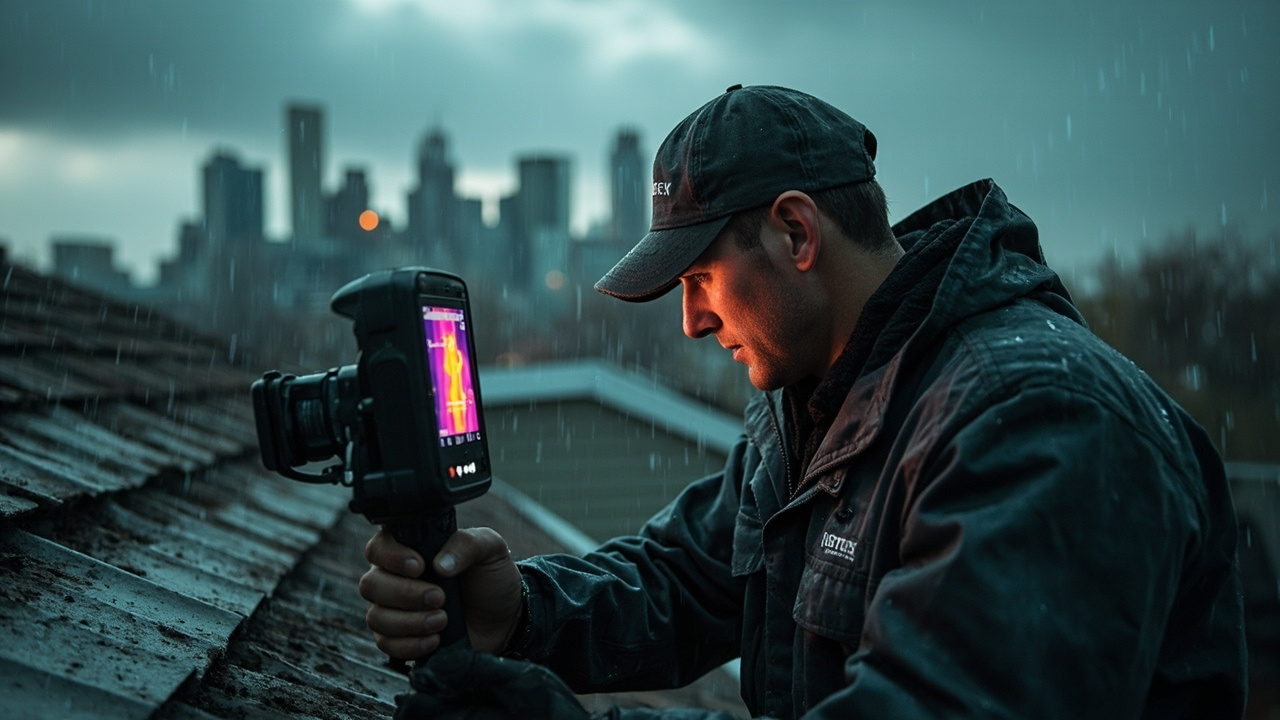
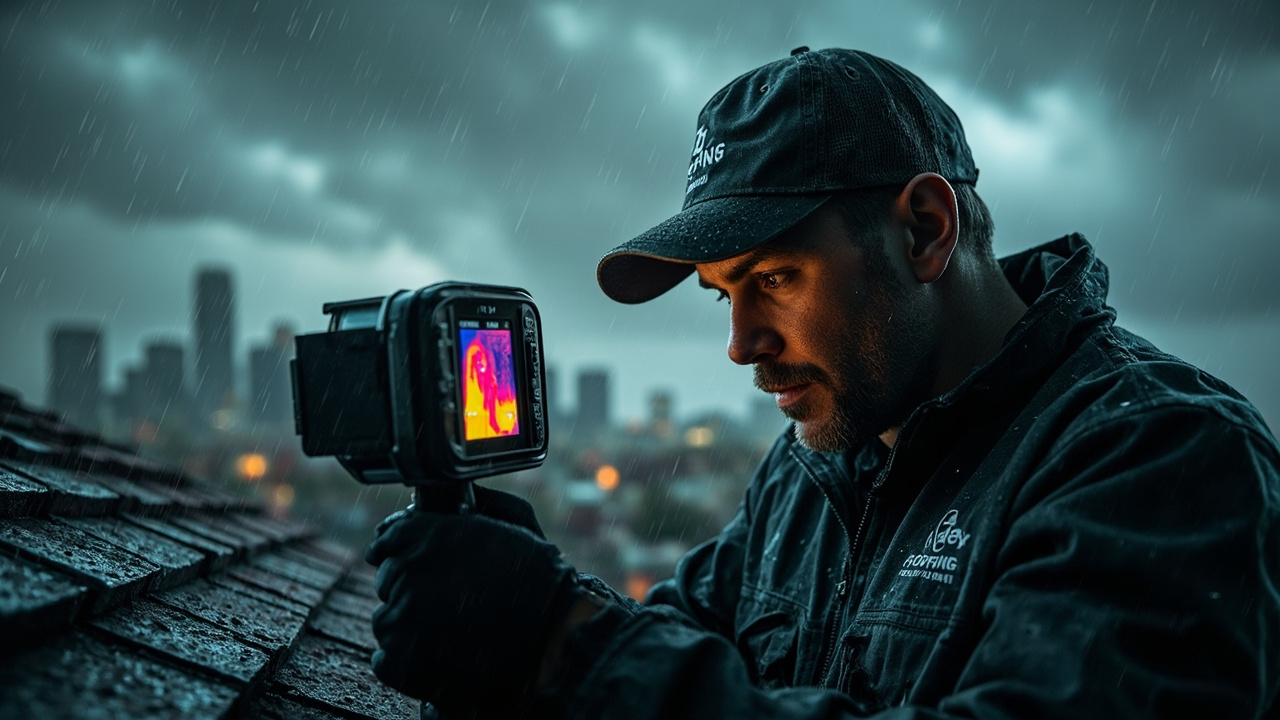
Denver sits 5,280 feet above sea level, where UV radiation intensity increases approximately eight to ten percent compared to coastal elevations. This accelerated UV exposure degrades asphalt shingle granules, dries out rubber boot seals around plumbing vents, and makes flashing sealants brittle in half the time you would see in lower elevations. Emergency roof leak detection becomes critical in Denver because small material failures progress rapidly under intense sun exposure combined with freeze-thaw cycling. A cracked pipe boot that might last two years in Houston fails in eight months here. Our thermal imaging identifies UV-damaged materials before they leak, giving you the option to replace vulnerable components proactively rather than reactively during a rainstorm.
Apex Roofing Denver maintains relationships with local building inspectors, insurance adjusters, and material suppliers across the Front Range. We understand Denver's building code amendments specific to wind uplift requirements in high-altitude environments and ice dam prevention standards for north-facing roof slopes. Our technicians receive ongoing training on Denver's unique roofing challenges, from hail damage assessment protocols recognized by Colorado insurance carriers to proper flashing installation techniques for Denver's low-humidity environment where sealants cure differently than in humid climates. When you choose a local emergency roof leak detection service, you gain access to expertise shaped by thousands of Denver-specific roof failures, not generic training from a national franchise manual.