





Menu

Does Insurance Cover Roof Leaks in Denver? – Get the Coverage Clarity You Need Before Filing a Claim

Understand exactly what homeowners insurance roof leak coverage applies to your Denver property so you can make informed decisions about repairs, documentation, and filing claims that actually get approved.

Slider Image 1
Slider Image 2
Slider Image 3
Slider Image 4
Slider Image 5
Slider Image 7
Slider Image 8
Slider Image 9
Slider Image 10
Slider Image 11

Why Denver Homeowners Get Roof Leak Insurance Claims Denied

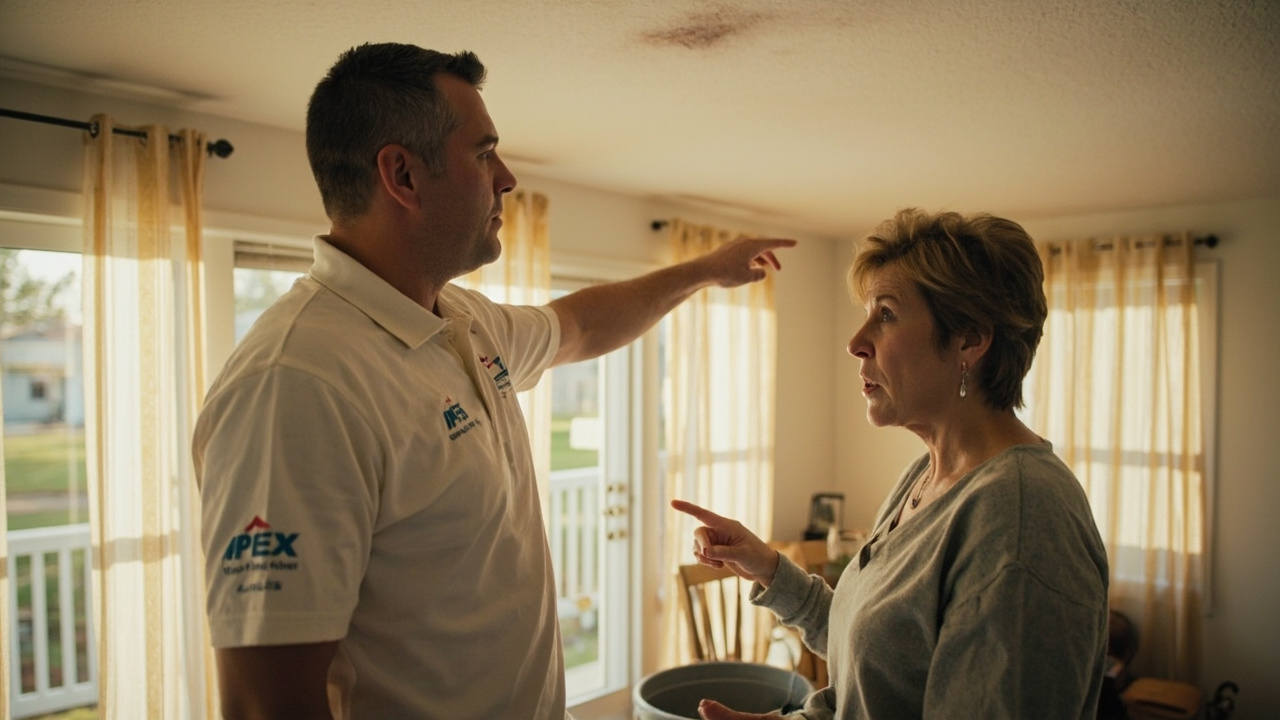
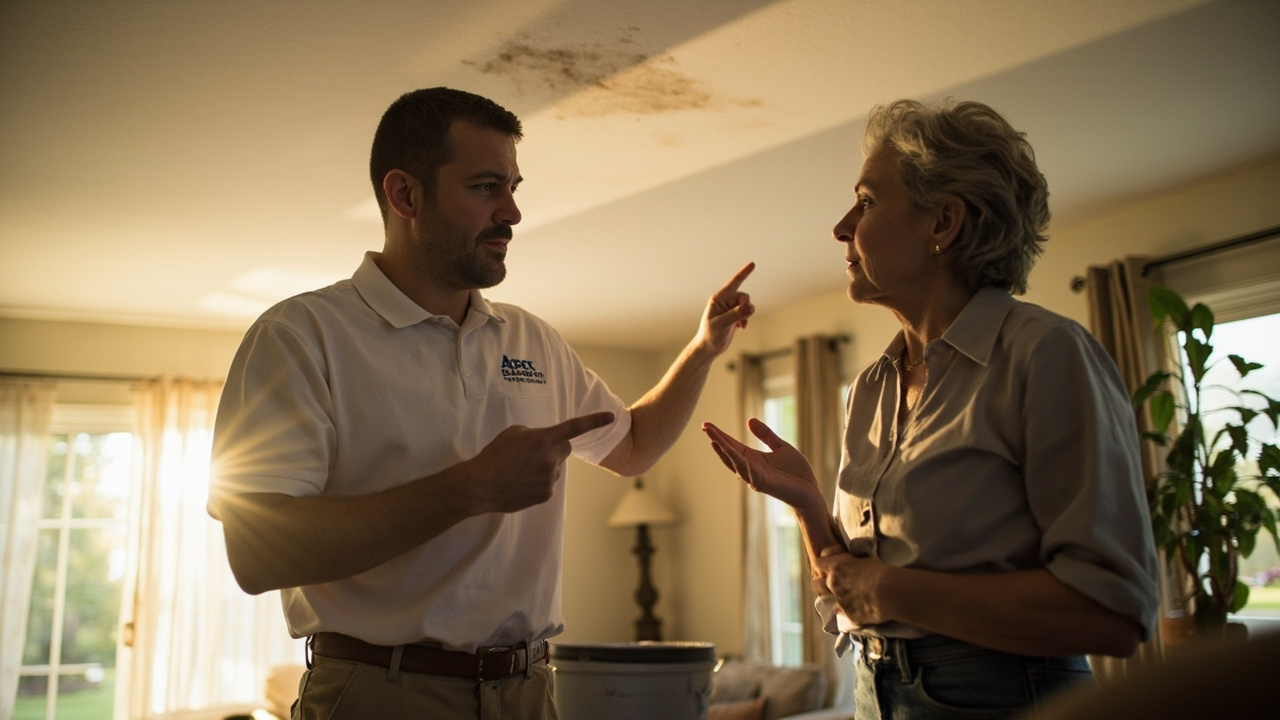
You find water dripping through your ceiling and assume your homeowners insurance will handle it. Then the adjuster walks through, asks a few questions about maintenance history, and suddenly you are facing a denial letter.

Most Denver homeowners do not realize that home insurance coverage for roof leaks depends entirely on what caused the damage. Insurance covers sudden, accidental events like hail impacts from those intense spring storms that roll off the Front Range or wind damage from Chinook gusts that can hit 80 mph. Your policy does not cover gradual wear, deferred maintenance, or age-related deterioration.

Denver's extreme temperature swings create a unique challenge. When temperatures drop from 60 degrees to 15 degrees overnight, roofing materials expand and contract. Over years, this cycle degrades flashing, loosens shingles, and creates entry points for moisture. If the adjuster determines your leak resulted from this gradual process rather than a specific storm event, they will deny the claim.

The altitude compounds the issue. At 5,280 feet, UV exposure is 25 percent more intense than at sea level. This accelerates shingle aging and makes it harder to prove that a leak came from a covered peril rather than normal deterioration.

Understanding whether homeowners insurance roof leak coverage applies to your situation requires knowing the difference between covered perils and maintenance issues. The answer determines whether you file a claim or pay out of pocket, and getting it wrong can raise your premiums for nothing.

Why Denver Homeowners Get Roof Leak Insurance Claims Denied
What Actually Qualifies for Roof Leak Water Damage Insurance

What Actually Qualifies for Roof Leak Water Damage Insurance

Insurance companies use a simple test when evaluating if a leaking roof is covered by homeowners insurance. They ask whether the damage was sudden and accidental or gradual and preventable.

Covered perils typically include hail damage that cracks shingles or dents metal flashing, wind that tears off roofing materials, falling tree limbs that puncture the roof deck, or ice dams that force water under shingles during sudden freeze events. If you can point to a specific date when the damage occurred and it relates to a weather event, you have a case for coverage.

What fails the coverage test is water intrusion from worn-out valleys, deteriorated pipe boots, cracked caulking around penetrations, or shingles that have reached the end of their service life. Insurance policies explicitly exclude damage resulting from lack of maintenance or normal wear.

The documentation process matters as much as the cause. You need photos showing the exterior damage, interior water staining, and any visible storm damage to surrounding properties. Adjusters look for consistency between the claimed cause and the actual damage pattern.

Denver-specific factors affect this evaluation. After a hailstorm sweeps through neighborhoods like Washington Park or Stapleton, adjusters see hundreds of claims. They know what legitimate hail damage looks like on the predominant architectural shingles used in this region. They can spot the difference between impact divots and granule loss from UV degradation.

The key is understanding that does home insurance cover leaking roofs is not a yes or no question. It depends on cause, documentation, policy language, and your maintenance history. Getting professional documentation before filing prevents denials and protects your claims history.

How to Handle a Roof Leak Insurance Situation

Does Insurance Cover Roof Leaks in Denver? – Get the Coverage Clarity You Need Before Filing a Claim
01

Document Everything Immediately

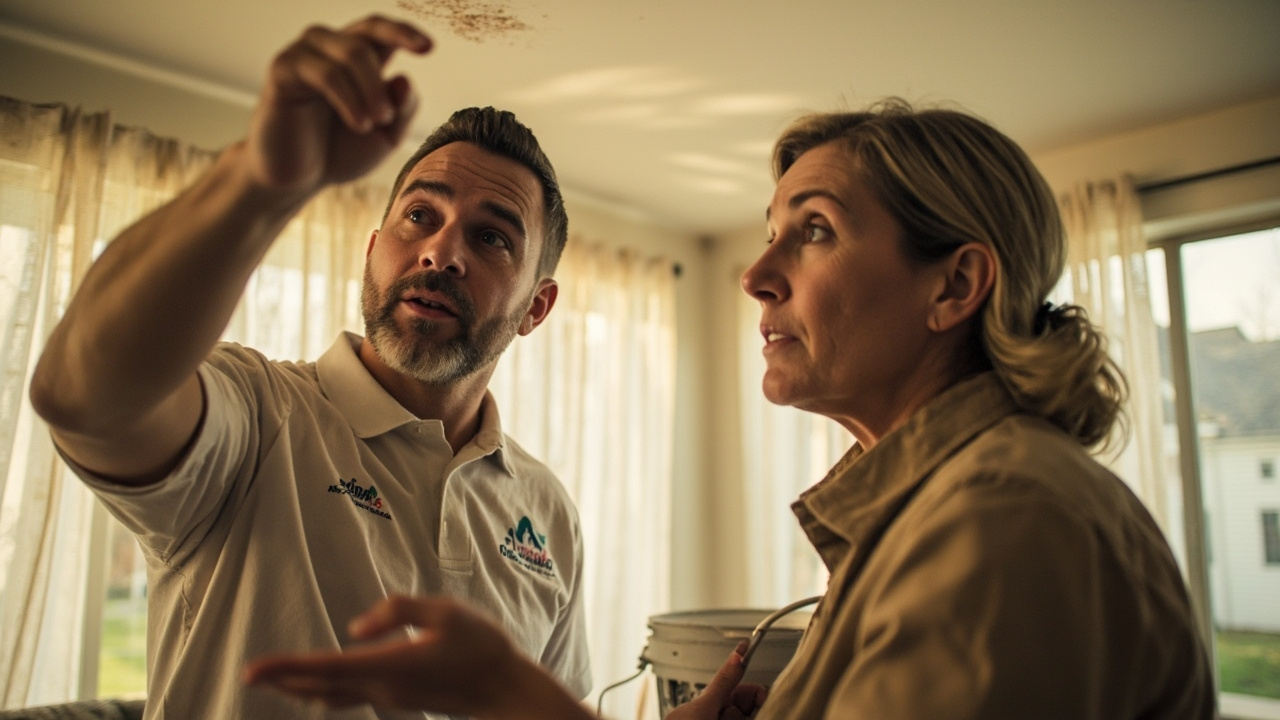
Take photos of interior water damage, exterior roof conditions, and any visible storm damage before anything dries out or gets moved. Capture images showing the water's entry point, the extent of ceiling or wall staining, and damaged personal property. This evidence establishes the damage scope before an adjuster arrives and creates a timeline that supports your claim narrative.
02

Get Professional Assessment

Have a roofing contractor inspect the damage and provide a written assessment identifying the cause and necessary repairs. This professional opinion carries weight with adjusters and helps you understand whether filing a claim makes sense. The contractor can identify storm damage patterns that you might miss and explain whether the damage qualifies as a covered peril or maintenance issue.
03

File Strategically

Only file a claim when the repair cost significantly exceeds your deductible and you have clear evidence of a covered peril. Every claim goes on your record and can affect future premiums, even if denied. If the damage stems from maintenance issues or the repair cost is close to your deductible, paying out of pocket protects your insurance history and prevents rate increases.

Why Denver Property Owners Trust Apex Roofing Denver for Insurance Claims

Insurance adjusters respect contractors who speak their language and document damage properly. We work with claims daily and understand exactly what evidence adjusters need to approve roof leak water damage insurance claims.

Our inspection reports include detailed photos, measurements, and technical descriptions that align with insurance requirements. We identify covered damage without overstating claims, which builds credibility with adjusters and speeds approval. When we say hail damaged your roof, we can show the impact patterns, measure divot depths, and explain how the damage compromised the roofing system's weatherproofing.

Denver's building codes and climate create specific considerations that affect both repairs and coverage. We know that proper ice and water shield installation is required at eaves and valleys in this climate zone. When adjusters see our repair estimates include code-compliant materials and methods, they understand we are addressing the damage correctly, not padding the claim.

Our experience with local insurance providers matters. We know which companies in the Denver market have reasonable claims processes and which fight every line item. This knowledge helps you navigate the process and understand what to expect from your specific carrier.

We also protect you from common mistakes that lead to denials. Many homeowners inadvertently admit to maintenance issues during adjuster interviews or fail to report damage within policy timeframes. We coach you through the process so you provide necessary information without undermining your claim.

The goal is not to maximize claim payouts through aggressive tactics. It is to ensure legitimate storm damage gets properly documented, fairly evaluated, and correctly repaired. That approach serves Denver homeowners better than contractors who promise to handle everything while actually creating problems that delay approvals or trigger investigations.

What to Expect When Navigating Roof Leak Insurance Coverage

Claims Timeline

Most insurance companies require damage reports within one year of the loss, but reporting within days of discovering the leak strengthens your claim. After you file, expect an adjuster visit within three to seven days. The adjuster inspection takes 30 to 60 minutes. You should receive a coverage decision within two weeks, though complex claims can take 30 days. If approved, payment typically arrives within 10 business days. During major storm events affecting multiple Denver neighborhoods, these timelines can extend as adjusters handle high claim volumes.

The Inspection Process

The adjuster will examine both interior water damage and exterior roof conditions. They look for evidence connecting interior damage to specific exterior causes. They check maintenance history, ask about previous repairs, and assess overall roof condition. Having a contractor present during this inspection ensures nothing gets missed and provides technical expertise to explain damage patterns. The adjuster documents everything with photos and measurements, creating a report that determines coverage. This is your opportunity to point out all related damage, because supplemental claims for missed items face higher scrutiny.

Coverage Outcomes

Full coverage means the insurance company pays for all necessary repairs minus your deductible. Partial coverage happens when some damage qualifies but other issues are deemed pre-existing or maintenance-related. Denials occur when damage is attributed to wear, neglect, or causes outside your policy coverage. If you disagree with the decision, you can request a reinspection, hire a public adjuster, or pursue appraisal. Understanding your policy's actual cash value versus replacement cost provisions matters, as depreciation can significantly reduce payouts on older roofs.

Post-Claim Considerations

After receiving payment, you typically have six months to one year to complete repairs, though policies vary. Some insurers require proof of completed work before releasing full payment. Depreciation holdbacks are common, where the insurer pays actual cash value upfront and releases replacement cost value after repairs finish. Your premium may increase at renewal regardless of claim outcome, though one claim usually has minimal impact. Multiple claims within three years can lead to non-renewal. Keep all documentation, receipts, and photos permanently, as they prove proper repairs if issues arise later.

Frequently Asked Questions

You Have Questions,
We Have Answers

How do I make a successful roof leak insurance claim? +

Document the damage immediately with photos and videos from multiple angles. Look for water stains, ceiling damage, and exterior roof issues. Contact your insurance company within 24 hours to file a claim. In Denver, winter freeze-thaw cycles and hailstorms cause sudden damage that insurers expect you to report quickly. Request a copy of your policy to understand your coverage limits. Get a professional roof inspection to identify all damage, including issues an adjuster might miss. Keep all receipts for emergency repairs like tarping. Provide detailed records and be present during the adjuster's visit to walk them through every problem area.

Is it worth claiming roof damage on insurance? +

It depends on the damage extent and your deductible. If repair costs exceed your deductible by a significant margin, filing makes sense. Denver homes face hail damage, wind uplift, and ice dam issues that can worsen quickly. Minor leaks under your deductible are better paid out of pocket to avoid premium increases. Consider your claims history too. Multiple claims in a short period can lead to non-renewal. If the leak stems from sudden storm damage rather than neglect, your claim has better approval odds. Weigh the immediate repair cost against potential long-term premium hikes before deciding.

Who pays for roof repairs? +

The responsible party depends on the damage cause. If sudden weather events like Denver's severe hailstorms or windstorms caused the leak, your homeowners insurance typically covers repairs after you pay your deductible. If the leak results from poor maintenance or gradual wear, you pay out of pocket. For rental properties, landlords handle roof repairs unless tenant negligence caused the damage. In new construction, builder warranties may cover defects for a limited period. If a contractor's faulty workmanship caused the leak, their liability insurance should pay. Document everything to establish the damage source and determine financial responsibility.

What type of roof damage is covered by insurance? +

Insurance covers sudden, accidental damage from covered perils. In Denver, this includes hail impact, wind damage from severe storms, fallen tree limbs, and fire. Policies typically cover shingle blow-off, punctures from debris, and structural damage from heavy snow loads. Ice dam damage may be covered if it results from a sudden event rather than poor ventilation. Missing or damaged flashing from wind qualifies. However, damage from deferred maintenance, gradual deterioration, or improper installation is excluded. If your roof was already worn and a storm finished it off, expect disputes. Read your policy's exclusions carefully.

Will insurance pay for a new roof if it's leaking? +

Only if the leak results from a covered peril and the damage is extensive enough to warrant full replacement. Insurance pays for repairs first. If a Denver hailstorm damaged 40 percent or more of your roof, replacement becomes necessary and covered. Age matters too. If your roof is near the end of its lifespan and a storm causes significant damage, insurers may depreciate the payout based on remaining useful life. They will not replace a roof that is simply old and leaking from wear. You need documented storm damage and a professional assessment showing replacement is the only viable solution.

What's the average cost to repair a roof leak? +

Roof leak repairs in Denver typically range from 400 to 1,500 dollars for minor fixes like flashing replacement or a few damaged shingles. Larger repairs involving decking replacement or extensive water damage can climb significantly higher. Costs vary based on roof pitch, material type, and accessibility. Denver's freeze-thaw cycles often cause hidden damage beneath the surface, increasing repair scope once contractors start work. Emergency repairs during winter storms cost more due to challenging conditions. Get multiple estimates from licensed roofers. Insurance may cover part or all of the cost if the damage stems from a covered event.

Can insurance deny a roof claim? +

Yes. Common denial reasons include damage from poor maintenance, wear and tear, or pre-existing conditions. If the adjuster determines your Denver roof was already deteriorated before the hailstorm, they will deny the claim. Missing documentation or delayed reporting also trigger denials. Filing for damage outside your policy's covered perils results in rejection. If you lack proof the damage occurred during the policy period, expect denial. Some insurers deny first claims hoping you will not appeal. Review the denial letter carefully. You can dispute with additional documentation, independent inspections, or public adjuster assistance if the denial seems unfair.

When not to file a homeowners insurance claim? +

Skip filing if repair costs barely exceed your deductible or fall below it. Avoid claims for maintenance issues like worn shingles or gradual leaks. If you recently filed another claim, adding a second increases your risk profile and potential non-renewal. In Denver, do not file for minor wind damage you can afford to fix yourself. Small claims create a record without significant financial benefit. If the leak source is unclear and might be deemed pre-existing or maintenance-related, paying out of pocket avoids a denial on your record. Save claims for significant, clearly documented storm damage where the payout justifies potential premium increases.

What not to say to a roof insurance adjuster? +

Never minimize the damage or speculate about causes. Do not say the roof was already old or that you have been meaning to fix something. Avoid admitting to deferred maintenance or stating you are unsure when damage occurred. Do not agree with lowball estimates or sign anything on the spot. In Denver, do not dismiss hail damage as minor without a professional inspection, as internal damage is often worse than surface dents. Avoid exaggerating, but also do not downplay legitimate issues. Stick to facts. Let your documentation and contractor assessments speak. Answer questions directly without offering extra information that could hurt your claim.

Do I have to fix my roof with insurance money? +

Technically, yes, but it is risky. Insurance pays you as the loss payee, and if you have a mortgage, the check often includes your lender's name. You must get their approval to use funds elsewhere. Failing to repair your roof violates your policy's requirement to maintain the property and prevent further damage. If another leak occurs and you did not fix the first one, the insurer will deny the new claim and potentially cancel your policy. In Denver's harsh climate, delaying repairs worsens damage quickly. Insurers can inspect later and demand proof repairs were completed as claimed.

How Denver's Hail Patterns Affect Insurance Coverage for Roof Leaks

Denver sits in Colorado's hail alley, where warm air from the plains collides with cold air descending from the Rockies. This creates the severe updrafts that produce damaging hail from April through August. Properties along the Front Range urban corridor from Boulder to Castle Rock see significant hail events every two to three years. This frequency means insurance companies scrutinize Denver roof leak claims carefully, looking for patterns that distinguish fresh hail damage from cumulative wear. Adjusters in this market know what one-inch hail does to 20-year-old architectural shingles versus five-year-old impact-resistant products. They understand that legitimate claims show consistent damage patterns across the roof plane, not isolated leaks at typical failure points like valleys and penetrations.

Apex Roofing Denver has navigated hundreds of insurance claims across metro neighborhoods from Highlands to Cherry Creek. We understand how local adjusters evaluate damage and what documentation they require. Our familiarity with Denver building codes, common roofing materials used in different decades of construction, and typical failure patterns in this climate gives us credibility with insurance companies. When we identify covered storm damage, adjusters trust our assessment because we have proven accuracy over years of claims. That trust translates to smoother approvals and fair settlements for property owners who need legitimate repairs completed correctly.

Roofing Services in The Denver Area

Looking for trusted roofing services near you? Apex Roofing Denver proudly serves homeowners and businesses across the greater Denver area with expert roof repairs, replacements, inspections, and storm damage restoration. From Aurora to Lakewood and Thornton to Centennial, our experienced roofing team is ready to deliver fast, dependable solutions. Use the map below to explore our service areas and find top-rated roofing help near your neighborhood.

Address:
Apex Roofing Denver, 2301 Blake St, Denver, CO, 80205

Additional Services We Offer

Our news updates

Latest Articles & News from The Blogs

Lorem ipsum dolor sit amet. Aut expedita quaerat quo eligendi numquam et laudantium perspiciatis qui minima expedita rem consequatur ducimus.…

Test Blog 4

Lorem ipsum dolor sit amet. Aut expedita quaerat quo eligendi numquam et laudantium perspiciatis qui minima expedita rem consequatur ducimus.…

Test Blog 3

Lorem ipsum dolor sit amet. Aut expedita quaerat quo eligendi numquam et laudantium perspiciatis qui minima expedita rem consequatur ducimus.…

Test Blog 2

Lorem ipsum dolor sit amet. Aut expedita quaerat quo eligendi numquam et laudantium perspiciatis qui minima expedita rem consequatur ducimus.…

Contact Us

Do not file a claim without understanding your coverage. Call Apex Roofing Denver at (720) 484-8300 for a professional damage assessment. We will inspect your roof, identify the cause, and help you determine the best path forward.