
Dealing with Moss and Algae Growth on the Shaded Side of Your Park Hill Roof
Living in Park Hill means enjoying mature trees and shaded yards. But that same shade can create the perfect conditions for moss and algae to thrive on your roof. Many Denver homeowners notice green or black streaks on the north-facing side of their homes and wonder if it is a serious problem. This guide explains why moss appears in Denver’s dry climate how it damages asphalt shingles and what steps you can take to protect your roof.
Why Moss Grows on Denver Roofs Despite the Dry Climate
Denver averages over 300 days of sunshine each year yet moss still finds a way to grow. The key factor is moisture retention. North-facing slopes stay shaded for most of the day which keeps them damp longer after rain or snow. Overhanging tree branches from mature oaks and elms common in Park Hill trap debris and block sunlight. This creates a micro-climate that holds moisture against the shingles. Even in a semi-arid environment the combination of shade organic debris and occasional moisture allows moss spores to take hold.
Algae such as Gloeocapsa magma also thrives in these conditions. It appears as dark streaks and feeds on the limestone filler in asphalt shingles. While algae does not lift shingles like moss it can still trap moisture and accelerate granule loss.
The Hidden Dangers How Moss Damages Asphalt Shingles
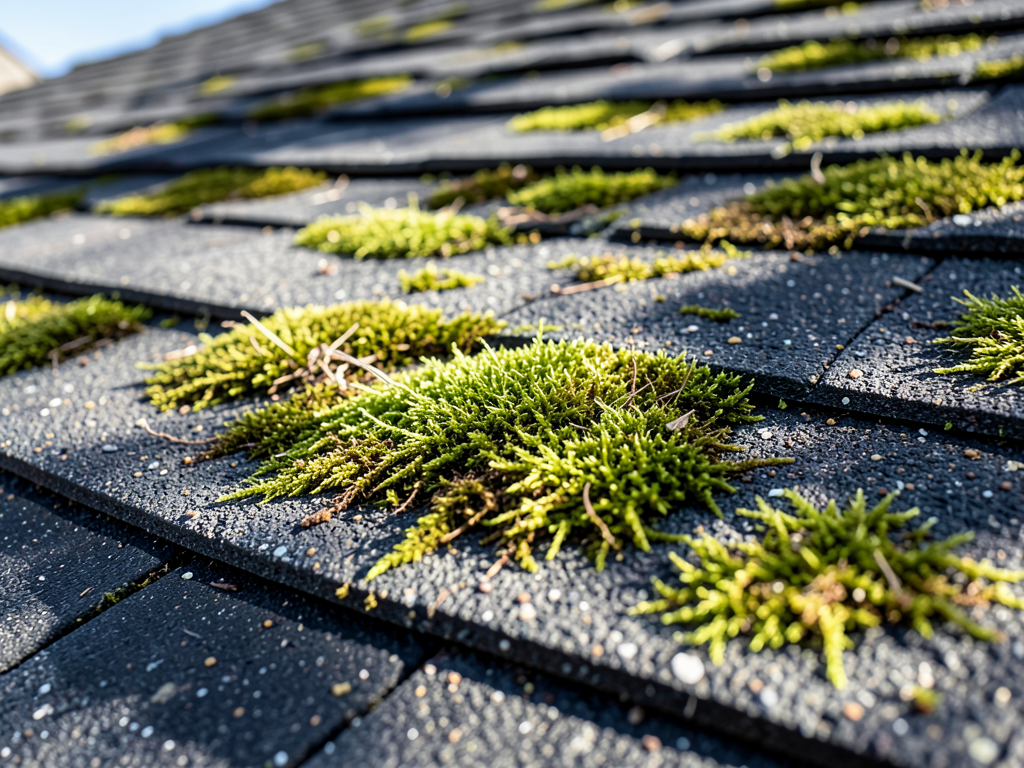
Moss acts like a sponge holding water against your roof long after rain or snow has melted. This constant moisture exposure weakens the shingle structure. Over time the organic material can lift shingle edges creating gaps where water can seep underneath. In Denver’s freeze-thaw cycles this trapped water expands and contracts which can crack or warp shingles. Moss also accelerates granule loss which shortens the lifespan of your roof. Granules protect shingles from UV rays and without them the asphalt deteriorates faster. Left untreated moss growth can lead to leaks wood rot and costly repairs. EPA guidelines on biodegradable cleaning agents.
Moss vs Algae Identifying the Growth on Your Denver Home
Many homeowners confuse moss and algae but they require different treatment approaches. Moss is a green fuzzy plant that grows in thick patches. It feels soft to the touch and often has a raised texture. Algae appears as flat dark streaks or stains. It does not have a raised texture and is usually black or dark green. Lichen is another common growth that looks like a flat crusty patch with a rough surface. Identifying the type of growth helps determine the safest removal method for your shingles.. Read more about The Real Dangers of Trying to Patch Your Own Roof Without Professional Gear.
Here is a quick comparison:
| Growth Type | Appearance | Texture | Risk Level |
|---|---|---|---|
| Moss | Green fuzzy patches | Soft raised | High |
| Algae | Dark streaks | Flat smooth | Medium |
| Lichen | Flat crusty patches | Rough | Medium |
Professional Moss Removal vs DIY Safety and Shingle Integrity
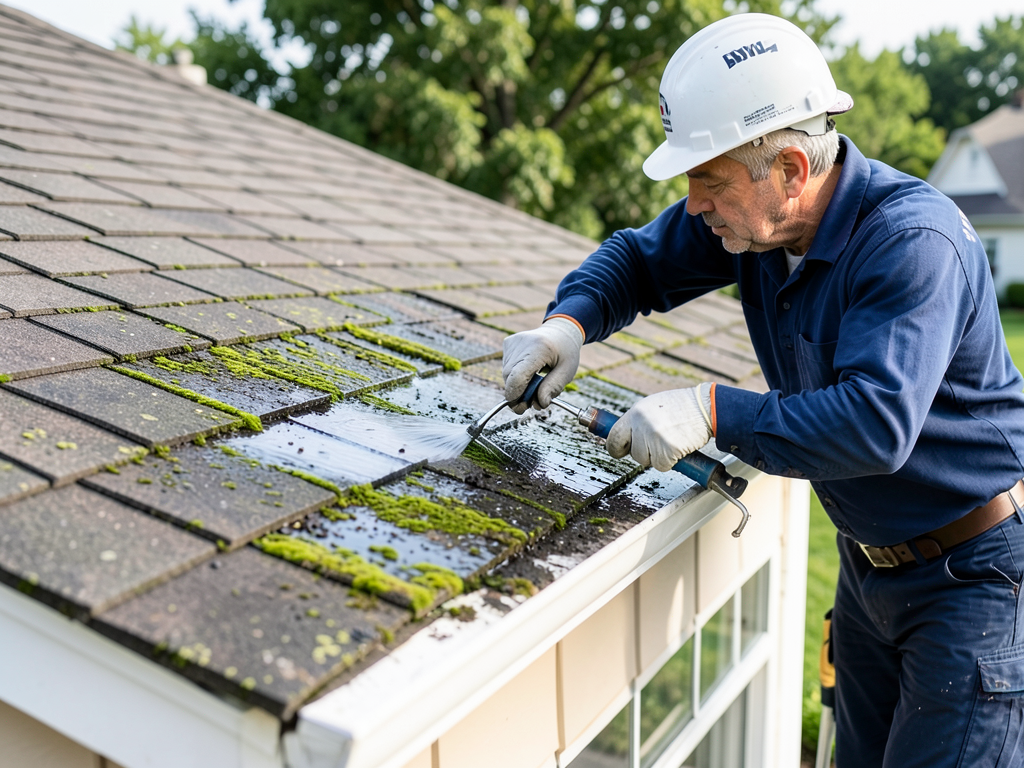
Removing moss yourself might seem like a quick fix but it can cause more harm than good. High-pressure washing is a common mistake. It strips granules from shingles and can force water under the roofing material. Scrubbing with a stiff brush also damages the protective surface. Professional roofers use low-pressure chemical treatments that kill moss without harming shingles. Sodium percarbonate is a common biodegradable option that breaks down moss at the root. After treatment dead moss must be gently removed to avoid lifting shingles. Roofing Sheridan.
Safety is another major concern. Walking on a moss-covered roof increases the risk of slipping especially on sloped surfaces. Professionals use proper fall protection and have the experience to work safely on steep pitches. In Park Hill many homes have two-story designs with high peaks that make DIY removal dangerous.
Prevention Strategies for Colorado Homeowners Zinc Strips and Tree Trimming
Preventing moss growth is more effective than removing it after it appears. Zinc or copper strips installed near the roof ridge release metal ions when it rains. These ions flow down the roof and create a surface that moss and algae cannot grow on. This method works best on clean shingles so it is often applied after a professional cleaning. The strips can last for several years before needing replacement. How Much a Full Roof Replacement Actually Costs in Denver Right Now.
Landscaping also plays a role. Trimming tree branches that hang over the roof reduces shade and debris buildup. In Park Hill this might mean pruning mature elms or oaks that have grown over decades. Removing organic debris like leaves and pine needles with a leaf blower or soft brush prevents moisture from being trapped on the surface.
Improving attic ventilation can also help. Proper airflow keeps the roof deck dry and reduces the temperature difference between the sunny and shaded sides. This makes the environment less hospitable to moss growth.
When to Call a Denver Roofing Expert
If moss covers more than ten percent of your roof or if you notice lifted shingles it is time to call a professional. A qualified roofer can assess whether the growth has caused structural damage. In Denver’s climate early intervention prevents costly repairs. Look for a contractor with experience in local roofing systems and knowledge of Colorado’s freeze-thaw cycles. Roofing Englewood.
Ask about their cleaning methods. A reputable company will avoid high-pressure washing and use shingle-safe chemicals. They should also offer a prevention plan such as zinc strip installation or annual maintenance. In Park Hill where many homes have historic or specialty roofing it is important to choose a contractor familiar with these materials.
Local Climate Factors That Contribute to Roof Moss in Park Hill
Park Hill’s mature tree canopy creates pockets of shade that differ from newer Denver suburbs. The neighborhood’s elevation and proximity to the city center also affects local weather patterns. Afternoon thunderstorms in summer can leave shaded roofs damp for hours. In winter snow lingers longer on north-facing slopes which provides moisture for moss to grow even in cold months.
Denver’s rapid temperature swings between day and night can stress shingles already weakened by moss. This makes prevention even more important in older neighborhoods where roofs may already be nearing the end of their lifespan.
Comparing Moss Treatment Options
| Treatment Method | Cost Range | Effectiveness | Shingle Safety |
|---|---|---|---|
| Low-pressure chemical | Moderate | High | Safe |
| Zinc/copper strips | Low | High (preventive) | Safe |
| Manual scraping | Low | Low | Unsafe |
| High-pressure wash | Low | Low | Damaging |
Steps to Take Right Now If You See Moss on Your Roof
- Avoid walking on the roof to prevent shingle damage and personal injury.
- Check your gutters for debris that may be contributing to moisture retention.
- Schedule a professional inspection to assess the extent of growth and any damage.
- Ask about safe removal methods and prevention options.
- Consider trimming overhanging branches to reduce shade and debris.
Frequently Asked Questions
Is moss on my roof a sign of a bigger problem?
Moss itself is not always a sign of structural damage but it can lead to problems if left untreated. It holds moisture against shingles which can cause leaks and shorten roof life. Fixing Flat Roof Leaks in LoHi and Modern Denver Homes.
Can I use bleach to kill moss on my roof?
Household bleach can kill moss but it is harsh on shingles and surrounding plants. Professional treatments use safer alternatives that are effective and biodegradable.
How often should I have my roof inspected for moss?
An annual inspection is recommended especially for shaded homes in older neighborhoods like Park Hill. Early detection makes treatment easier and less expensive.
Will moss grow back after removal?
Yes moss can return if the conditions that allowed it to grow are not changed. Prevention methods like zinc strips and tree trimming help reduce regrowth.
Protect Your Park Hill Home with Expert Roof Care
Moss and algae growth on your roof is more than a cosmetic issue. In Denver’s unique climate it can lead to serious damage if ignored. Whether you need safe removal prevention strategies or a full inspection Apex Roofing Denver has the local experience to protect your home. Call us today at (720) 484-8300 to schedule your roof assessment and keep your Park Hill home safe for years to come.
Don’t let moss compromise your roof’s integrity. Contact Apex Roofing Denver now and take the first step toward a healthier longer-lasting roof. For more information, visit FEMA recommendations for roof maintenance.
You may also find this helpful. Why Your Steeper Roof in Congress Park Requires Special Safety Equipment and Expertise.
{
“@context”: “https://schema.org”,
“@type”: “BlogPosting”,
“headline”: “Dealing with Moss and Algae Growth on the Shaded Side of Your Park Hill Roof”,
“description”: “Is moss taking over your Park Hill roof? Learn why it grows in Denver’s climate, how it damages shingles, and when to call a local expert for safe removal.”,
“wordCount”: 1388,
“datePublished”: “2026-05-07T04:22:00.000Z”,
“dateModified”: “2026-05-07T04:22:00.000Z”,
“inLanguage”: “en-US”,
“mainEntityOfPage”: {
“@type”: “WebPage”,
“@id”: “https://apexroofingdenver.com”
},
“publisher”: {
“@type”: “LocalBusiness”,
“name”: “Apex Roofing Denver”,
“url”: “https://apexroofingdenver.com”
},
“author”: {
“@type”: “Organization”,
“name”: “Apex Roofing Denver”,
“url”: “https://apexroofingdenver.com”
},
“image”: {
“@type”: “ImageObject”,
“url”: “https://apexroofingdenver.com/wp-content/uploads/2026/03/dealing-with-moss-and-algae-growth-on-the-shaded-s-1.png”
}
}
{
“@context”: “https://schema.org”,
“@type”: “RoofingContractor”,
“name”: “Apex Roofing Denver”,
“url”: “https://apexroofingdenver.com”,
“address”: {
“@type”: “PostalAddress”,
“addressLocality”: “Denver”
},
“areaServed”: {
“@type”: “City”,
“name”: “Denver”
}
}
{
“@context”: “https://schema.org”,
“@type”: “FAQPage”,
“mainEntity”: [
{
“@type”: “Question”,
“name”: “Is moss on my roof a sign of a bigger problem?”,
“acceptedAnswer”: {
“@type”: “Answer”,
“text”: “Moss itself is not always a sign of structural damage but it can lead to problems if left untreated. It holds moisture against shingles which can cause leaks and shorten roof life. Fixing Flat Roof Leaks in LoHi and Modern Denver Homes.”
}
},
{
“@type”: “Question”,
“name”: “Can I use bleach to kill moss on my roof?”,
“acceptedAnswer”: {
“@type”: “Answer”,
“text”: “Household bleach can kill moss but it is harsh on shingles and surrounding plants. Professional treatments use safer alternatives that are effective and biodegradable.”
}
},
{
“@type”: “Question”,
“name”: “How often should I have my roof inspected for moss?”,
“acceptedAnswer”: {
“@type”: “Answer”,
“text”: “An annual inspection is recommended especially for shaded homes in older neighborhoods like Park Hill. Early detection makes treatment easier and less expensive.”
}
},
{
“@type”: “Question”,
“name”: “Will moss grow back after removal?”,
“acceptedAnswer”: {
“@type”: “Answer”,
“text”: “Yes moss can return if the conditions that allowed it to grow are not changed. Prevention methods like zinc strips and tree trimming help reduce regrowth.”
}
}
]
}
{
“@context”: “https://schema.org”,
“@type”: “BreadcrumbList”,
“itemListElement”: [
{
“@type”: “ListItem”,
“position”: 1,
“name”: “Home”,
“item”: “https://apexroofingdenver.com”
},
{
“@type”: “ListItem”,
“position”: 2,
“name”: “Blog”,
“item”: “https://apexroofingdenver.com/blog”
},
{
“@type”: “ListItem”,
“position”: 3,
“name”: “Dealing with Moss and Algae Growth on the Shaded Side of Your Park Hill Roof”
}
]
}
{
“@context”: “https://schema.org”,
“@type”: “Service”,
“serviceType”: “Roofing”,
“provider”: {
“@type”: “LocalBusiness”,
“name”: “Apex Roofing Denver”,
“url”: “https://apexroofingdenver.com”
},
“areaServed”: {
“@type”: “City”,
“name”: “Denver”
},
“description”: “Is moss taking over your Park Hill roof? Learn why it grows in Denver’s climate, how it damages shingles, and when to call a local expert for safe removal.”
}