





Menu

Curling & Buckling Shingles in Denver – Expert Diagnosis Stops Leaks Before They Start

Denver homeowners face unique roofing challenges from extreme temperature swings and intense UV exposure. When you spot curling or buckling shingles, you need accurate diagnosis and proper repair to prevent water intrusion and structural damage.

Slider Image 1
Slider Image 2
Slider Image 3
Slider Image 4
Slider Image 5
Slider Image 7
Slider Image 8
Slider Image 9
Slider Image 10
Slider Image 11

Why Denver Roofs Develop Warped Asphalt Shingles

You walk outside and notice something wrong with your roof. The shingles look wavy, edges are lifting, or the entire surface appears distorted. This is not normal wear, and it will not fix itself.

Denver's climate creates the perfect storm for shingle distortion. Temperature swings from 20 degrees at night to 70 degrees during the day cause asphalt shingles to expand and contract repeatedly. Add 300 days of intense UV radiation at 5,280 feet elevation, and your shingles age faster than roofs at lower elevations. The thin air provides less atmospheric protection from solar damage, accelerating the breakdown of asphalt binders.

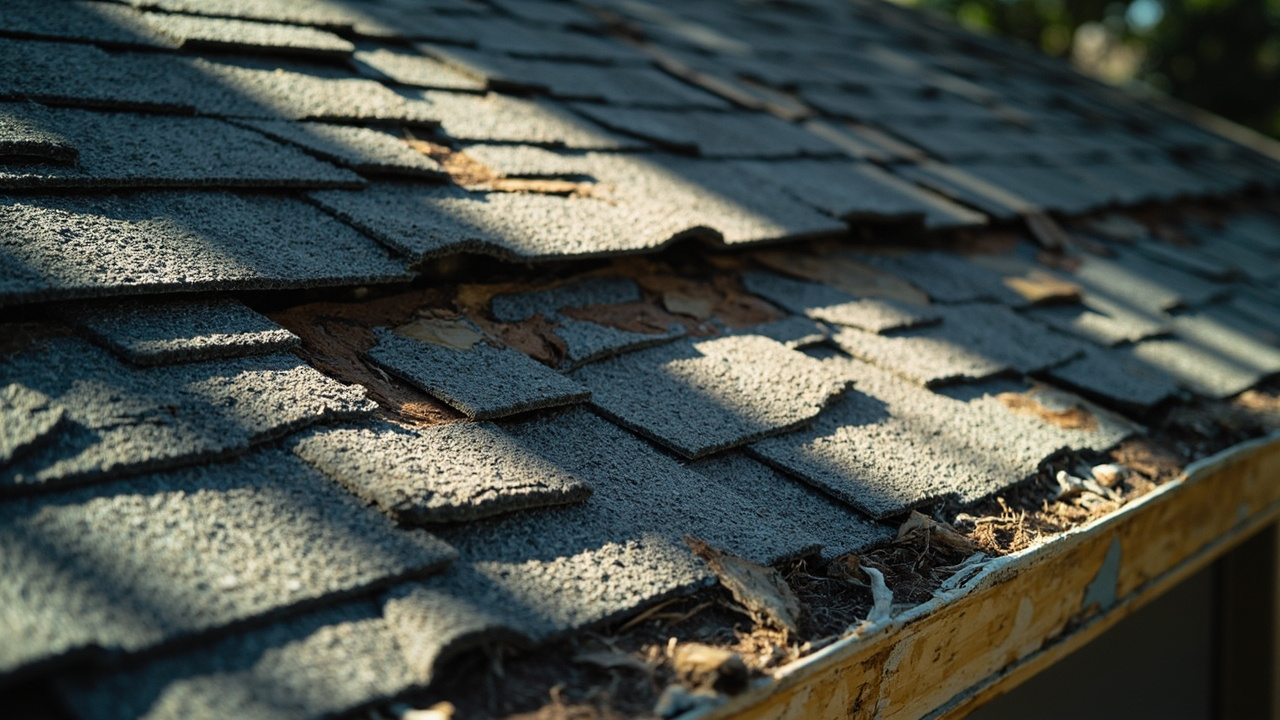
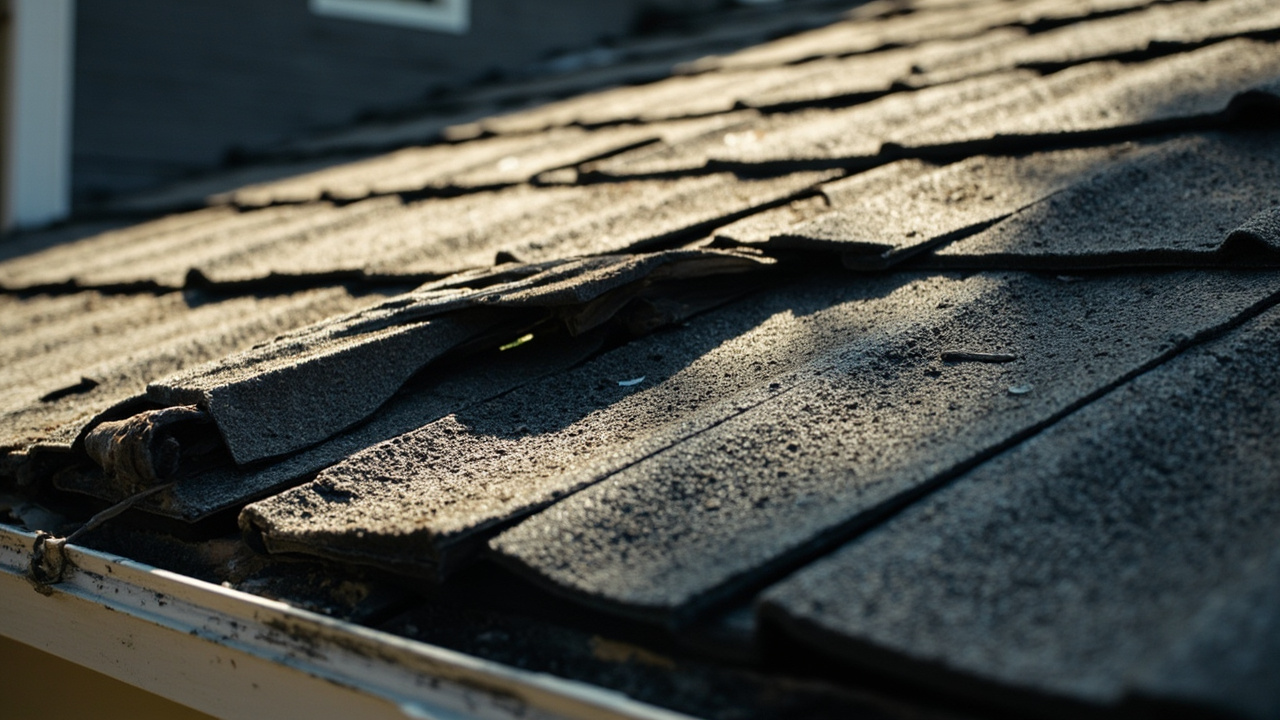
Cupping shingles occur when the center of each shingle stays flat while the edges curl upward, creating a concave shape. Clawing shingles do the opposite. The center humps up while edges stay down. Both conditions expose your roof deck to wind-driven rain and snowmelt.

Wavy shingles often indicate a deeper problem. Poor attic ventilation traps heat and moisture, cooking your roof from below while the sun attacks from above. Moisture from inadequate ventilation can warp the roof decking itself, creating ripples that telegraph through the shingles.

The problem accelerates once it starts. Curled edges catch wind like sails. A 40 mph gust along the Front Range can rip compromised shingles clean off your roof. Now you have exposed decking and an emergency leak situation during the next storm.

Time matters. What starts as a cosmetic issue becomes a structural problem when water reaches your attic insulation and framing.

Why Denver Roofs Develop Warped Asphalt Shingles
How We Diagnose and Repair Shingle Buckling

How We Diagnose and Repair Shingle Buckling

We do not guess. Most homeowners assume buckling shingles just need replacement, but treating the symptom without fixing the cause wastes money and time.

Our assessment starts in your attic, not on your roof. We measure attic temperature and check for moisture accumulation. Proper attic ventilation should maintain temperatures within 10 degrees of outside air. If your attic is 130 degrees on a 90 degree day, you have inadequate ventilation. We calculate your net free ventilation area and compare it to current building codes, which require 1 square foot of ventilation per 150 square feet of attic space.

We inspect soffit vents for blockage from insulation. We check ridge vents for proper installation. We verify that baffles maintain airflow channels between rafters. Poor ventilation causes premature shingle failure more often than defective materials.

On the roof surface, we examine the pattern of distortion. Isolated buckling in one area suggests localized decking damage or a concentrated moisture source below. Widespread cupping across entire roof planes indicates ventilation failure or shingles past their service life.

We check fastener placement. Overdriven nails crush the shingle mat and create stress points where buckling starts. High-nailed shingles lack proper wind resistance and work loose. We look for evidence of multiple roof layers. Shingles installed over old shingles trap heat and fail faster.

We pull representative shingles to inspect the decking. Soft spots indicate rot. Dark staining shows long-term moisture exposure. We measure decking thickness to verify it meets code.

The repair strategy depends on what we find. Sometimes targeted repairs work. Often, full replacement with ventilation upgrades is the only permanent solution.

What Happens During Your Roof Evaluation

Curling & Buckling Shingles in Denver – Expert Diagnosis Stops Leaks Before They Start
01

Comprehensive Attic Inspection

We start inside your home before climbing onto the roof. Our team enters your attic space to check ventilation pathways, measure temperature differentials, and look for moisture staining on the underside of roof decking. We photograph blocked soffit vents, inadequate baffles, or insulation that has buried ventilation channels. This interior inspection reveals the root cause of shingle distortion in most cases.
02

Roof Surface Assessment

We document the type and extent of shingle distortion across all roof planes. Our inspectors check fastener patterns, look for lifted shingles around penetrations, and identify areas where granule loss has accelerated. We take core samples of the decking in problem areas to check for delamination or rot. Thermal imaging cameras detect moisture trapped in the roof assembly that visual inspection misses.
03

Solution and Cost Planning

You receive a detailed report with photos showing exactly what we found. We explain which problems require immediate attention and which issues can wait. Your estimate breaks down material and labor costs for each component of the repair. We outline ventilation upgrades needed to prevent recurrence. You get a clear timeline and know exactly what to expect before any work begins.

Why Denver Homeowners Choose Apex Roofing Denver

Generic roof repair advice does not work at 5,280 feet. Denver's combination of intense solar radiation, dramatic temperature swings, and low humidity creates unique challenges that require specific solutions.

We install roofing systems in Denver every day. We know which shingle manufacturers offer products rated for high-altitude UV exposure. We understand that cool-season installation requires different techniques than summer work because sealant strips do not activate properly below 40 degrees. We know Denver's building code requirements for ice and water shield placement along eaves, even though we get less snow than mountain communities.

The Front Range wind patterns matter. Prevailing west winds hit certain roof planes harder than others. We adjust fastener schedules and starter strip installation to account for wind uplift zones specific to your home's orientation and roof geometry.

Local building inspectors know our work. We maintain relationships with city and county inspection departments across the metro area. Our crews understand the permit process for different municipalities. Adams County has different requirements than Jefferson County. Denver proper has its own rules. We handle the paperwork and schedule inspections so you do not have to figure out bureaucratic procedures.

We carry current licenses and proper insurance coverage. Roofing work is dangerous. Fall protection equipment costs money. Liability insurance for roof work is expensive. Some contractors skip these expenses and pass the savings to you as a lower bid. You assume the liability when an uninsured worker gets hurt on your property.

Our crews show up when scheduled. We protect your landscaping with plywood walkways and tarps. We use magnetized rollers to collect loose nails from your lawn and driveway. We leave your property cleaner than we found it.

What to Expect When You Call Apex Roofing Denver

Fast Scheduling and Response

We schedule most inspections within three business days of your call. Emergency situations get priority response. Our inspectors arrive during the scheduled window, not "sometime between 8 and 5." The inspection takes 45 minutes to an hour, depending on roof size and complexity. You receive a written report within 24 hours. If your roof is actively leaking, we can perform emergency tarping the same day to prevent further damage while you consider repair options.

Thorough Inspection Process

Our inspection covers every component of your roofing system, not just the shingles. We check flashing around chimneys, skylights, and plumbing vents. We examine valleys where two roof planes meet, a common failure point. We inspect drip edge and fascia boards. We verify that your gutters drain properly and do not dump water against your foundation. The inspection includes detailed photos that show exactly what we found. You see the same evidence we use to make recommendations.

Quality Materials and Installation

We install shingles according to manufacturer specifications and Denver building code requirements. Proper installation includes adequate ventilation, ice and water shield in vulnerable areas, and correct fastener placement. We use six nails per shingle in high-wind zones instead of the minimum four. We install ridge vents with external baffles that maintain airflow even during wind-driven rain. Your new roof will handle Front Range weather conditions because we build it right the first time.

Protection After Installation

Your roof installation includes workmanship protection that covers installation errors. Manufacturer material coverage varies by product selection. We explain exactly what is covered and what is not before you sign anything. We offer annual maintenance inspections that catch small problems before they become expensive repairs. Our maintenance program includes flashing checks, sealant inspection around penetrations, and gutter cleaning. Regular maintenance extends roof life and keeps coverage valid.

Frequently Asked Questions

You Have Questions,
We Have Answers

Is it normal for roof shingles to buckle? +

No. Buckling shingles signal a problem. They indicate issues with installation, ventilation, or moisture trapped in the roof deck. In Denver, temperature swings and freeze-thaw cycles can accelerate buckling if the roof deck was not properly dried during installation or if attic ventilation is inadequate. Shingles should lay flat. When they buckle, water can infiltrate faster, and wind can catch the edges during storms. If you see waves or raised sections across your roof surface, you need an inspection. Buckling reduces your roof's lifespan and compromises protection.

How to fix curled up shingles? +

Curled shingles often cannot be flattened permanently. Minor curling on younger roofs may be resealed with roofing cement, but this is a temporary fix. If the curling is widespread or the shingles are brittle, replacement is the only real solution. Denver's high UV exposure and temperature extremes dry out asphalt shingles over time, causing the edges to lift. Attempting DIY repairs can crack shingles further. A professional roofer will assess whether spot repairs buy you time or if the roof deck has suffered water damage that requires a full replacement.

How to fix buckling shingles? +

Fixing buckling shingles requires identifying the root cause. If moisture is trapped in the roof deck, removing and replacing affected shingles will not work. The deck must dry out, and ventilation must be corrected. In many cases, sections of decking need replacement. If the buckling is due to improper nailing or expansion issues, a roofer will remove the buckled shingles, re-secure the deck, and install new shingles. Denver's climate demands proper ventilation to prevent heat and moisture buildup. Do not ignore buckling. It worsens quickly.

What causes shingles to curl? +

Shingles curl when moisture infiltrates the underside or when they lose granules and dry out from UV exposure. Poor attic ventilation traps heat and moisture, causing the shingle mat to warp. In Denver, intense sun and rapid temperature drops accelerate this process. Old age is a common factor. Shingles nearing the end of their lifespan lose flexibility and curl at the edges. Defective shingles or improper installation can also trigger early curling. If curling appears on a roof under 10 years old, a manufacturing defect or poor ventilation is likely.

How to tell if a roofer is lying? +

Ask specific questions and verify answers. A dishonest roofer will push for a full replacement when repairs are viable, refuse to provide proof of insurance, or pressure you to sign quickly. Ask to see their license, insurance certificate, and recent references in Denver neighborhoods. Request a detailed written estimate that breaks down materials and labor. Be wary of roofers who show up unannounced after a storm or demand large upfront payments. Check reviews and verify their business address. A legitimate roofer will walk you through the damage and explain options without rushing you.

Do curling shingles need to be replaced? +

Yes, in most cases. Curled shingles expose the roof deck to water infiltration, which leads to leaks, mold, and structural damage. If curling is isolated to a small area and the roof is otherwise sound, spot replacement may work. However, if curling is widespread, the entire roof has likely reached the end of its service life. Denver's climate stresses roofing materials. Once curling starts, it spreads. Replacing curled shingles restores protection and prevents costly interior damage. Ignoring curled shingles will result in bigger repair bills.

Will insurance pay for lifted shingles? +

Sometimes. Insurance coverage depends on the cause. If shingles lifted due to wind damage from a recent storm, most policies cover repairs. However, if lifting resulted from aging, poor maintenance, or gradual wear, insurance will not pay. In Denver, high winds during spring storms can tear shingles loose, and insurers typically cover wind-related damage. Document the damage with photos and file a claim quickly. An adjuster will inspect the roof. If the claim is denied due to maintenance neglect, you will pay out of pocket.

What does a buckled shingle look like? +

A buckled shingle creates a raised, wavy appearance across the roof surface. Instead of lying flat, the shingle lifts in the middle or along its length, forming a hump or ridge. You may see horizontal or vertical waves running across sections of the roof. Buckled shingles are most visible when viewing the roof from the ground at an angle or when sunlight casts shadows across the surface. In Denver, buckling often appears on south-facing slopes first due to intense sun exposure. Buckling is distinct from curling, which affects shingle edges.

How to tell if a roof is about to collapse? +

A roof near collapse shows severe sagging, visible dips in the roofline, cracks in interior ceilings or walls, and doors or windows that no longer close properly. You may hear creaking sounds or see water stains spreading rapidly. In Denver, heavy snow loads combined with structural damage can push a weakened roof toward failure. If you see sagging between rafters or a bowed ridgeline, evacuate and call a structural engineer immediately. A collapsing roof is a life safety emergency. Most roofs give warning signs before catastrophic failure, but do not wait.

Why are my shingles lifting up? +

Shingles lift when wind gets underneath them, when nails back out due to deck movement, or when the adhesive seal fails. In Denver, high winds and freeze-thaw cycles can break the seal between shingle layers. Poor installation, such as improper nailing or missing starter strips, allows wind to pry shingles loose. Lifted shingles let water infiltrate, which damages the underlayment and deck. If you see shingles flapping or gaps along the edges, secure them quickly. Prolonged lifting accelerates roof deterioration and increases the risk of blow-offs during storms.

How Denver's Extreme UV Exposure Accelerates Shingle Failure

Denver receives 40 percent more UV radiation than coastal cities at sea level. The thin atmosphere at 5,280 feet provides less filtering of harmful ultraviolet light. This intense solar exposure breaks down the asphalt binders that hold shingle granules in place and maintain flexibility. Your shingles become brittle faster than the same products installed in lower elevations. Cupping and clawing start earlier. Granule loss accelerates. A 25-year rated shingle might last 18 years in Denver without proper attic ventilation to reduce heat buildup.

Denver contractors who work here year-round understand these challenges. We see the same failure patterns repeatedly. We know which shingle products hold up better under Colorado conditions. We understand that proper attic ventilation is not optional in Denver. It is required to achieve anything close to the rated service life. Contractors from out of state or companies that subcontract to the lowest bidder do not have this accumulated local knowledge. They install roofs the same way everywhere and wonder why callbacks are so common in the Front Range market.

Roofing Services in The Denver Area

Looking for trusted roofing services near you? Apex Roofing Denver proudly serves homeowners and businesses across the greater Denver area with expert roof repairs, replacements, inspections, and storm damage restoration. From Aurora to Lakewood and Thornton to Centennial, our experienced roofing team is ready to deliver fast, dependable solutions. Use the map below to explore our service areas and find top-rated roofing help near your neighborhood.

Address:
Apex Roofing Denver, 2301 Blake St, Denver, CO, 80205

Additional Services We Offer

Our news updates

Latest Articles & News from The Blogs

Lorem ipsum dolor sit amet. Aut expedita quaerat quo eligendi numquam et laudantium perspiciatis qui minima expedita rem consequatur ducimus.…

Test Blog 4

Lorem ipsum dolor sit amet. Aut expedita quaerat quo eligendi numquam et laudantium perspiciatis qui minima expedita rem consequatur ducimus.…

Test Blog 3

Lorem ipsum dolor sit amet. Aut expedita quaerat quo eligendi numquam et laudantium perspiciatis qui minima expedita rem consequatur ducimus.…

Test Blog 2

Lorem ipsum dolor sit amet. Aut expedita quaerat quo eligendi numquam et laudantium perspiciatis qui minima expedita rem consequatur ducimus.…

Contact Us

Curling shingles will not improve on their own. Every day you wait, wind and weather cause more damage. Call Apex Roofing Denver at (720) 484-8300 to schedule your inspection. We will show you exactly what is wrong and what it takes to fix it properly.