





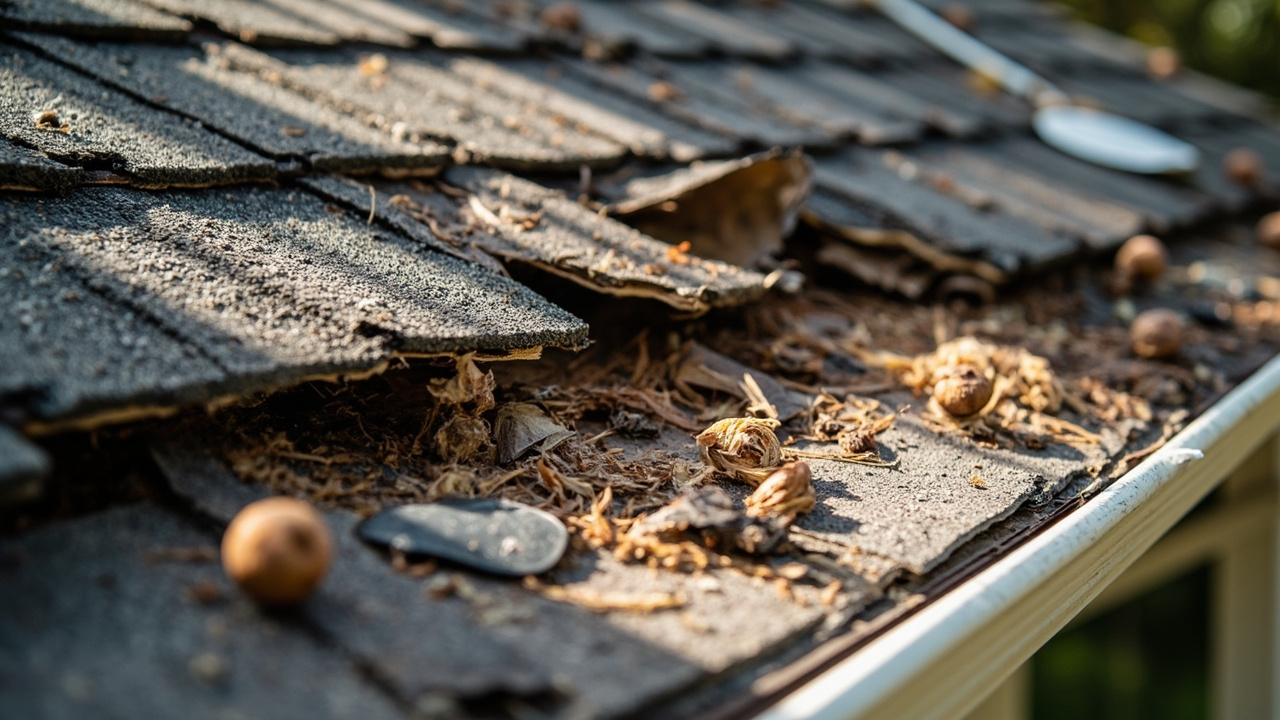
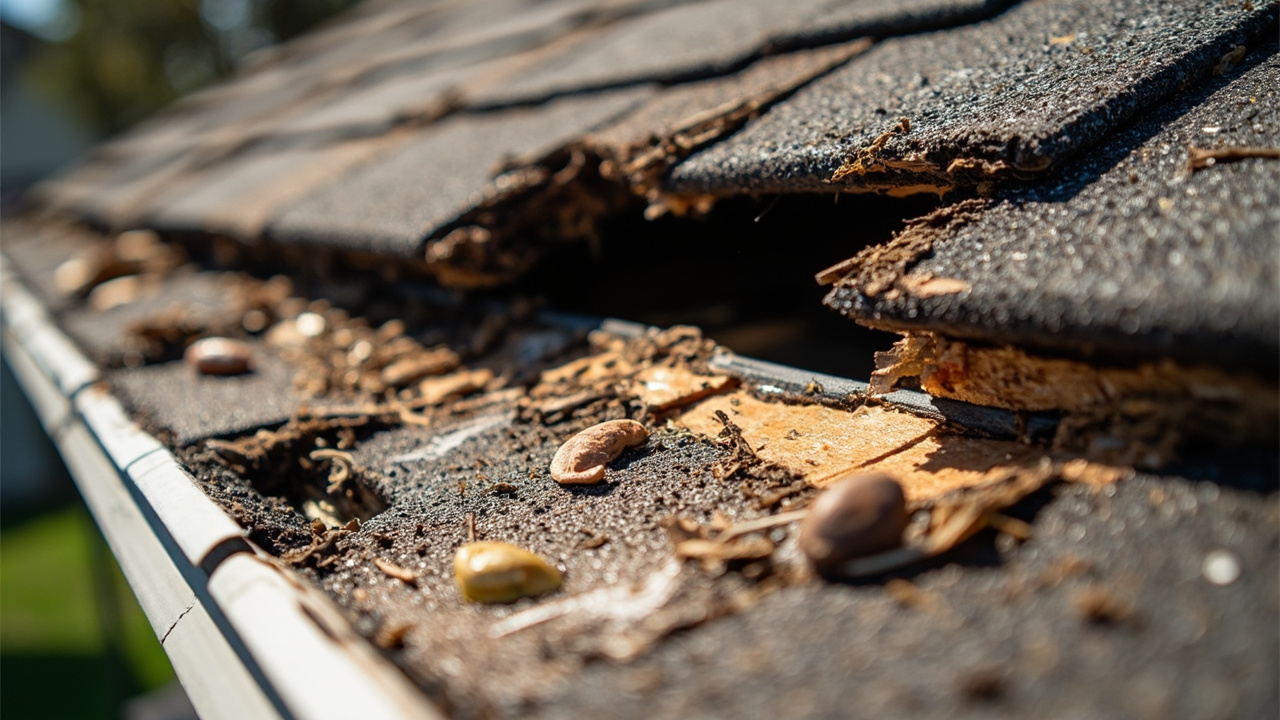
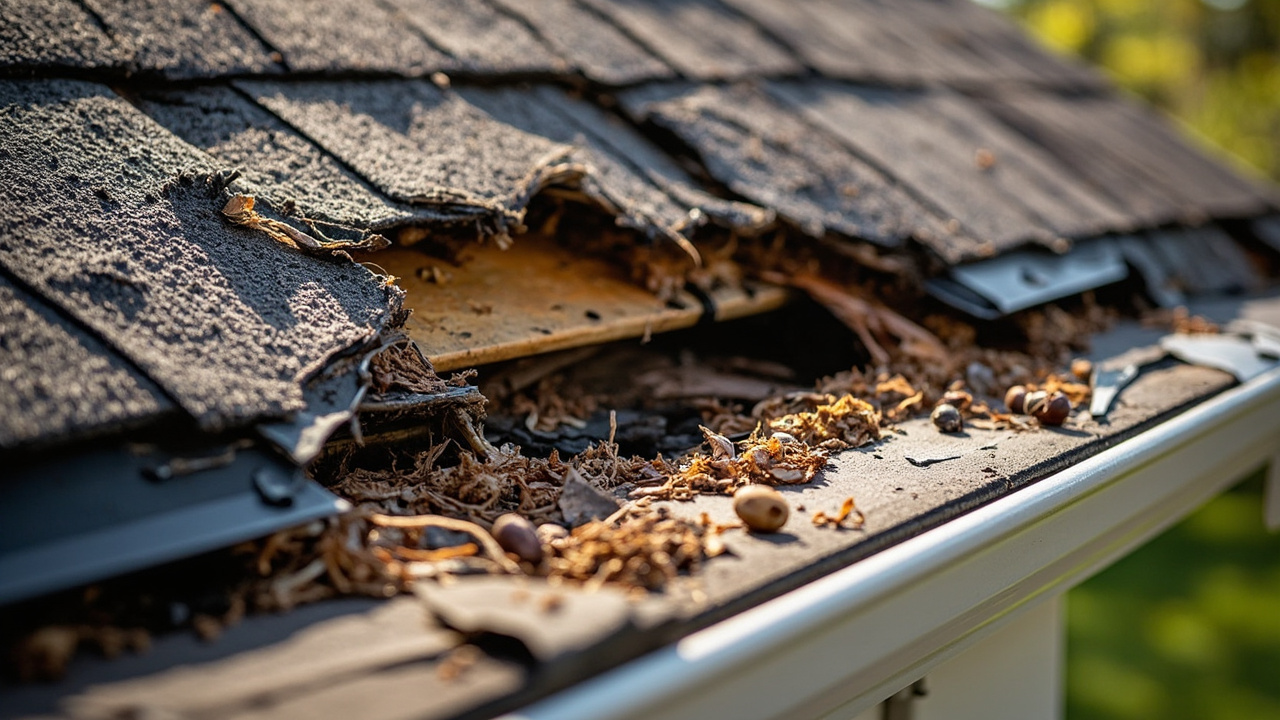
Denver sits at 5,280 feet elevation where temperature swings of 40 degrees in a single day are common from October through April. Ice forms overnight in roof gaps, then melts by afternoon, expanding cracks that animals exploit. Our city's location along the South Platte River and Cherry Creek creates natural wildlife corridors that funnel raccoons, squirrels, and foxes into residential neighborhoods. Properties within a mile of these waterways face higher pest pressure. Add in Denver's mature tree canopy in older neighborhoods and you have perfect conditions for animal intrusion roofing failures. Pest damage shingles appear faster here because animals gnaw through freeze-weakened materials with less effort.
Apex Roofing Denver operates exclusively along the Front Range. We understand Denver's unique pest species, climate challenges, and architectural styles. Our crews know the difference between repairing a 1920s bungalow in Curtis Park and a 1990s two-story in Highlands Ranch. We know which neighborhoods face bat colonies versus squirrel infestations. That local knowledge matters when specifying exclusion systems. We work with Denver's building codes, understand local permitting for structural repairs, and source materials rated for our altitude and wind exposure. When you choose a local contractor, you get expertise that national chains cannot replicate.