





Menu

Condensation & Moisture Issues in Denver – Expert Diagnosis and Permanent Fixes for Roof Sweating

Apex Roofing Denver identifies the root cause of attic moisture buildup, trapped moisture in roof spaces, and roof dampness, then fixes it correctly the first time to protect your home from mold, rot, and structural damage.

Slider Image 1
Slider Image 2
Slider Image 3
Slider Image 4
Slider Image 5
Slider Image 7
Slider Image 8
Slider Image 9
Slider Image 10
Slider Image 11

Why Denver Roofs Develop Condensation Problems

Denver's extreme temperature swings create a perfect environment for condensation and moisture issues. When winter nights drop below freezing and sunny days warm up fast, your attic becomes a battleground between cold roof decking and warm indoor air. This temperature differential causes roof sweating, where moisture collects on the underside of your roof deck and drips back onto insulation.

The problem intensifies in neighborhoods like Park Hill and Stapleton, where older homes often lack proper ventilation. Many Denver homes were built before modern building codes required adequate soffit and ridge vents. When warm, humid air from your living space rises into the attic and meets cold roof surfaces, you get attic moisture buildup. Over time, this trapped moisture in roof spaces saturates insulation, rots wood framing, and creates black mold colonies.

Denver's high altitude and dry climate trick many homeowners into thinking moisture problems do not happen here. The reality is different. Your furnace, showers, cooking, and even breathing pump moisture into your home's air. Without proper ventilation and vapor barriers, that humidity migrates upward and condenses against cold surfaces. The result is roof dampness that compromises your roof structure and reduces your insulation effectiveness. Left untreated, roof space condensation leads to thousands in structural repairs.

You might notice water stains on ceiling drywall, musty smells in upper floors, or frost buildup on attic rafters during winter mornings. These are warning signs of condensation issues that require immediate professional evaluation.

Why Denver Roofs Develop Condensation Problems
How We Diagnose and Eliminate Moisture Problems

How We Diagnose and Eliminate Moisture Problems

Fixing condensation issues requires more than slapping on a dehumidifier. At Apex Roofing Denver, we conduct a systematic evaluation of your entire roof system and attic environment. We measure your attic's actual ventilation against code requirements using Net Free Area calculations. Most Denver homes need a minimum 1:150 ventilation ratio, meaning one square foot of ventilation for every 150 square feet of attic space. Many homes fall short.

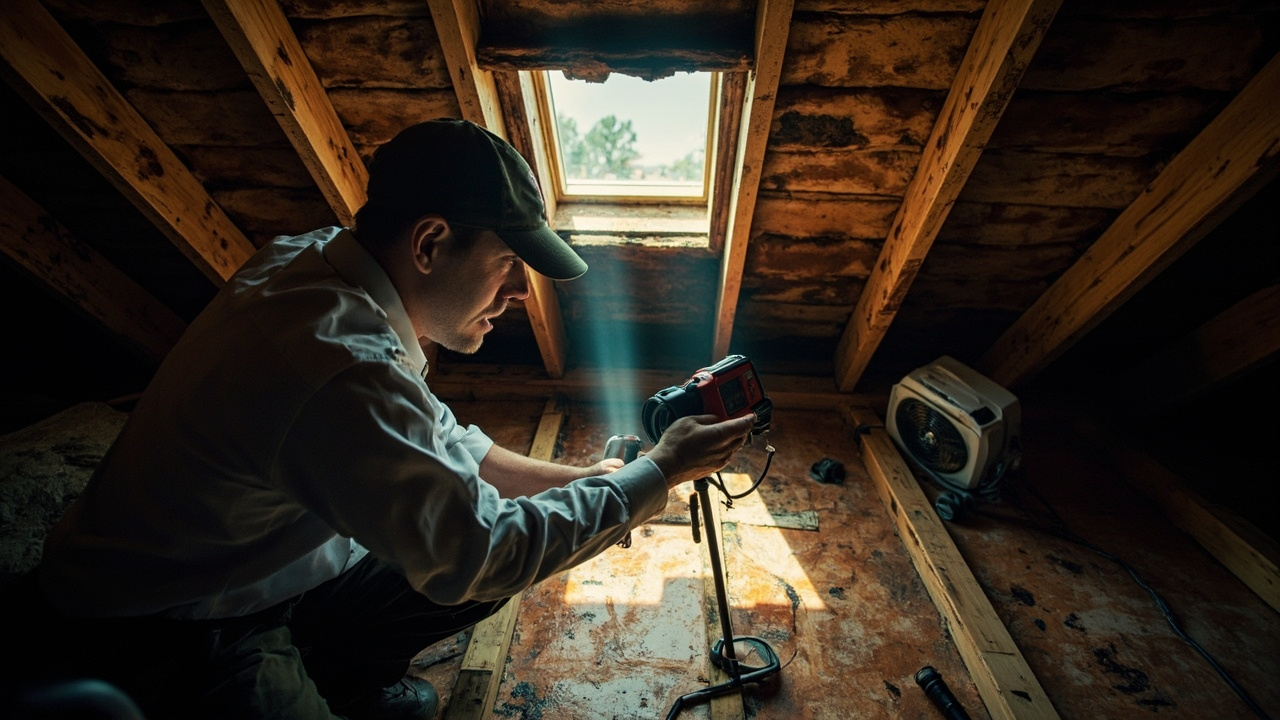
We use thermal imaging cameras to identify cold spots and air leakage points where warm air escapes into your attic. These infrared scans reveal what you cannot see with your eyes. Common culprits include unsealed recessed lights, attic hatches without weatherstripping, bathroom exhaust fans venting into attics instead of outdoors, and gaps around plumbing penetrations.

Our approach addresses three critical factors. First, we verify adequate intake ventilation at soffits and exhaust ventilation at ridge or gable vents. Passive airflow removes moisture-laden air before it condenses. Second, we inspect your vapor barrier beneath insulation. Many Denver homes have torn or missing polyethylene sheeting that allows moisture to migrate freely. Third, we examine your insulation's R-value and condition. Wet insulation loses its effectiveness and must be replaced.

We also evaluate your home's interior humidity sources. If your dryer vents into the attic, bathroom fans dump steam into roof spaces, or kitchen range hoods recirculate instead of exhausting outdoors, we identify these issues. Each one contributes to the moisture load your attic must handle. Our diagnostic process pinpoints the specific combination of factors creating your condensation problem, allowing us to design a targeted solution rather than guessing at fixes.

Our Three-Step Moisture Elimination Process

Condensation & Moisture Issues in Denver – Expert Diagnosis and Permanent Fixes for Roof Sweating
01

Comprehensive Moisture Assessment

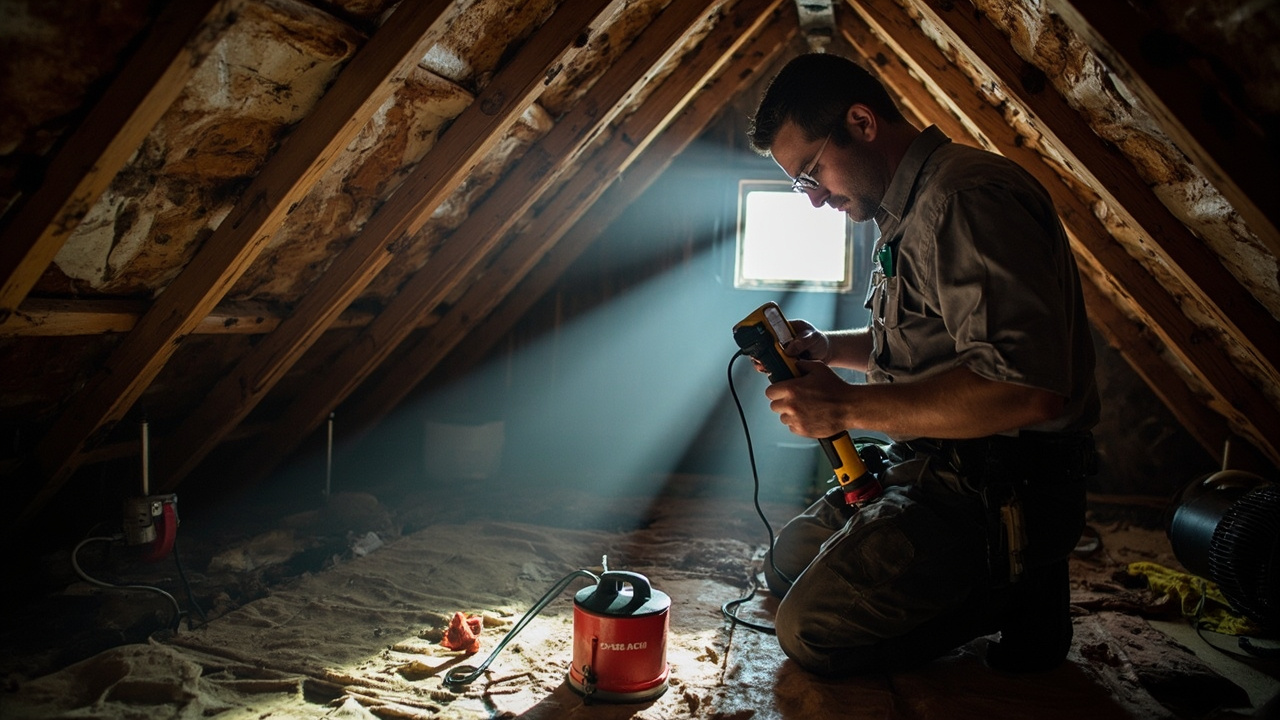
We start with a complete attic inspection using thermal imaging and moisture meters to identify active condensation zones. Our technicians measure ventilation ratios, inspect vapor barriers, and document all moisture entry points. We test insulation moisture content and photograph problem areas so you see exactly what we found. This diagnostic phase takes 60 to 90 minutes and gives us the data needed to design your custom solution.
02

Ventilation and Barrier Upgrades

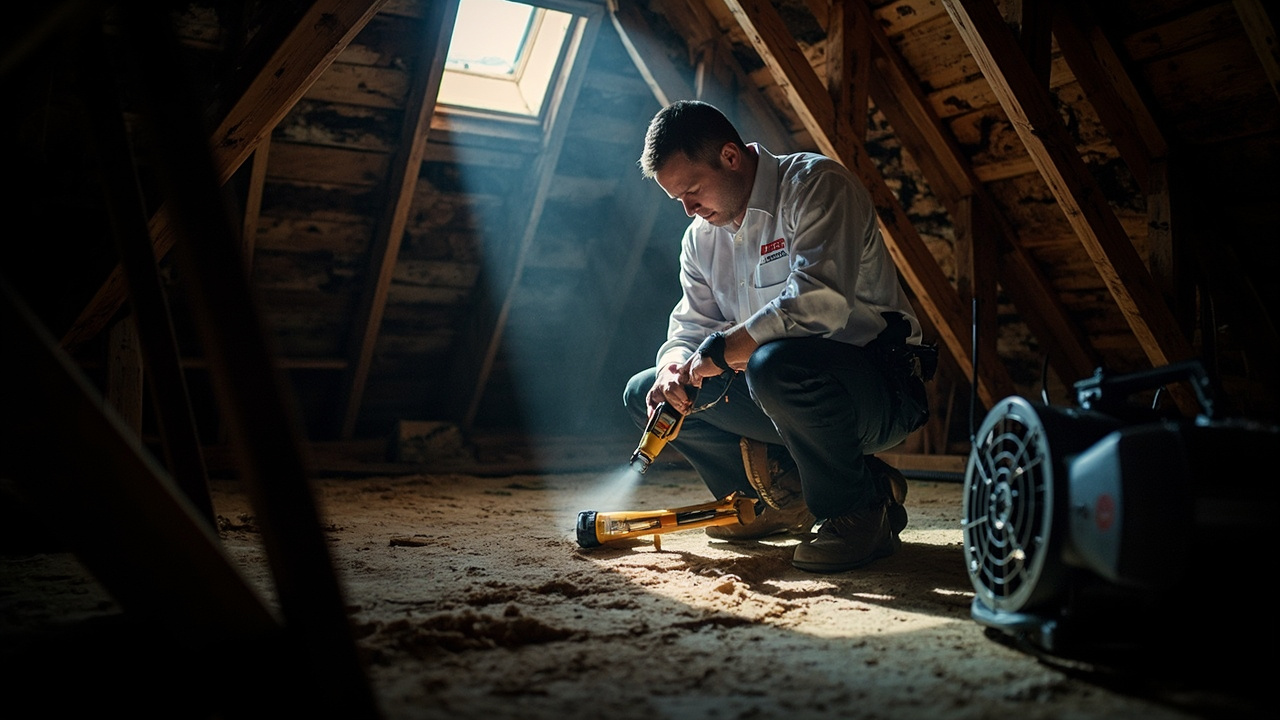
Based on your assessment, we install additional soffit vents, ridge vents, or gable vents to achieve proper airflow. We seal air leakage points with fire-rated caulk and expanding foam. If your vapor barrier is compromised, we install new polyethylene sheeting beneath insulation. We reroute bathroom and dryer vents to exhaust outside your home, not into attic spaces. This phase eliminates moisture sources and creates proper ventilation paths.
03

Insulation Replacement and Monitoring

We remove any wet or compressed insulation and replace it with new material rated for Denver's climate. Our team installs baffles at soffit areas to maintain airflow channels above insulation. Before completing the job, we take final moisture readings to confirm humidity levels have dropped. We provide guidelines for maintaining proper attic conditions year-round and schedule a follow-up inspection after your first winter to verify the solution is working.

Why Denver Homeowners Trust Apex Roofing for Moisture Issues

Condensation problems require specialized knowledge of building science and Denver's unique climate conditions. Many roofing companies misdiagnose moisture issues as roof leaks and waste your money replacing shingles that were never the problem. We understand the difference between water intrusion from outside and moisture generation from inside.

Our team has worked on every style of Denver home, from 1920s bungalows in Washington Park to new construction in Green Valley Ranch. We know that older homes often lack adequate attic ventilation because building codes were different when they were constructed. We also know that modern homes with tight building envelopes trap moisture more easily than older, drafty houses. Each situation requires a different solution.

We stay current with Denver's building codes and International Residential Code requirements for ventilation and vapor barriers. When we make upgrades, they meet or exceed code minimums. This matters if you ever sell your home, as a properly vented attic passes home inspections without issues. It also matters for your insurance coverage. Some policies require homes to meet current ventilation standards to maintain coverage for moisture-related damage.

Apex Roofing Denver uses commercial-grade ventilation products designed for Colorado's temperature extremes. We install intake vents that resist snow blockage during winter storms and ridge vents that handle high wind loads common along the Front Range. Our moisture barriers are rated for cold-weather flexibility so they do not crack when temperatures drop below zero.

We give you documentation of what we found and what we fixed. This includes before and after photos, ventilation calculations showing your attic now meets code requirements, and moisture readings proving humidity levels are in the safe range. If moisture issues recur, we come back to identify what changed.

What to Expect When You Call Apex Roofing Denver

Fast Response for Moisture Concerns

We schedule moisture assessments within 48 hours of your call because condensation damage worsens quickly. Active moisture accelerates mold growth and wood rot. Our inspection team arrives on time with thermal cameras and moisture detection equipment. You get a written assessment the same day explaining what we found and what needs to happen. If your situation requires immediate intervention to prevent structural damage, we prioritize your job and begin work within days, not weeks. Most moisture elimination projects take two to five days depending on the scope of ventilation upgrades and insulation replacement required.

Thorough Attic and Roof Evaluation

Our assessment goes beyond looking at wet spots. We calculate your attic's Net Free Vent Area and compare it to your attic square footage to determine if you meet the 1:150 ratio Denver requires. We use moisture meters to test wood framing and insulation throughout your attic, not just problem areas. Thermal imaging reveals temperature patterns that indicate air leakage and inadequate insulation. We inspect your roof deck for signs of previous moisture damage and check flashings around chimneys and roof penetrations. You receive a detailed report with photos and measurements explaining exactly what is causing condensation in your specific home.

Permanent Solutions That Stop Moisture

We fix condensation issues at their source rather than masking symptoms. When we complete your project, your attic has proper intake and exhaust ventilation creating continuous airflow. Your vapor barriers block moisture migration from living spaces. Your insulation is dry and effective. All bathroom fans, dryer vents, and kitchen exhausts discharge outside your home. We seal air leakage points so conditioned air stays in your living space instead of entering your attic. The result is a dry attic that maintains consistent temperatures and protects your roof structure for decades. You also see lower heating bills because your insulation works properly again.

Follow-Up Verification and Guidance

After completing your moisture elimination work, we provide guidelines for maintaining proper attic conditions. This includes recommended humidity levels for your home, how to verify bathroom fans are working correctly, and signs to watch for that might indicate new moisture sources. We schedule a follow-up inspection after your first winter to take moisture readings and verify ventilation is performing as designed. This follow-up is included in your project cost. If we find any issues during the follow-up, we address them immediately. We also keep detailed records of your attic ventilation specifications so future roofing work maintains proper airflow.

Frequently Asked Questions

You Have Questions,
We Have Answers

What are signs of excessive condensation? +

Look for water droplets on windows, especially in the morning. You will see wet spots on walls or ceilings, often near corners or exterior walls. Musty odors signal hidden moisture. Peeling paint or wallpaper bubbles indicate trapped water vapor. Black mold spots appear in bathrooms, basements, or closets. Warped wood trim or door frames mean chronic exposure. In Denver homes, frost or ice buildup on interior window frames during winter is a dead giveaway. Check behind furniture against exterior walls. Condensation leaves visible trails and damage patterns.

How to solve moisture problems in a house? +

Start with proper ventilation. Run exhaust fans in kitchens and bathrooms during and after use. Open windows periodically to exchange indoor air, even in Denver winters. Install a whole-house dehumidifier if humidity exceeds 50 percent. Fix leaks in roofs, plumbing, or foundations immediately. Insulate cold surfaces like pipes and exterior walls to prevent temperature differentials. Seal air gaps around windows and doors. Ensure your attic has adequate ventilation to prevent moisture buildup. In Denver's dry climate, moisture problems often stem from poor ventilation or specific leak sources, not outdoor humidity.

What causes excessive condensation in a house? +

Warm, moist air hits cold surfaces and releases water vapor. Common sources include cooking, showers, laundry, and even breathing. Poor ventilation traps this humid air indoors. Insufficient insulation creates cold spots on walls, windows, or ceilings where condensation forms. Leaky ductwork or improperly vented dryers pump excess moisture into living spaces. In Denver, rapid temperature swings between day and night amplify the problem. Older homes with single-pane windows and minimal wall insulation create perfect conditions. Overcrowding or too many houseplants add moisture. Foundation cracks let groundwater vapor seep inside.

How to fix a condensation problem? +

Identify the moisture source first. Repair roof leaks, plumbing issues, or foundation cracks. Improve ventilation by installing exhaust fans or upgrading your HVAC system. Add insulation to exterior walls, attics, and crawl spaces to eliminate cold spots. Replace single-pane windows with double-pane units. Use a dehumidifier in problem areas like basements. Ensure bathroom and kitchen exhaust fans vent outside, not into attics. In Denver, check that your attic ventilation meets code to prevent ice dam formation. Seal gaps around windows and doors. Address the root cause, not just the symptom.

Does condensation mean my house is too cold? +

Not necessarily. Condensation happens when warm, humid indoor air meets cold surfaces. Your thermostat setting matters less than the temperature differential between your air and surfaces like windows or walls. Poor insulation creates cold spots even in heated homes. In Denver, single-pane windows stay cold during winter nights, triggering condensation regardless of indoor temperature. If you see excessive condensation, the issue is usually inadequate insulation, poor ventilation, or too much indoor humidity. Raising your heat may reduce symptoms slightly but does not fix the underlying problem. Focus on ventilation and insulation first.

What are the 4 types of condensation? +

Surface condensation forms on cold windows, walls, or pipes when humid air contacts them. Interstitial condensation occurs inside wall cavities or roof assemblies when vapor diffuses through materials and hits cold sheathing. Reverse condensation happens in summer when cold air conditioning meets hot, humid outdoor air infiltrating your home. Concealed condensation develops in hidden spaces like attics or crawl spaces, leading to mold and rot before you notice. In Denver, surface and interstitial condensation dominate due to cold winters and temperature swings. Attic condensation from improperly vented bathrooms causes serious damage in local homes.

What pulls moisture out of a room? +

Dehumidifiers actively remove water vapor from air. Exhaust fans expel moisture-laden air outside from bathrooms and kitchens. Proper HVAC systems filter and condition air, reducing humidity. Opening windows creates cross-ventilation that exchanges humid indoor air for drier outdoor air. Ventilation fans in attics and crawl spaces push out trapped moisture. Desiccants like silica gel absorb small amounts in closets or safes. In Denver's naturally dry climate, mechanical ventilation usually solves most moisture problems. Whole-house dehumidifiers work best for basements. Passive ventilation through ridge vents and soffit vents keeps attics dry year-round.

How do you know if your house has a moisture problem? +

Musty odors hit you when entering certain rooms or opening closets. Visible mold grows on walls, ceilings, or grout lines. Water stains appear on ceilings or walls, often with discoloration. Peeling paint or bubbling wallpaper signals trapped moisture. Warped flooring or soft spots in subflooring indicate chronic water exposure. Windows fog up excessively or show mold around frames. In Denver basements, efflorescence (white chalky deposits) on concrete walls means moisture migration. High humidity readings above 60 percent confirm the problem. Condensation on cold water pipes or AC ducts is another red flag.

Who to call for condensation problems? +

Contact a licensed roofing contractor to inspect for roof leaks or attic ventilation issues. A qualified HVAC technician can assess your ventilation system and recommend dehumidification solutions. Plumbers locate and repair hidden leaks. Building scientists or home inspectors perform comprehensive moisture assessments using thermal imaging and humidity meters. For Denver homes, start with a roofer familiar with local freeze-thaw cycles and ice dam prevention. Many condensation problems trace back to inadequate attic ventilation or roof damage. A professional diagnoses the root cause instead of treating symptoms. Get multiple opinions if the source remains unclear.

How do you stop condensation permanently? +

Permanently stopping condensation requires addressing all contributing factors together. Upgrade insulation in exterior walls, attics, and crawl spaces to eliminate cold spots. Replace single-pane windows with energy-efficient double or triple-pane units. Install continuous ventilation through exhaust fans, ridge vents, and soffit vents. Use vapor barriers correctly in walls and crawl spaces. Maintain indoor humidity between 30 and 50 percent with dehumidifiers. Seal air leaks around penetrations, windows, and doors. In Denver, ensure your roof and attic meet ventilation codes to prevent moisture buildup during winter. Proper design and maintenance eliminate condensation long-term.

How Denver's Freeze-Thaw Cycles Accelerate Condensation Damage

Denver experiences an average of 60 freeze-thaw cycles each winter, more than almost any other major city. When daytime temperatures climb into the 50s and nighttime temperatures drop into the teens, your roof deck expands and contracts repeatedly. This movement stresses wood fibers already weakened by moisture. A roof deck with trapped moisture develops micro-cracks that spread with each freeze-thaw cycle. What starts as minor roof sweating in November becomes serious structural damage by March. The combination of attic moisture buildup and temperature cycling unique to Colorado's Front Range means condensation issues progress faster here than in climates with stable winter temperatures.

Apex Roofing Denver has worked with Denver building inspectors and understands local enforcement of ventilation codes. Many Denver neighborhoods have homes built before 1990 when ventilation requirements were less stringent. If you are buying or selling a home in Denver, attic condensation issues flag during inspections and delay closings. We provide documentation that your ventilation system meets current Denver building code requirements, which satisfies inspection requirements and protects property values. Our familiarity with Denver's mix of older and newer construction means we design solutions appropriate for your home's age and style.

Roofing Services in The Denver Area

Looking for trusted roofing services near you? Apex Roofing Denver proudly serves homeowners and businesses across the greater Denver area with expert roof repairs, replacements, inspections, and storm damage restoration. From Aurora to Lakewood and Thornton to Centennial, our experienced roofing team is ready to deliver fast, dependable solutions. Use the map below to explore our service areas and find top-rated roofing help near your neighborhood.

Address:
Apex Roofing Denver, 2301 Blake St, Denver, CO, 80205

Additional Services We Offer

Our news updates

Latest Articles & News from The Blogs

Lorem ipsum dolor sit amet. Aut expedita quaerat quo eligendi numquam et laudantium perspiciatis qui minima expedita rem consequatur ducimus.…

Test Blog 4

Lorem ipsum dolor sit amet. Aut expedita quaerat quo eligendi numquam et laudantium perspiciatis qui minima expedita rem consequatur ducimus.…

Test Blog 3

Lorem ipsum dolor sit amet. Aut expedita quaerat quo eligendi numquam et laudantium perspiciatis qui minima expedita rem consequatur ducimus.…

Test Blog 2

Lorem ipsum dolor sit amet. Aut expedita quaerat quo eligendi numquam et laudantium perspiciatis qui minima expedita rem consequatur ducimus.…

Contact Us

Stop moisture damage before it compromises your roof structure. Call Apex Roofing Denver at (720) 484-8300 for a thorough attic moisture assessment. We diagnose the real cause of condensation problems and fix them permanently. Available for inspections six days a week.