




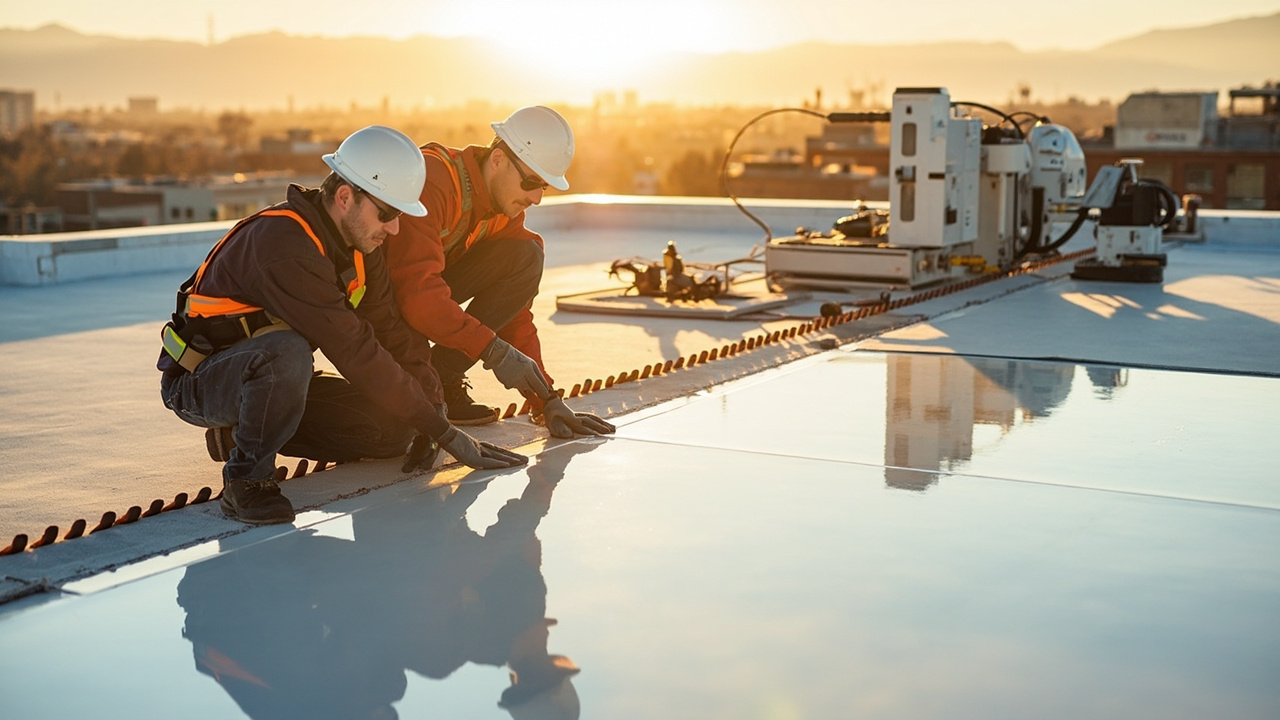
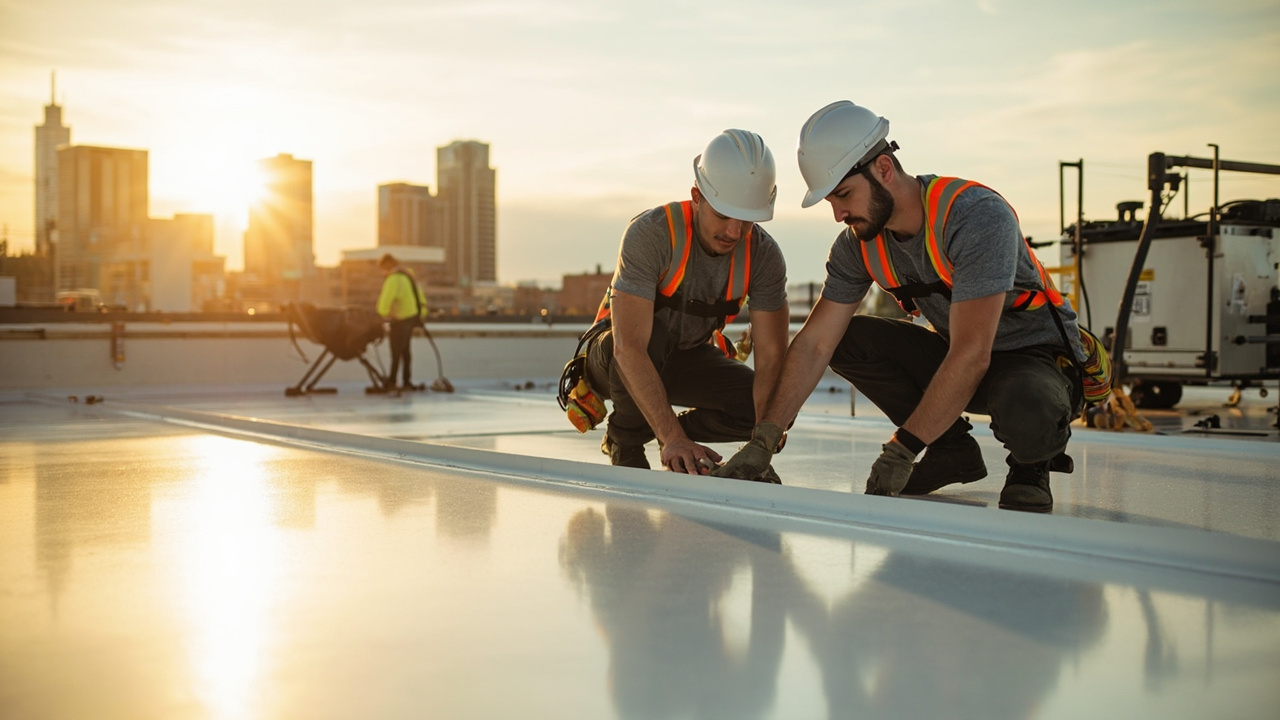
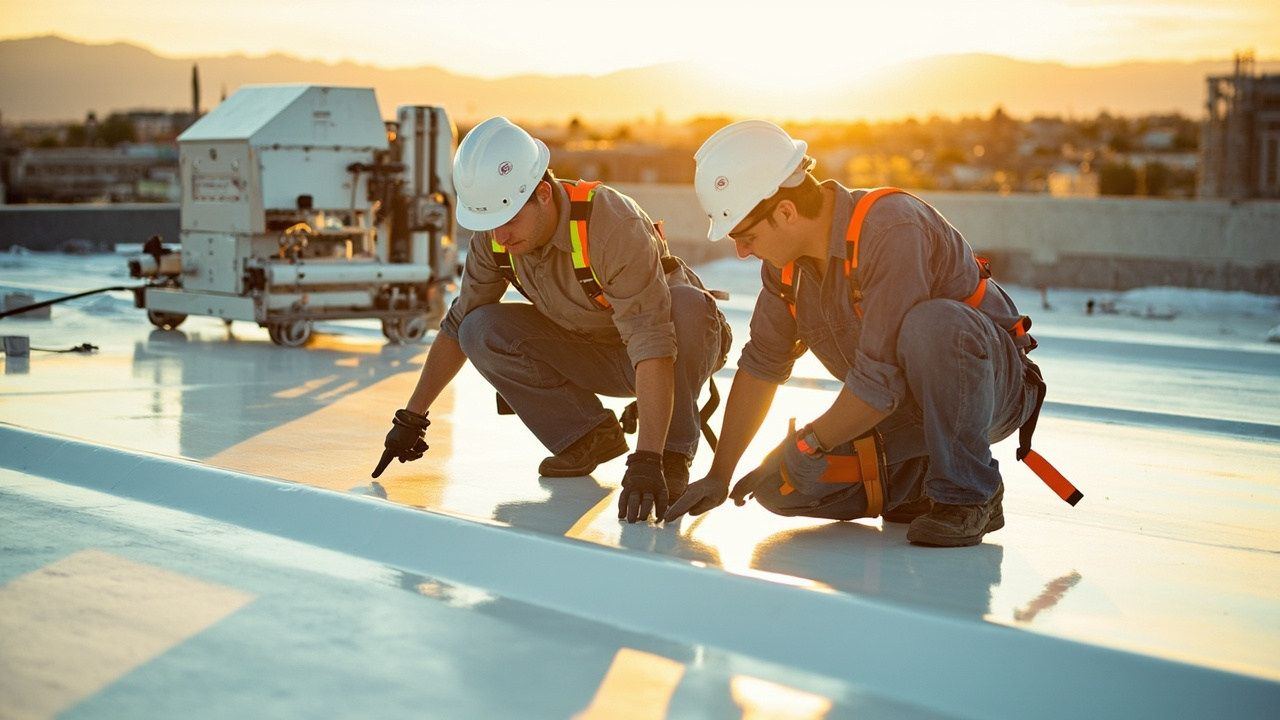
Denver's 5,280-foot elevation creates unique challenges for commercial roofing systems. Lower atmospheric pressure affects adhesive cure times and requires adjusted application techniques for self-adhered membranes. UV radiation intensity at altitude degrades roofing materials 30% faster than sea-level installations, making material selection critical for long-term performance. The city's 300 days of annual sunshine combined with rapid freeze-thaw cycles stress membrane seams and flashing terminations. Commercial roofing contractors working in Denver specify UV-stabilized materials and reinforced flashing details that withstand the Front Range climate. Temperature differentials between roof surface and interior spaces create condensation risks that require properly designed vapor retarders and ventilation systems.
Denver's commercial building codes enforce specific requirements that differ from national standards. The city adopted enhanced wind uplift provisions following severe weather events in the metro corridor. Commercial roof installers must demonstrate compliance with Denver's prescriptive requirements or provide engineering calculations for alternative systems. Local building inspectors verify insulation thickness, attachment density, and flashing installations before approving final inspections. Industrial roofing contractors familiar with Denver's permit process navigate these requirements efficiently, avoiding project delays and re-inspection fees. Relationships with local building officials, material suppliers, and engineering firms streamline approvals and ensure your project meets all regulatory requirements.