





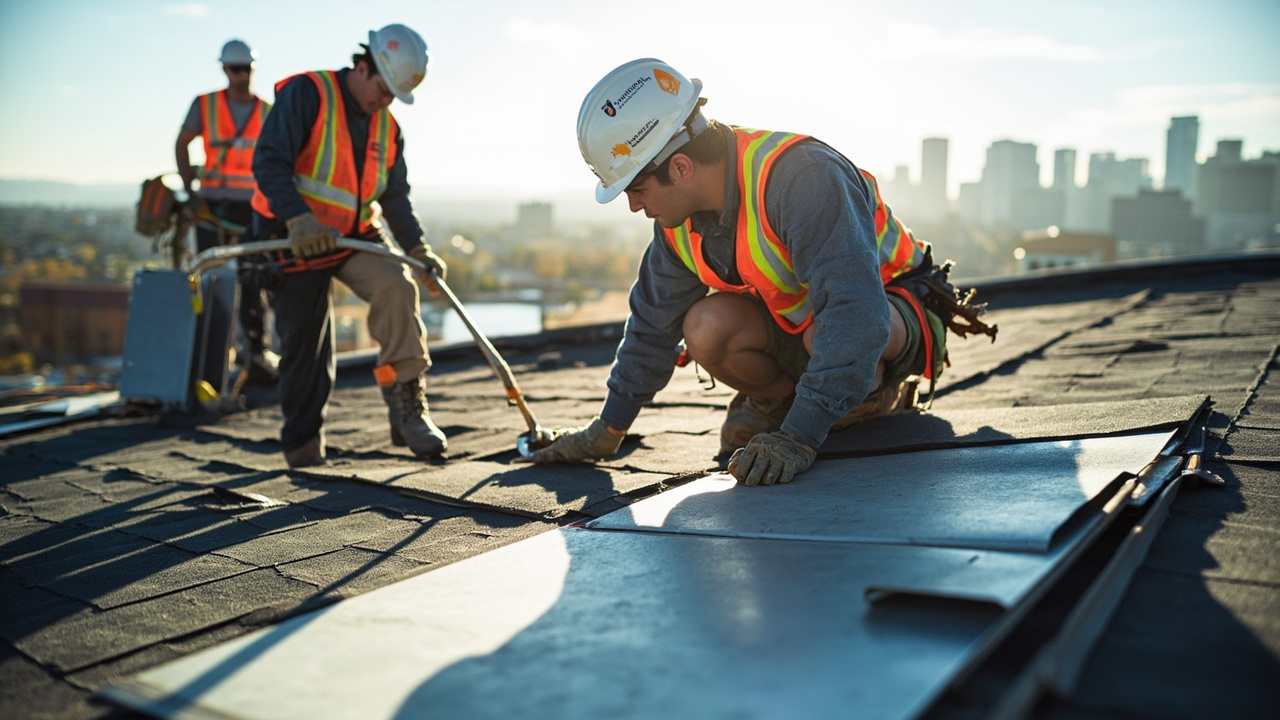
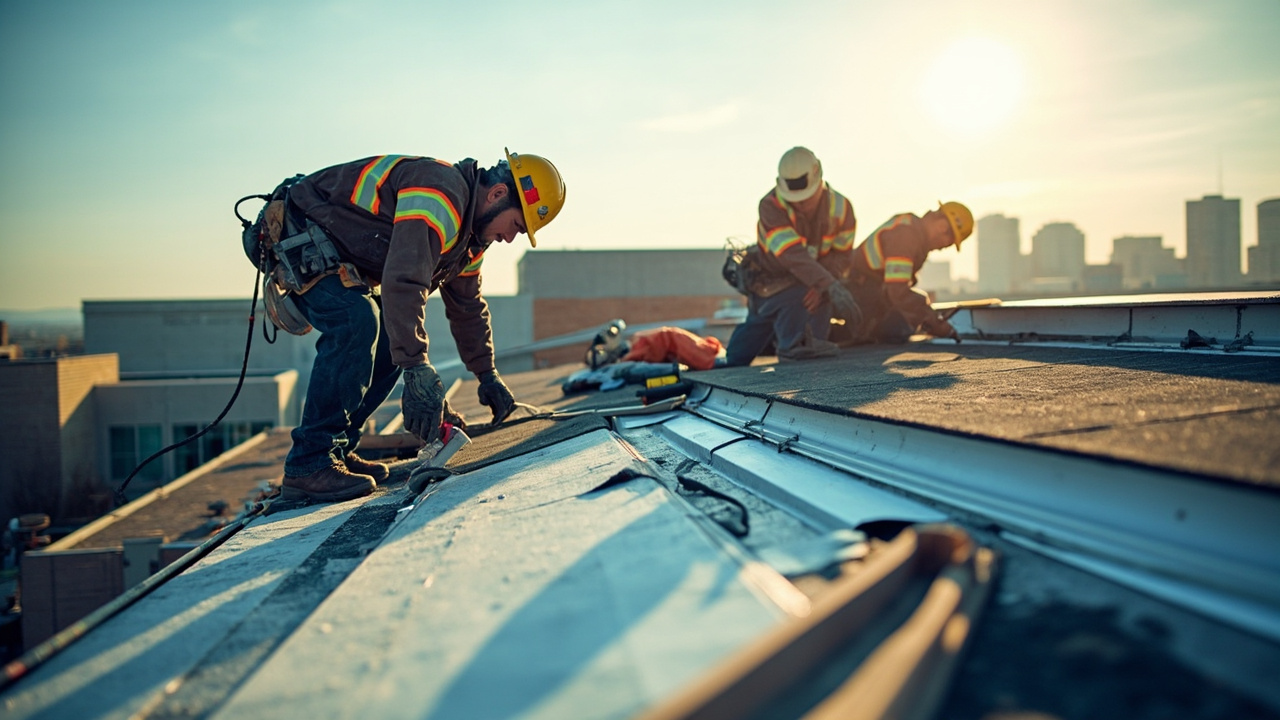
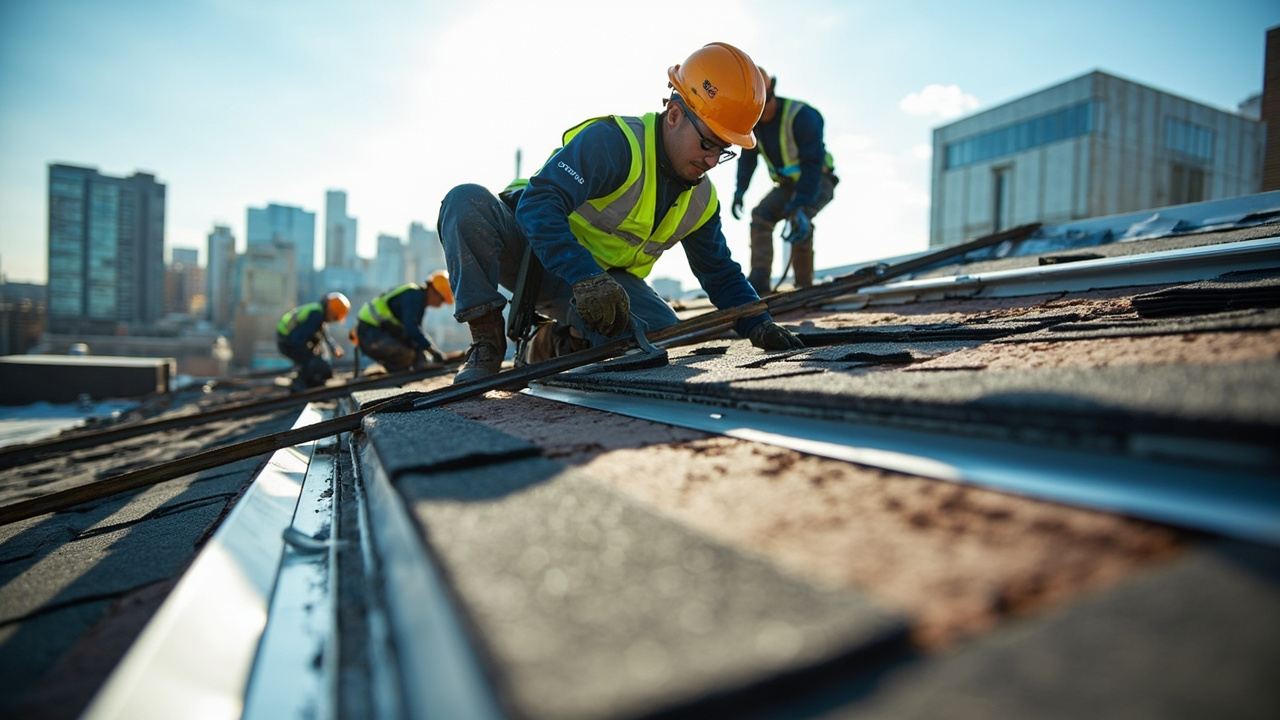
Denver sits at 5,280 feet elevation where UV radiation intensity is 25 percent higher than at sea level. This accelerates oxidation and plasticizer loss in membrane roofing systems. TPO and PVC membranes become brittle faster in high-altitude sun exposure, leading to cracking along seams and fastener locations. Commercial reroofing in Denver requires UV-resistant formulations and increased membrane thickness to compensate for degradation rates. Temperature differentials between day and night cause thermal cycling that stresses roof substrates and fastener connections. Buildings in downtown Denver and along the I-25 corridor face additional wind loads from Front Range chinook events that create uplift forces on roof edges.
Denver requires commercial building roof replacement projects to comply with energy codes that mandate higher insulation values than national standards. The city prioritizes energy efficiency in commercial construction, which affects substrate preparation and attachment methods during industrial roof replacement. Apex Roofing Denver maintains relationships with local building inspectors and understands the documentation required for permit approval. We are familiar with the structural characteristics of commercial buildings throughout Capitol Hill, the Golden Triangle, and Five Points. This local knowledge allows us to anticipate code compliance issues and streamline project approvals.