





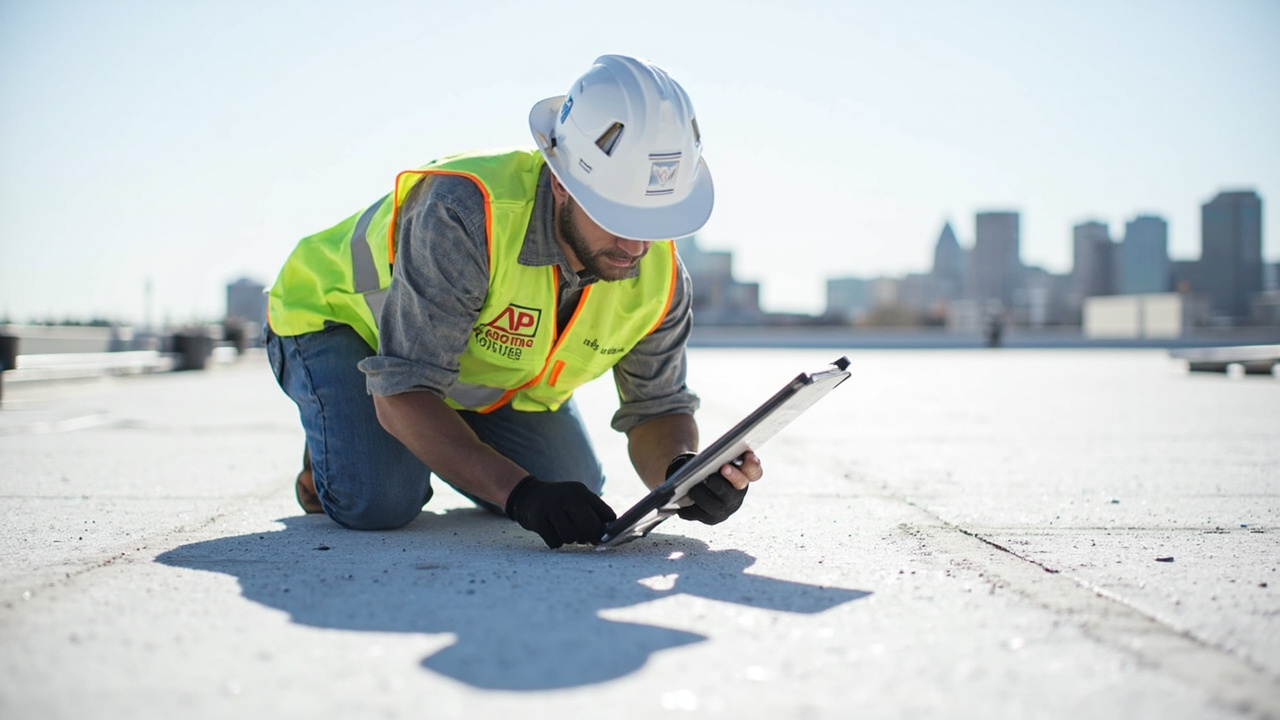
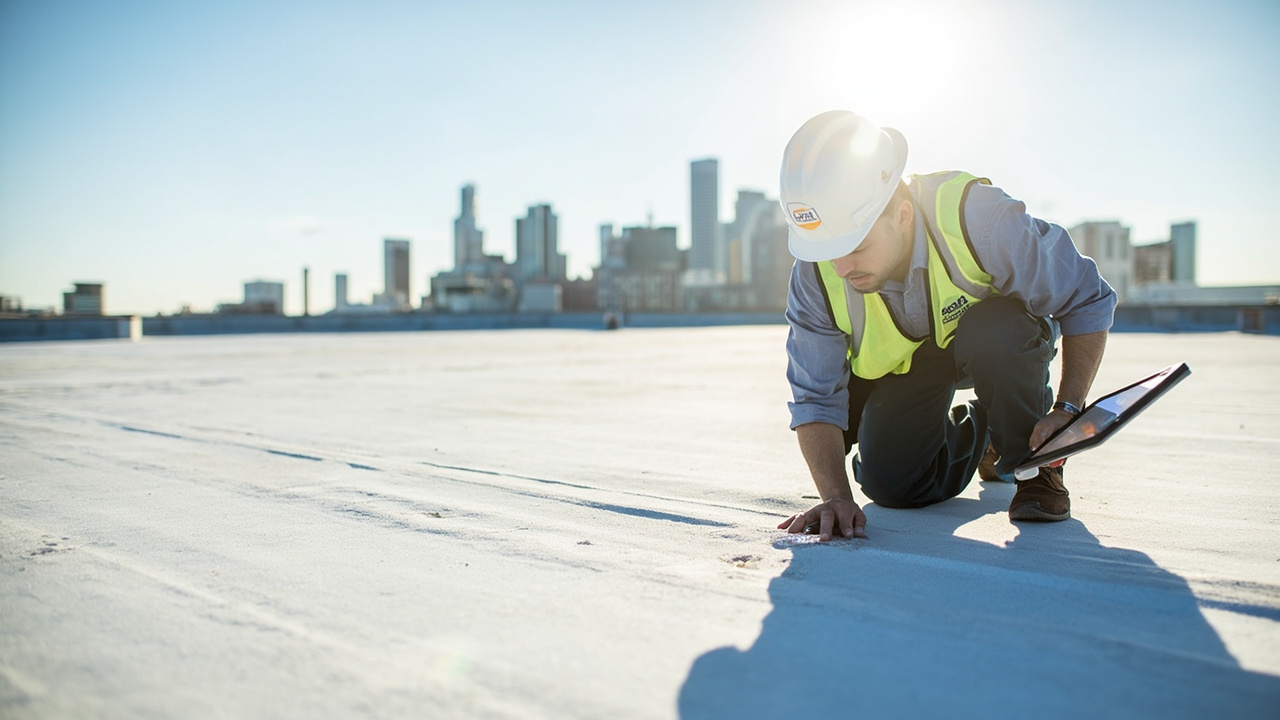
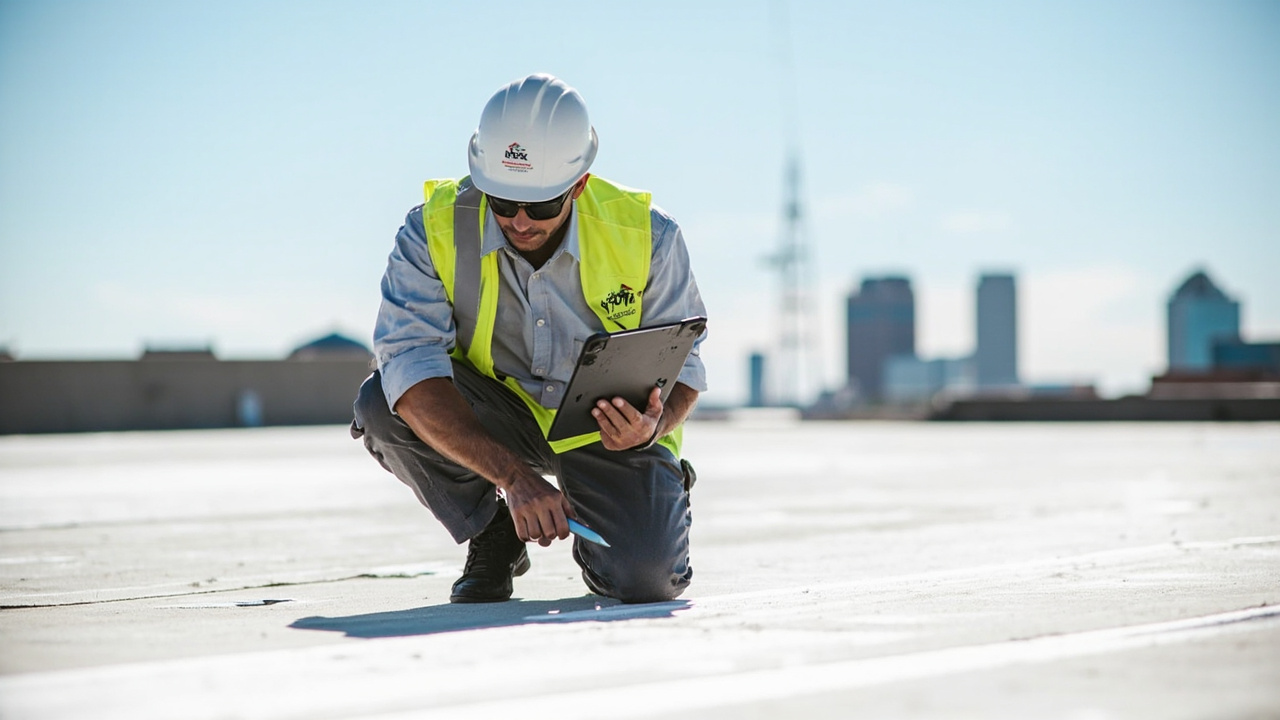
Denver's 5,280-foot elevation exposes commercial roofs to 25 percent more UV radiation than coastal properties receive. This accelerates oxidation and membrane chalking, which shortens service life on EPDM, TPO, and modified bitumen systems. The thin atmosphere also means rapid temperature swings. A roof surface can hit 160 degrees in July sun, then drop to freezing overnight. This constant expansion and contraction fatigues seams and causes fastener withdrawal. Add in an average of 150 freeze-thaw cycles per year and 11 severe hail events in 2023 alone, and you see why Denver commercial roofs age faster than manufacturer ratings predict. A commercial roofing evaluation report accounts for these local conditions when estimating remaining roof life.
Denver's commercial real estate market moves fast, and lenders require third-party roof assessments on properties over 15 years old. A commercial roof condition report satisfies due diligence requirements and prevents deal delays. Local insurance carriers also scrutinize roof age when underwriting policies. Buildings with roofs older than 20 years face coverage limitations or outright policy nonrenewal. Having current documentation from a HAAG Certified inspector strengthens your position during coverage negotiations and claim settlements. Apex Roofing Denver understands what local adjusters, lenders, and buyers expect in a commercial roofing assessment report, and we deliver documentation that meets those standards.