





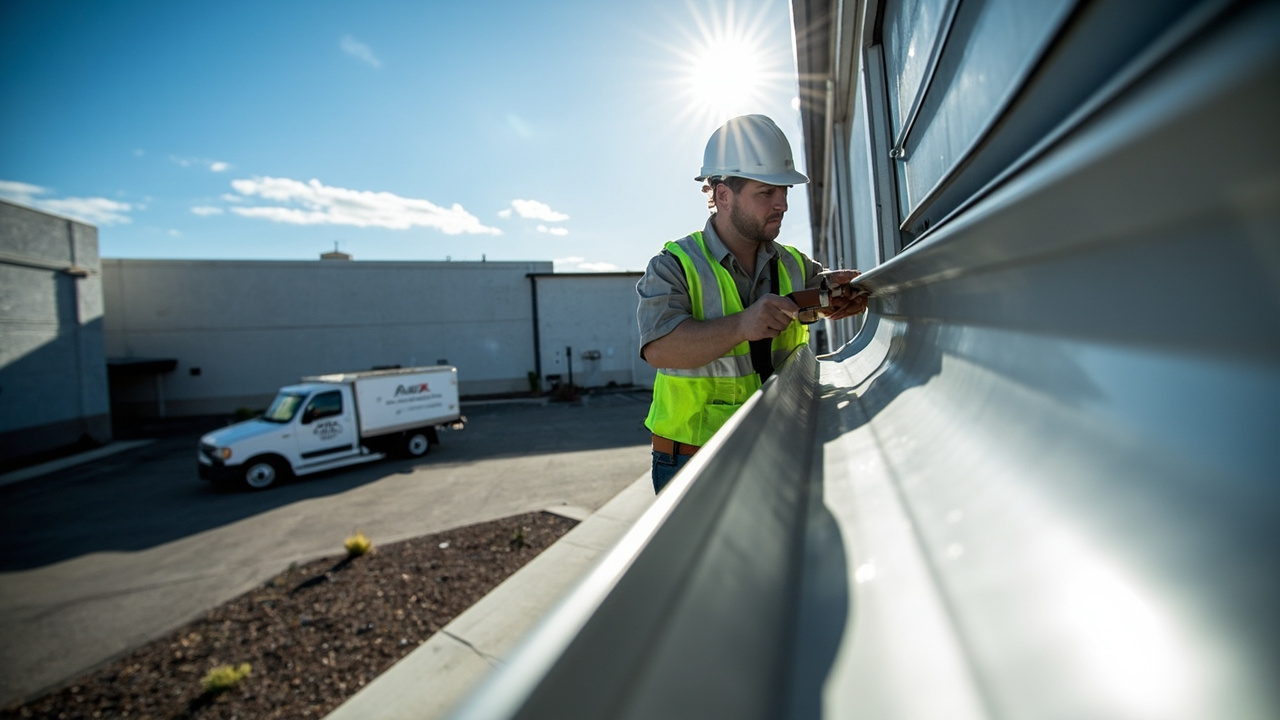
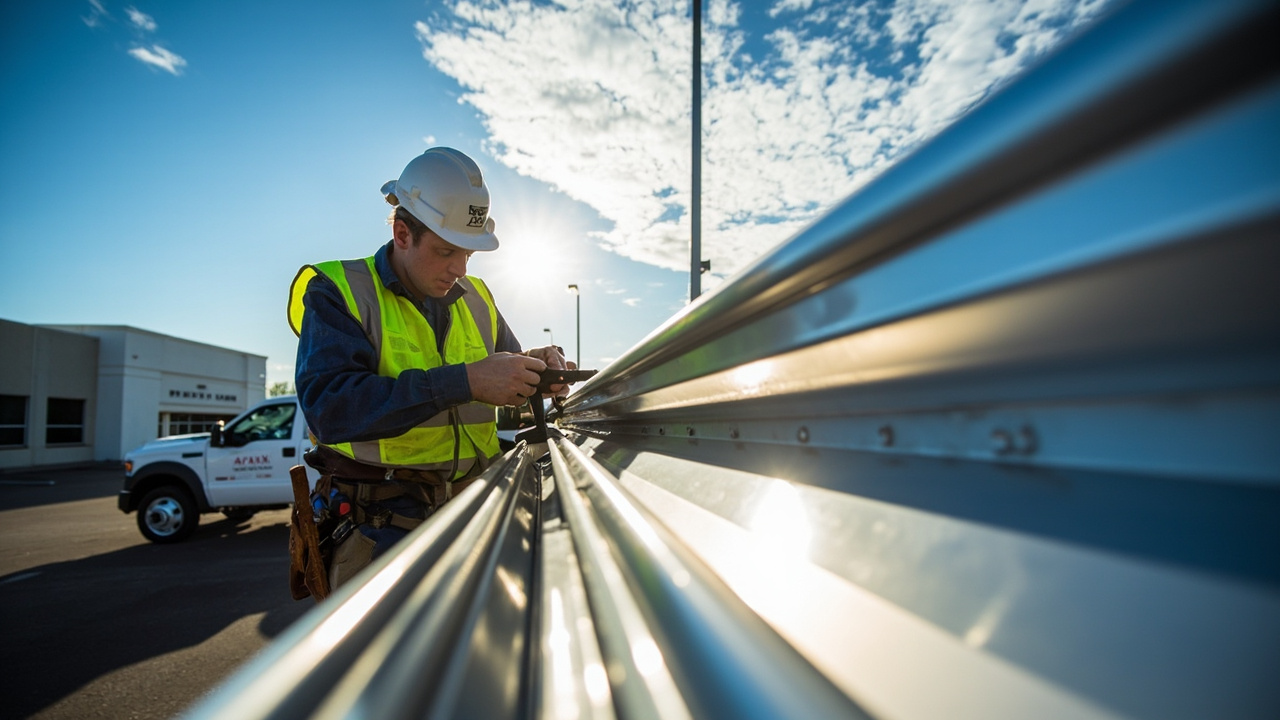
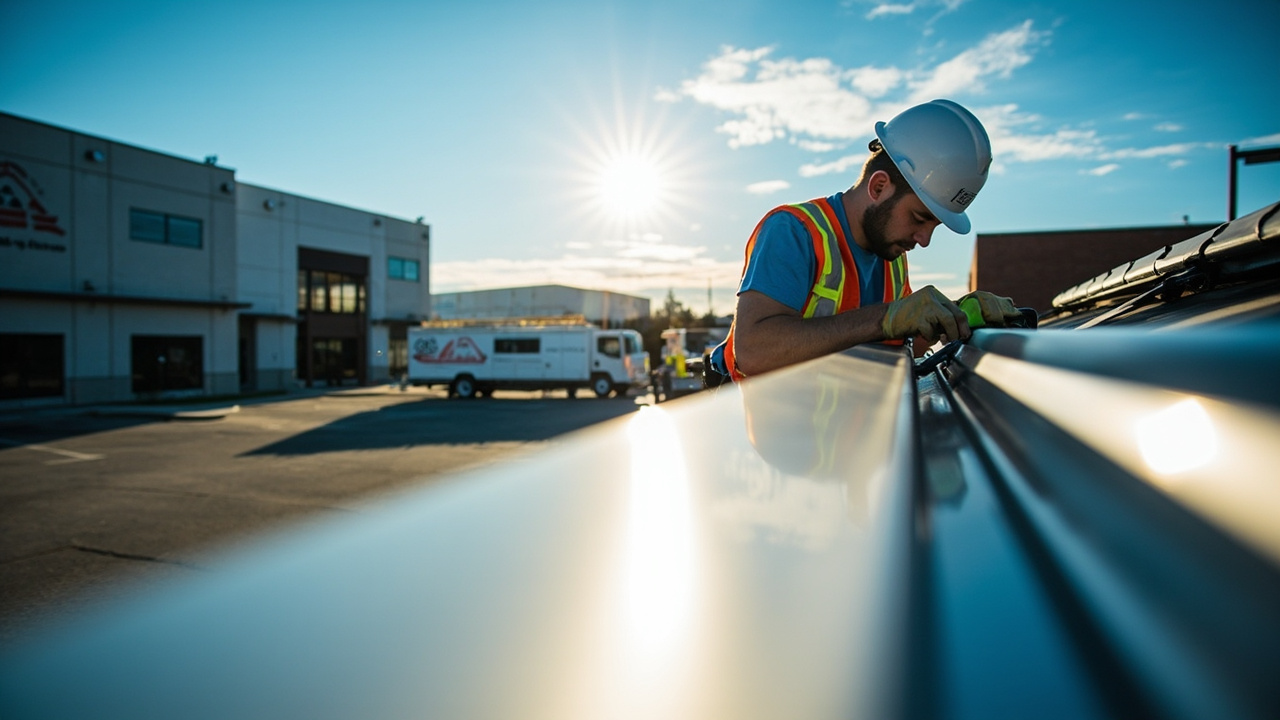
Denver's elevation and continental climate create unique drainage challenges that coastal or low-altitude systems do not address. Temperatures fluctuate 40 degrees within 24 hours during spring and fall, causing water trapped in gutters to freeze overnight and expand. This cycle repeats 80 to 100 times annually, stressing seams, popping rivets, and cracking sealant on undersized commercial grade gutters. Facilities east of I-25 face additional wind exposure during chinook events that create uplift forces exceeding 90 mph, requiring reinforced hangers and structural attachment methods. Snow accumulation on north-facing roof sections melts rapidly when afternoon sun hits southern exposures, creating hydraulic surges that overflow systems designed for average rainfall rather than peak melt rates.
Apex Roofing Denver has installed industrial guttering on commercial properties throughout the metro area for years, working with property management firms, facility directors, and building owners who need drainage solutions engineered for Front Range conditions. We understand Denver's building code amendments, coordinate with municipal inspectors on commercial projects, and maintain relationships with local suppliers who stock materials rated for altitude and thermal stress. Facility managers choose local contractors because we respond quickly when systems fail, stock replacement components that match existing installations, and provide emergency service during spring storms when out-of-state contractors are unavailable or unfamiliar with local drainage requirements.