
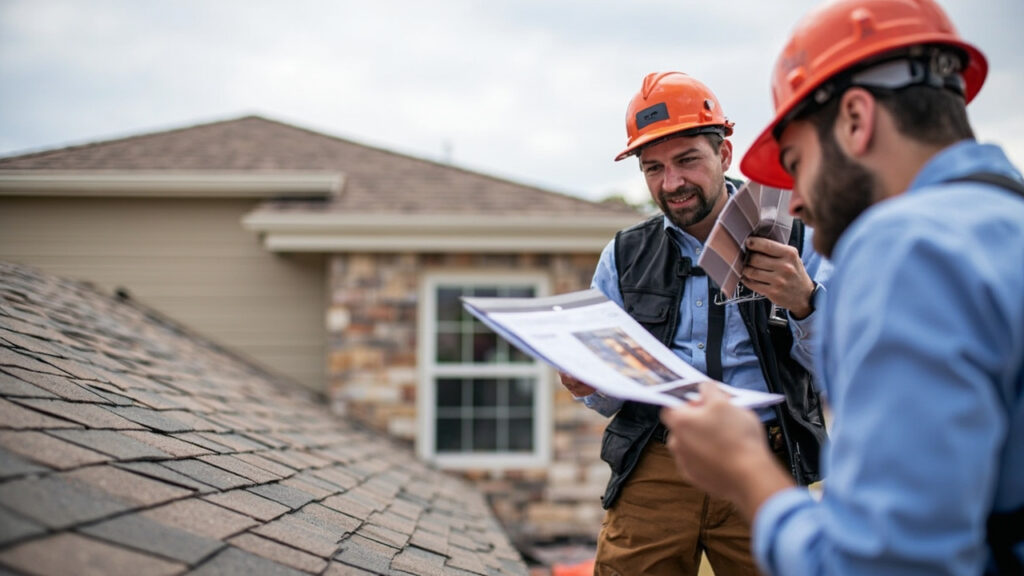
Understanding Denver HOA Roofing Requirements
Denver homeowners face a unique challenge when replacing their roofs. Not only must you comply with the City and County of Denver building codes, but you also need to navigate the architectural review process of your homeowners association. In Stapleton, this means understanding both sets of requirements before you even begin your roofing project.. Read more about The Best Solar Roofing Options for Energy Efficient Denver Homes.
The Stapleton community, now known as Central Park, has specific aesthetic standards that homeowners must follow. These standards exist to maintain property values and ensure visual consistency throughout the neighborhood. However, they can create confusion when you’re trying to select roofing materials that are both HOA-approved and suitable for Colorado’s harsh climate.
Denver’s weather presents its own set of challenges. The Front Range experiences severe hail storms, high UV exposure at 5,280 feet elevation, and rapid freeze-thaw cycles that can damage roofing materials. Your HOA-approved choice must also withstand these conditions to protect your home effectively.
Common HOA Material and Color Restrictions in Stapleton
Most Stapleton HOAs require Class 4 impact-resistant shingles for all roof replacements. This requirement aligns with Colorado insurance standards and helps protect homes from hail damage. The Class 4 rating means the shingles can withstand impacts from steel balls dropped from specific heights without cracking.
Color restrictions typically focus on maintaining the neighborhood’s cohesive appearance. Stapleton HOAs often provide a limited palette of earth tones and muted colors. Bright colors, stark contrasts, and unconventional patterns usually face rejection during the architectural review process.
Material restrictions vary by architectural style. Mediterranean-inspired homes might be required to use clay tile or synthetic slate, while traditional ranch-style homes typically need architectural asphalt shingles. Flat roofs on modern designs often require specific membrane materials that meet both HOA and building code requirements.. Read more about Choosing Between Asphalt Shingles and Metal Roofing for Your Denver Home.
Several materials face outright bans in many Stapleton HOAs. Metal roofing, while excellent for hail resistance, often conflicts with aesthetic guidelines. Similarly, solar shingles, despite their energy efficiency benefits, may require special approval due to their appearance and Colorado Senate Bill 13-183 regulations regarding HOA solar restrictions.
The Step-by-Step HOA Approval Process
Navigating the approval process requires careful planning and attention to detail. Most Stapleton HOAs follow a similar timeline and documentation requirement structure.
- Review HOA Documents
Start by obtaining your HOA’s Covenants, Conditions, and Restrictions (CC&Rs). These documents outline specific roofing requirements, approved material lists, and color palettes. Pay special attention to any sections about roof-mounted equipment, as satellite dishes and solar panels have separate approval processes.
- Submit Architectural Review Application
Complete the HOA’s architectural review committee (ARC) application form. Include detailed specifications of your proposed roofing materials, manufacturer information, color samples, and installation methods. Most HOAs require physical color samples rather than digital representations.
- Gather Supporting Documentation
Include your contractor’s license information, proof of insurance, and any manufacturer warranties. Some HOAs require energy efficiency ratings or fire resistance classifications. Document how your proposed materials meet both HOA standards and Denver building code requirements.
- Schedule the Review
Submit your complete application package to the ARC. Most Stapleton HOAs review applications within 14-30 days. During this period, the committee may request additional information or modifications to your proposal.
- Obtain Approval
Once approved, you’ll receive written authorization to proceed. Keep this documentation on-site during installation. Some HOAs require final inspection after completion to ensure compliance with approved plans.
Denver Building Codes vs. HOA Rules
Understanding the distinction between city building codes and HOA requirements is crucial for a successful roofing project. Denver building codes focus on structural safety and performance, while HOAs focus on aesthetics and neighborhood character.
Denver requires specific installation standards that all roofing projects must meet. These include proper ice and water shield installation in valleys and along eaves, adequate ventilation to prevent moisture buildup, and appropriate underlayment materials. The city also mandates specific flashing details around chimneys, skylights, and roof penetrations.
Your HOA cannot override basic safety requirements. If Denver building code requires ice and water shield, your HOA cannot approve a proposal that omits this critical component. However, HOAs can require specific colors or textures that go beyond basic code compliance.
Permit requirements add another layer of complexity. The City and County of Denver requires building permits for all roof replacements. Your contractor must obtain these permits before starting work, regardless of HOA approval status. Some HOAs require proof of permit approval before granting their own authorization.
Selecting the Right Materials for Stapleton Homes
Class 4 impact-resistant shingles dominate the Stapleton roofing market for good reason. These shingles provide superior hail protection while meeting most HOA aesthetic requirements. Popular brands include GAF Timberline HDZ with LayerLock technology, CertainTeed Landmark IR, and Owens Corning Duration Storm.
Synthetic slate offers an excellent alternative for homeowners seeking premium materials. These products mimic natural slate’s appearance while providing better impact resistance and lighter weight. Many Stapleton Mediterranean-style homes use synthetic slate to achieve the desired aesthetic without the structural challenges of natural stone.
For flat roof sections common in modern Stapleton designs, modified bitumen and TPO membranes provide reliable waterproofing. These materials must meet both Denver’s flat roof requirements and HOA appearance standards. Some HOAs require specific membrane colors or textures to maintain visual consistency.
Color selection significantly impacts both HOA approval and home performance. Lighter colors reflect more sunlight, potentially reducing cooling costs during Denver’s sunny summers. However, many HOAs restrict light colors to maintain neighborhood warmth. Medium earth tones typically offer the best balance of HOA approval and energy efficiency.
Navigating Insurance and HOA Requirements
Insurance companies and HOAs often have conflicting requirements that can complicate your roofing project. Most Colorado insurers require Class 4 impact-resistant shingles for hail-prone areas, while some HOAs maintain lists of pre-approved materials that may not include the latest impact-resistant options.
When filing an insurance claim for hail damage, you’re entitled to materials of like kind and quality under Colorado law. However, if your HOA requires upgrades beyond your insurance coverage, you’ll need to cover the difference. Some homeowners find that HOA-approved materials actually provide better long-term value despite higher upfront costs.
Document everything when dealing with insurance and HOA requirements simultaneously. Keep copies of your insurance claim documentation, HOA approval letters, and building permit applications. This documentation proves invaluable if disputes arise about material choices or installation requirements.
Consider the timing of your project carefully. Insurance claim processing can take several weeks, while HOA approval typically requires 2-4 weeks. Building permit processing adds another 1-2 weeks. Plan your project timeline accordingly to avoid delays.
Common Pitfalls and How to Avoid Them
Many homeowners make critical errors during the HOA roofing approval process. Understanding these common pitfalls helps you avoid costly mistakes and project delays.
Insufficient documentation ranks as the most frequent cause of approval delays. HOAs require detailed material specifications, color samples, and installation plans. Submitting incomplete applications forces you to restart the review process, adding weeks to your timeline.
Choosing materials based solely on price often leads to rejection. The cheapest options rarely meet both HOA aesthetic standards and Denver’s building code requirements. Focus on value rather than lowest cost when selecting roofing materials.
Ignoring the timeline for approval can derail your entire project. Many homeowners underestimate the time required for HOA review, permit processing, and material delivery. Start the approval process at least 8-12 weeks before your desired installation date.
Working with unlicensed or uninsured contractors creates liability issues that HOAs and the city won’t overlook. Always verify your contractor’s credentials and ensure they carry appropriate insurance coverage for both liability and workers’ compensation.
Working with the Right Contractor
Selecting a contractor experienced with Stapleton HOA requirements makes a significant difference in your project’s success. These contractors understand the approval process, maintain relationships with HOA boards, and know which materials consistently receive approval.
Local experience matters tremendously. Contractors familiar with Denver’s building codes, Stapleton’s specific requirements, and Colorado’s climate challenges provide better guidance than out-of-area companies. They understand how to balance HOA aesthetics with the functional requirements of hail resistance and energy efficiency.. Read more about Local Arvada Roofers Who Actually Know How to Install Solar Shingles.
Communication skills prove essential when working with HOAs. Your contractor should be able to explain technical specifications in terms the architectural review committee can understand. They should also be prepared to provide additional documentation or attend meetings if the HOA has questions about your proposal.
Emergency services become crucial if you discover damage during the approval process. Some homeowners find they need temporary repairs while waiting for permanent solutions. Contractors offering weekend services can address urgent issues without disrupting your approval timeline.
Cost Considerations for HOA-Approved Roofing
HOA-approved roofing typically costs more than standard installations due to material restrictions and additional approval requirements. However, understanding these cost factors helps you budget appropriately and avoid surprises.
Material costs vary significantly based on HOA requirements. Premium impact-resistant shingles with approved colors often cost 15-25% more than basic options. Synthetic slate or specialized membrane materials for flat roofs can increase costs by 30-50% compared to standard alternatives.
Approval process fees add another layer of expense. Some HOAs charge application fees ranging from $100-500. You might also need to pay for additional engineering reports or color sample sets if your initial submission faces questions.
Timeline impacts can affect your overall project cost. Delays in approval or permit processing might require temporary protective measures or rescheduling of other home improvement projects. Working with experienced contractors who understand the process helps minimize these hidden costs.
Long-term value considerations often justify higher upfront costs. HOA-approved materials typically offer better durability, energy efficiency, and warranty coverage. These benefits can offset initial price differences through lower maintenance costs and improved home performance.
Making Your Final Decision
Selecting the right HOA-approved roofing material requires balancing multiple factors: aesthetic requirements, building code compliance, climate performance, and budget constraints. Start by narrowing your options to materials that meet both HOA and code requirements, then evaluate based on your specific priorities.
Consider your home’s architectural style when making your final selection. Traditional homes often look best with architectural asphalt shingles in classic colors. Modern designs might benefit from flat roof membranes or synthetic slate. Mediterranean-inspired homes typically require materials that complement their distinctive character.
Think about long-term maintenance requirements. Some HOA-approved materials require more frequent inspections or specialized cleaning. Others offer superior durability with minimal maintenance. Factor these ongoing requirements into your decision-making process.
Don’t forget about resale value. HOA-approved roofing that enhances your home’s appearance while providing excellent protection typically improves marketability. Choose materials that appeal to future buyers while meeting your current needs.
Finally, trust your contractor’s expertise while maintaining your own preferences. A good roofing contractor will guide you through the approval process, suggest appropriate materials, and help you understand the trade-offs between different options. However, you should feel comfortable with your final choice since you’ll live with it for 20-30 years.
Frequently Asked Questions
How long does HOA roofing approval take in Stapleton?
Most Stapleton HOAs process roofing applications within 14-30 days. The timeline depends on application completeness, committee meeting schedules, and whether additional information is requested. Plan for at least 4-6 weeks total from submission to approval.
Can I use my insurance claim money for upgraded materials?
Yes, you can use insurance proceeds plus your own funds for material upgrades. However, you must still meet both HOA requirements and Denver building codes. Some homeowners choose to upgrade to HOA-approved premium materials even when basic coverage would suffice.
What happens if my HOA rejects my roofing proposal?
If your HOA rejects your proposal, they must provide specific reasons for the rejection. You can modify your application to address these concerns and resubmit. Working with an experienced contractor who understands local HOA requirements often prevents initial rejections.
Do I need separate permits for roof-mounted solar equipment?
Yes, roof-mounted solar equipment requires separate permits and approvals. You’ll need both Denver building permits and HOA architectural approval. Colorado Senate Bill 13-183 limits HOA restrictions on solar installations, but aesthetic guidelines may still apply.
Can I install roofing materials myself to save money?
Denver building codes require licensed contractors for roof replacements. Additionally, most HOAs require professional installation to maintain warranty coverage and ensure code compliance. DIY installation typically violates both city requirements and HOA guidelines.
What if I discover damage during the approval process?
Discovering damage during the approval process requires immediate attention. Many contractors offer emergency tarping services to protect your home while approvals proceed. Document all damage thoroughly, as it may affect your insurance claim and material selection.
Are there any energy efficiency requirements for HOA-approved roofing?
While HOAs primarily focus on aesthetics, many encourage or require energy-efficient materials. Some Stapleton HOAs provide incentives for cool roof technology or solar-ready installations. Check your specific HOA documents for any energy efficiency guidelines.
How do I handle multiple layers of existing roofing?
Denver building codes typically allow only one layer of roofing material. If your home has multiple layers, they must be removed before installing new roofing. This requirement adds to project costs but ensures proper installation and code compliance.
Ready to Start Your HOA-Approved Roofing Project?
Navigating Denver HOA requirements and building codes doesn’t have to be overwhelming. With proper planning and the right contractor, you can select materials that satisfy both your HOA and protect your home from Colorado’s challenging climate.
Don’t let roofing approval delays leave your home vulnerable to the next hail storm. Start the approval process early, work with experienced local contractors, and choose materials that balance HOA requirements with long-term performance.
Contact us today for a free consultation about your HOA-approved roofing options. We’ll help you understand the approval process, select appropriate materials, and ensure your project meets all Stapleton requirements while providing the protection your home deserves.
Call [Phone Number] or visit our website to schedule your consultation. Our team specializes in navigating Denver HOA requirements and delivering quality roofing installations that stand up to Colorado’s toughest weather conditions.