





Menu

Can You Roof Over Existing Shingles in Denver? – Get the Code-Compliant Answer Before You Commit

Understanding Denver's building code restrictions and structural limits for shingle overlays protects your investment and prevents costly tear-offs down the road when reroofing over existing shingles.

Slider Image 1
Slider Image 2
Slider Image 3
Slider Image 4
Slider Image 5
Slider Image 7
Slider Image 8
Slider Image 9
Slider Image 10
Slider Image 11

Why Denver Homeowners Ask About Installing New Shingles Over Old Ones

You are staring at a quote for a complete roof replacement and wondering if a shingle overlay could save you thousands. The answer is more complicated than most contractors admit, especially in Denver.

Denver's building codes allow a maximum of two layers of asphalt shingles on residential structures. If you already have two layers, a roof layover is not an option. You need a full tear-off. If you have one layer, the question shifts from "can you" to "should you."

Denver's climate creates unique challenges for adding a second layer of shingles. Our freeze-thaw cycles are brutal. Water infiltrates small gaps in the existing shingle layer, freezes overnight when temperatures drop, and expands. This process lifts shingles and creates ripples. When you install new shingles over a compromised base, you are locking in problems. The new layer follows the contours of the old one, magnifying every wave and buckle.

The weight factor matters more at Denver's elevation. A typical three-tab shingle weighs 200 to 250 pounds per square. Architectural shingles weigh 400 pounds or more. Doubling that load stresses roof decking and trusses. Older homes in neighborhoods like Park Hill or Washington Park were not engineered for modern heavy shingles, let alone two layers of them.

Insurance companies scrutinize roof layovers. Some policies exclude coverage for roofs with multiple layers or charge higher premiums. If you file a hail claim after reroofing over existing shingles, the adjuster will document the overlay. That documentation can reduce your payout or trigger a coverage dispute.

The cost savings from skipping a tear-off are real but temporary. You save on labor and disposal fees today. You pay more later when the next roof replacement requires removing two layers instead of one.

Why Denver Homeowners Ask About Installing New Shingles Over Old Ones
How Apex Roofing Denver Evaluates Your Roof for a Shingle Overlay

How Apex Roofing Denver Evaluates Your Roof for a Shingle Overlay

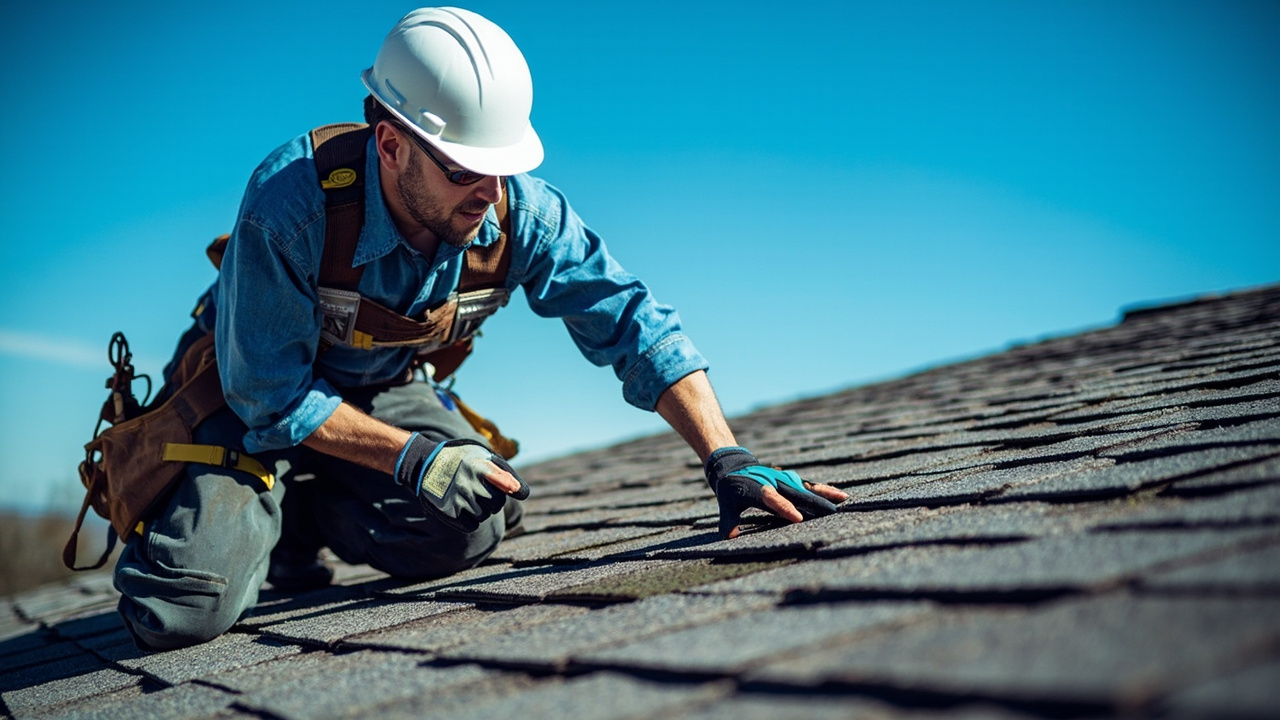
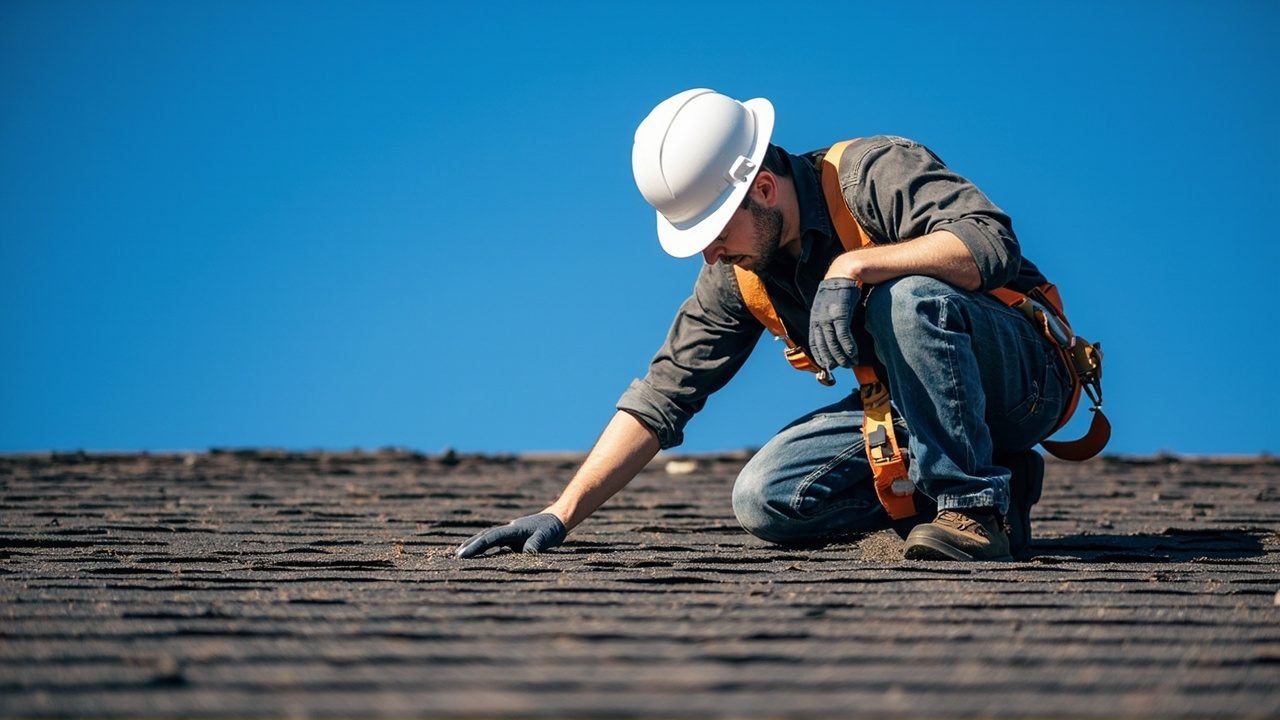
We do not sell roof layovers to homeowners who need tear-offs. Our assessment process starts with a decking inspection. We pull back shingles in multiple locations to examine the plywood or OSB sheathing. If we find soft spots, rot, or sagging, an overlay is off the table. Installing new shingles over old ones when the substrate is failing is malpractice.

Next, we measure the existing roof plane with a laser level. A flat, uniform surface can accept a second layer. A wavy or buckled surface cannot. If the existing shingles show cupping, curling, or raised edges, the new layer will telegraph those defects. You will see every ripple from the ground.

We inspect the flashing around chimneys, skylights, and valleys. A shingle overlay does not allow us to replace step flashing or install new valley liners. If your flashing is compromised, you need a tear-off. Flashing failures cause 90 percent of roof leaks. Covering bad flashing with new shingles is like painting over rust.

Ventilation is the next checkpoint. Denver's temperature swings create condensation in attics. If your roof already has inadequate ventilation, an overlay makes it worse. The second layer traps more heat, which accelerates shingle deterioration and increases cooling costs. We measure intake and exhaust vents to calculate your net free ventilation area. If it falls below code, we recommend adding vents or switching to a tear-off so we can install proper ventilation during the re-deck.

We also check your permit history. If your existing roof was installed without a permit, some Denver jurisdictions will not issue a permit for an overlay. You are forced into a tear-off to bring the structure into compliance.

Finally, we consider your long-term plans. If you are selling within five years, a roof layover might make sense. If you plan to stay, a tear-off gives you a longer-lasting roof and avoids double removal costs later.

What Happens When You Choose a Shingle Overlay in Denver

Can You Roof Over Existing Shingles in Denver? – Get the Code-Compliant Answer Before You Commit
01

Surface Preparation and Fastener Selection

We start by removing all ridge caps, damaged shingles, and loose debris from the existing layer. The surface must be clean and stable before we install the new shingles. We use longer fasteners to penetrate both shingle layers and bite into the roof deck. Standard one-inch nails will not hold. We use 1.75-inch nails to meet Denver's wind load requirements and ensure proper fastener penetration through the double thickness.
02

Shingle Installation and Pattern Alignment

We align the new shingle courses with the existing layer to avoid creating an uneven profile. If the old shingles are three-tab and you are upgrading to architectural shingles, we adjust the offset pattern to hide the old cutouts. We seal every shingle with six nails instead of four to account for the added weight and wind exposure. Denver's high winds require over-fastening when reroofing over existing shingles to prevent blow-offs.
03

Final Inspection and Warranty Documentation

After installation, we photograph the completed roof and document the overlay in your warranty paperwork. Most manufacturers void material warranties on shingle overlays, but we provide a labor warranty. We also walk you through maintenance requirements. Roof layovers require more frequent inspections because you cannot see the condition of the lower layer. We recommend annual inspections to catch problems before they spread.

Why Denver Homeowners Trust Apex Roofing Denver for Honest Overlay Assessments

Most roofing companies push overlays because they are faster and more profitable. We do the opposite. We tell you when a roof layover is a bad idea, even if it costs us the job.

Denver's building codes are strict, and enforcement varies by jurisdiction. Lakewood has different requirements than Englewood. Aurora inspectors focus on different details than Denver County inspectors. We pull permits for every job and coordinate inspections so your roof passes on the first visit. That familiarity with local code officials protects you from failed inspections and rework.

We also understand Denver's architectural diversity. A roof layover might work on a 1990s ranch in Highlands Ranch, but it is almost never appropriate for a 1920s bungalow in Congress Park. Older homes have thinner decking, undersized framing, and ventilation systems that cannot handle the added load. We account for these factors during the assessment.

Our crews work in Denver year-round. We know how to schedule jobs around temperature swings. Shingle adhesive strips require heat to seal properly. If we install shingles in January when temperatures stay below 40 degrees, the tabs will not seal. Wind can lift them before the first warm day. We use hand-sealing techniques and cold-weather adhesives to prevent blow-offs when installing a roof layover in winter.

We also prioritize honesty about shingle warranties. If you install new shingles over old ones, the manufacturer's warranty is reduced or voided. Some brands offer a limited overlay warranty, but it covers fewer defects and expires sooner. We document everything in writing so you understand exactly what protection you have.

Finally, we give you options. If your roof qualifies for an overlay but a tear-off makes more sense for your situation, we explain why. If an overlay saves you money without compromising quality, we support that decision. Our job is to give you the information you need to make the right choice for your home and budget.

What to Expect When You Call Apex Roofing Denver About a Shingle Overlay

Same-Day Inspection Scheduling

We schedule your roof assessment within 24 hours of your call. Our inspectors arrive on time, inspect the attic and roof surface, and deliver a written recommendation before they leave. If your roof qualifies for an overlay, we provide a detailed estimate that breaks out material, labor, and permit costs. If you need a tear-off, we explain why and price both options so you can compare. Most inspections take 45 minutes. You get answers the same day, not a week later after a sales pitch.

Detailed Structural and Code Assessment

We check your roof deck, flashing, ventilation, and existing shingle condition. We measure the slope, calculate the total square footage, and verify how many layers are already installed. We also review your property records to confirm permit history. If the existing roof was installed without a permit, we disclose the compliance risks before you commit. Our goal is to identify problems that could disqualify your roof from an overlay before we start work, not after we have torn into it.

A Roof That Passes Inspection

If you choose a shingle overlay, we handle the permit application and schedule the inspection. Denver requires a permit for roof layovers. Some contractors skip this step to save money. We do not. A permitted roof protects your home's resale value and keeps you compliant with city codes. After installation, we clean up every nail, shingle scrap, and debris. We use magnetic rollers to sweep your driveway and lawn for metal fragments. Your property looks better than it did before we arrived.

Clear Warranty Terms and Maintenance Guidance

We provide a written labor warranty that covers installation defects. We also explain the limitations of manufacturer warranties on roof layovers. Most shingle brands reduce coverage from 30 years to 10 years when you install new shingles over old ones. We document the overlay in your warranty paperwork and give you a maintenance checklist. We recommend annual inspections to monitor the lower shingle layer for hidden damage. Catching problems early prevents expensive repairs later.

Frequently Asked Questions

You Have Questions,
We Have Answers

Do roofers always remove old shingles? +

No, roofers do not always remove old shingles. Some opt for an overlay, which means installing new shingles directly over the existing layer. This approach saves time and reduces labor costs. However, it depends on several factors. Denver building codes allow one re-roof over existing shingles if the deck remains sound and there is only one layer present. A full tear-off is required if two layers already exist, if the decking is damaged, or if moisture problems are present. Most Denver roofers inspect the structure first to determine the best approach.

How long will a roof overlay last? +

A roof overlay typically lasts 15 to 20 years in Denver, though this varies based on material quality and climate exposure. Denver's intense UV radiation, hailstorms, and rapid temperature swings accelerate wear. Overlays generally last slightly less than a full tear-off and replacement because the underlying shingles continue aging beneath the new layer. Trapped heat between layers can shorten lifespan. Proper ventilation and quality shingles extend durability. Regular inspections help catch issues early, especially after severe weather events common along the Front Range.

Are roof overs a good idea? +

Roof overs can be a good idea in specific situations but not universally. If your existing roof has only one layer, no structural damage, and a solid deck, an overlay saves money and time. However, it adds weight to your structure and hides potential problems beneath. Denver's freeze-thaw cycles can worsen hidden moisture damage over time. A roof over works best for budget-conscious homeowners with a sound existing roof. If you plan to sell soon or have underlying issues, a full tear-off is smarter for long-term value and durability.

Is it okay to put a new roof on top of an old roof? +

Yes, it is okay to put a new roof on top of an old roof if certain conditions are met. Denver building codes permit one re-roof over existing shingles, provided the existing roof has only one layer and the decking is structurally sound. However, this approach adds extra weight and can mask underlying problems like rot or moisture damage. Denver's climate, with hail and temperature extremes, makes thorough inspections critical before choosing an overlay. If your roof already has two layers or shows signs of damage, a complete tear-off is necessary.

Is it illegal to put shingles on top of shingles? +

No, it is not illegal to put shingles on top of shingles in Denver, but strict rules apply. Local building codes allow one overlay, meaning you can install new shingles over one existing layer. If two layers already exist, a full tear-off is required before re-roofing. Adding too many layers creates excessive weight, risks structural damage, and violates code. Permits are required for re-roofing in Denver, and inspectors verify compliance. Always consult a licensed Denver roofer to confirm your roof meets code requirements before proceeding with an overlay.

How old may a roof be before insurance claims it's too old? +

Most insurance companies in Colorado consider a roof too old for full coverage when it reaches 20 to 25 years. After this point, insurers may offer only actual cash value coverage instead of full replacement cost, meaning depreciation reduces your payout. Some carriers drop coverage entirely or require roof inspections before renewal. Denver's hail exposure makes insurers cautious about older roofs. If your roof is over 15 years old, document its condition with inspections and maintenance records. This helps during claims and may improve your negotiating position with insurers.

How much does it cost to overlay a roof? +

A roof overlay in Denver typically costs 25 to 40 percent less than a full tear-off and replacement. While exact pricing varies by roof size, material choice, and complexity, you avoid dump fees and tear-off labor. However, overlays may cost you more long-term if hidden damage worsens beneath the new layer. Denver's hail risk and temperature swings can accelerate deterioration. Get multiple estimates from licensed Denver roofers who inspect your decking and existing shingles. Cheaper upfront does not always mean better value if structural issues remain unaddressed.

Is a roof overlay worth it? +

A roof overlay is worth it if your existing roof has only one layer, a solid deck, and no moisture damage. You save money and time compared to a full replacement. However, overlays hide potential problems and add weight to your structure. Denver's intense weather, including hail and freeze-thaw cycles, can worsen hidden damage over time. If you plan to stay in your home short-term or need a budget solution, an overlay works. For long-term durability and resale value, a complete tear-off is usually the better investment.

Can you overlay roof shingles? +

Yes, you can overlay roof shingles in Denver if your existing roof has only one layer and meets building code requirements. The decking must be structurally sound, and no significant moisture damage or rot can be present. Denver codes prohibit more than two total layers of shingles. An overlay saves money and reduces waste, but it adds weight and can trap heat between layers. Proper attic ventilation becomes critical to prevent premature aging. Always get a thorough inspection from a licensed Denver roofer before deciding between an overlay and full replacement.

Is there a tax credit for replacing a roof? +

Currently, there is no federal tax credit for replacing a roof with standard asphalt shingles. However, if you install energy-efficient roofing materials like metal roofing or solar shingles, you may qualify for the Residential Clean Energy Credit, which covers up to 30 percent of costs through 2032. Colorado also offers rebates for energy-efficient home improvements through Xcel Energy and other utilities. Standard re-roofing without energy upgrades does not qualify. Consult a tax professional to confirm eligibility based on your specific materials and installation. Keep all receipts and manufacturer certifications for documentation.

How Denver's Freeze-Thaw Cycles Impact Shingle Overlay Longevity

Denver experiences an average of 60 freeze-thaw cycles per year. Daytime temperatures hit 50 degrees in January, then drop to 15 degrees overnight. This cycle is harder on roofs than steady cold. Water seeps under existing shingles during the day, freezes at night, and expands. Over time, this expansion lifts shingles and creates gaps. When you install a roof layover, you trap this moisture between the two layers. The freeze-thaw damage accelerates because the water has nowhere to escape. The result is premature shingle failure, often within 10 years instead of the expected 20.

Denver roofing contractors who specialize in overlays understand these risks and adjust their recommendations accordingly. At Apex Roofing Denver, we have installed and inspected thousands of roofs across the metro area. We know which neighborhoods have older roof decking that cannot support a second layer. We know which jurisdictions enforce stricter overlay limits. That local knowledge protects you from code violations and structural problems. Choosing a contractor with deep Denver experience ensures your roof layover is done right or that you get honest advice to pursue a tear-off instead.

Roofing Services in The Denver Area

Looking for trusted roofing services near you? Apex Roofing Denver proudly serves homeowners and businesses across the greater Denver area with expert roof repairs, replacements, inspections, and storm damage restoration. From Aurora to Lakewood and Thornton to Centennial, our experienced roofing team is ready to deliver fast, dependable solutions. Use the map below to explore our service areas and find top-rated roofing help near your neighborhood.

Address:
Apex Roofing Denver, 2301 Blake St, Denver, CO, 80205

Additional Services We Offer

Our news updates

Latest Articles & News from The Blogs

Lorem ipsum dolor sit amet. Aut expedita quaerat quo eligendi numquam et laudantium perspiciatis qui minima expedita rem consequatur ducimus.…

Test Blog 4

Lorem ipsum dolor sit amet. Aut expedita quaerat quo eligendi numquam et laudantium perspiciatis qui minima expedita rem consequatur ducimus.…

Test Blog 3

Lorem ipsum dolor sit amet. Aut expedita quaerat quo eligendi numquam et laudantium perspiciatis qui minima expedita rem consequatur ducimus.…

Test Blog 2

Lorem ipsum dolor sit amet. Aut expedita quaerat quo eligendi numquam et laudantium perspiciatis qui minima expedita rem consequatur ducimus.…

Contact Us

Call Apex Roofing Denver at (720) 484-8300 to schedule your inspection. We will assess your roof, explain your options, and give you a written recommendation the same day. No pressure, just honest answers.