
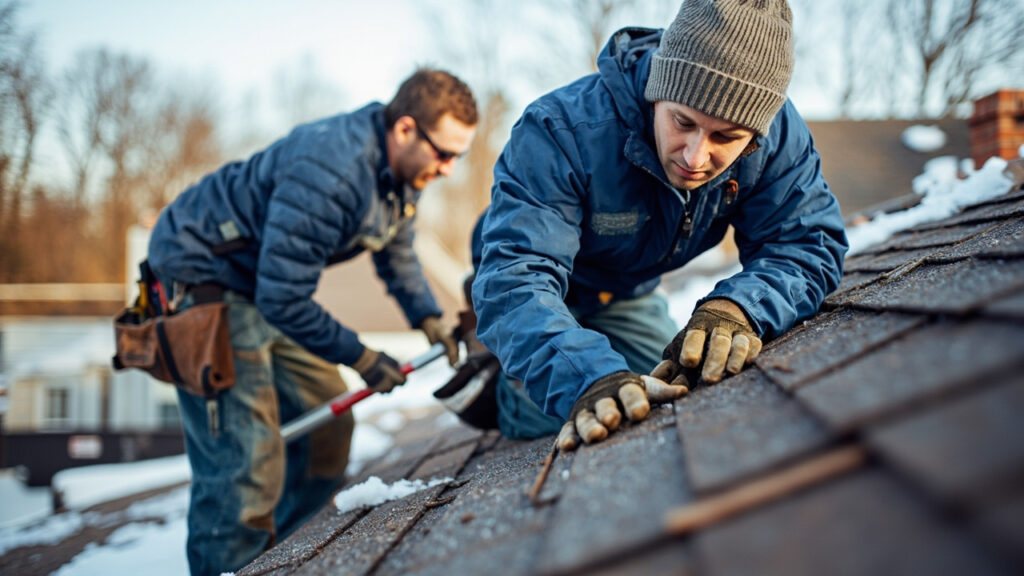
Can You Actually Replace Your Denver Roof During the Winter Months?
Denver homeowners often wonder if winter roof replacement is possible. The short answer is yes. Cold weather roofing requires specific techniques and materials but with the right contractor you can replace your roof any time of year.
Denver’s unique climate creates both challenges and opportunities for winter roofing. With 300 days of sunshine annually many winter days reach temperatures suitable for installation. The key is understanding the technical requirements and working with experienced professionals who know how to handle cold-weather conditions.
How Cold Weather Affects Roofing Materials
Asphalt shingles require temperatures above 40°F to seal properly through thermal bonding. Below this threshold shingles become brittle and the self-sealing adhesive strips won’t activate. This creates potential gaps where wind can lift shingles.
Professional winter roofers use hand-tabbing techniques to manually seal each shingle. This involves applying roofing cement under each tab creating a watertight seal that thermal bonding would normally provide. While more labor-intensive this method ensures proper installation even in cold temperatures.
Shingle storage also becomes critical in winter. Materials must stay warm before installation typically stored in a heated space or covered with thermal blankets. Cold shingles crack easily during handling leading to material waste and installation delays.
Denver’s Winter Weather Patterns
Denver winters feature rapid temperature swings. A morning at 25°F can reach 45°F by afternoon creating windows of opportunity for roofing work. The Front Range’s dry air also means snow often melts quickly after storms exposing roof decks sooner than in more humid climates.
Wind patterns affect winter roofing significantly. Denver experiences frequent Chinook winds – warm downslope winds that can raise temperatures 30-40 degrees in hours. These warming trends create ideal conditions for winter installations.
Snow load requirements in Denver follow International Building Code standards typically requiring roofs to support 30 pounds per square foot of snow weight. Winter installations must account for existing snow loads and ensure proper structural support.
Benefits of Winter Roof Replacement
Winter roofing offers several advantages that many homeowners overlook. Contractor availability increases dramatically during winter months. Summer schedules often book three months out while winter projects can start within weeks.
Material costs sometimes decrease in winter. Manufacturers and suppliers may offer off-season pricing to keep production lines moving. This can translate to savings of 5-10% on material costs.
Weather delays in winter tend to be shorter than summer delays. Summer thunderstorms can shut down work for days while winter snow typically clears within 24-48 hours in Denver’s climate.
Technical Requirements for Cold-Weather Installation
Hand-tabbing becomes the standard technique for winter installations. Each shingle requires five quarter-sized dabs of roofing cement under the tabs. This manual process takes 30-50% longer than standard installation but ensures proper sealing.
Nail guns need adjustment for cold temperatures. Compressed air density changes in cold weather requiring pressure adjustments to ensure proper nail depth. Under-driven nails create leak points while over-driven nails damage shingles.
Ice and water shield application becomes more critical in winter. This waterproof underlayment prevents ice damming damage. Denver building codes require ice and water shield extending 24 inches past interior walls in most residential applications.
Denver Building Code Requirements
Denver follows the 2021 International Building Code with local amendments. Winter installations must comply with all standard requirements plus additional cold-weather considerations.
Ice and water shield requirements vary by neighborhood. Homes in Sheridan and Englewood near the South Platte River may need enhanced protection due to higher moisture levels. Westminster and Northglenn properties at higher elevations require additional wind resistance.
Ventilation requirements remain constant year-round. Proper attic ventilation prevents ice dam formation and ensures shingle longevity. Winter installations must verify existing ventilation meets code requirements.
Safety Considerations for Winter Roofing
Winter roofing safety requires additional precautions. Snow and ice on roof decks create slip hazards. Professional crews use specialized footwear with enhanced traction and safety harnesses even on single-story homes.
Material handling becomes more challenging in cold weather. Shingles weigh more when cold and become more brittle. Crews need additional personnel for material transport and must work at a measured pace to prevent damage.
Equipment maintenance requirements increase. Nail guns need more frequent cleaning in cold dry air. Ladders require additional stabilization on frozen ground. All equipment must be rated for cold-weather operation.
Comparing Winter vs. Summer Installation
| Factor | Winter Installation | Summer Installation |
|---|---|---|
| Wait Time | 2-4 weeks | 8-12 weeks |
| Daily Work Hours | 7-9 hours | 10-12 hours |
| Material Cost | Often lower | Standard |
| Sealing Method | Hand-tabbing required | Self-sealing |
| Weather Delays | Often shorter | Often longer |
Emergency Winter Roof Repair vs. Full Replacement
Determining whether to repair or replace during winter depends on several factors. Active leaks requiring immediate attention often necessitate temporary repairs until spring. However extensive damage or aging roofs may require full replacement despite winter conditions.
Water damage assessment becomes more challenging in winter. Snow cover hides existing damage requiring careful inspection once areas clear. Thermal imaging helps identify moisture intrusion points that aren’t visible to the naked eye.
Structural integrity concerns increase in winter. Snow load adds weight to compromised structures. Any replacement must account for existing loads and ensure the new roof can handle winter conditions immediately upon installation.
Best Practices for Winter Roofing Projects
Project planning becomes more critical in winter. Weather monitoring helps crews maximize productive days. Having materials staged and ready prevents delays when good weather windows appear.
Communication with homeowners increases during winter projects. Regular updates about weather impacts and schedule changes help manage expectations. Emergency contact procedures ensure quick response to any issues.
Quality control measures become more rigorous in winter. Additional inspections verify hand-tabbing quality and ensure all seals meet manufacturer specifications. Documentation of cold-weather installation techniques helps with future warranty claims.
Choosing the Right Winter Roofing Contractor
Not all roofing contractors have winter experience. Look for companies with documented cold-weather projects and specific winter installation training. Ask about their hand-tabbing techniques and material handling procedures.
Insurance requirements become more critical in winter. Verify contractors carry adequate liability coverage for winter operations. Worker’s compensation becomes even more important given increased slip and fall risks.
References specific to winter projects provide valuable insight. Ask to see completed winter installations and speak with homeowners about their experiences. Winter work quality often differs significantly from summer capabilities.
Cost Factors for Winter Replacement
Winter roofing costs vary based on several factors. Hand-tabbing increases labor costs by 15-25% compared to standard installation. However reduced demand may offset these increases through lower material pricing.
Project duration typically extends 20-30% in winter due to shorter daylight hours and weather considerations. This affects both labor costs and project management expenses.
Emergency winter services command premium pricing. After-hours repairs during winter storms may cost 50-100% more than scheduled work. Planning ahead helps avoid these premium rates.
Material Selection for Cold Weather
Some shingle types perform better in cold weather than others. SBS modified shingles remain more flexible in cold temperatures reducing cracking risks during installation. These rubberized shingles cost 15-20% more but offer better cold-weather performance.
Underlayment selection becomes critical in winter. Synthetic underlayments perform better than felt in cold wet conditions. Some products offer enhanced slip resistance for winter installation safety.
Flashing materials must remain flexible in cold weather. Aluminum and copper flashings work better than galvanized steel in winter conditions. Proper sealing of all penetrations prevents winter-specific leak issues.
Denver Neighborhoods and Winter Roofing
Different Denver neighborhoods present unique winter roofing challenges. Sheridan and Englewood homes near the South Platte River experience more moisture and potential ice damming. Westminster and Northglenn properties at higher elevations face stronger winds and colder temperatures.
Historic districts may have additional requirements. Older homes in areas like Washington Park often need specialized flashing techniques to maintain architectural integrity while ensuring winter performance.
Newer developments in suburbs like Thornton may have different building code requirements than established neighborhoods. Always verify local requirements before starting winter projects.
Long-term Performance Considerations
Winter-installed roofs can perform as well as summer installations when proper techniques are used. The key is ensuring all seals are properly made and materials are correctly handled throughout the process.
Warranty considerations vary by manufacturer. Some void warranties if installation occurs below certain temperatures without specific approval. Always verify manufacturer requirements before proceeding.
Maintenance requirements may increase slightly for winter installations. More frequent inspections during the first year help identify any issues with hand-sealed areas before they become problems.
Frequently Asked Questions
What temperature is too cold for roof replacement?
Most manufacturers recommend installation above 40°F for standard self-sealing shingles. Below this temperature hand-tabbing becomes necessary. Some modified shingles can install at lower temperatures with proper techniques.
How long does winter roof replacement take?
Typical residential replacements take 2-3 days in winter versus 1-2 days in summer. Weather delays can extend this timeline. Most projects complete within 1-2 weeks including weather considerations.
Will my winter roof leak?
Properly installed winter roofs perform as well as summer installations. Hand-tabbing ensures all seals are made even when thermal bonding won’t activate. Quality contractors provide specific winter installation warranties.
Are winter roofing costs higher?
Winter installations typically cost 5-15% more due to hand-tabbing labor and potential weather delays. However off-season pricing on materials and reduced demand may offset these increases.
Can I wait until spring for my roof replacement?
You can wait if there’s no active leak or structural damage. However winter pricing and availability advantages often make immediate replacement more cost-effective than waiting.
Making Your Winter Roofing Decision
Winter roof replacement in Denver is not only possible but often advantageous. The key is working with experienced contractors who understand cold-weather techniques and Denver’s specific climate challenges.
Consider your specific situation carefully. Active leaks or structural damage require immediate attention regardless of season. For planned replacements winter’s advantages in pricing and availability often outweigh the slight increase in installation complexity.
Don’t let winter weather prevent you from addressing roofing issues. With proper planning and the right contractor you can have a quality roof installed any time of year in Denver’s climate.
Ready to discuss your winter roofing options? Contact our team for a free assessment and learn how we can help you replace your roof safely and efficiently even during Denver’s coldest months.