





Menu

Built-Up Roofing in Denver – Industrial-Grade Protection That Keeps Your Business Running

Multi-ply asphalt built-up roofing systems engineered for Denver's commercial properties, delivering decades of proven performance with minimal downtime and maximum ROI for warehouses, retail centers, and industrial facilities across the metro.

Slider Image 1
Slider Image 2
Slider Image 3
Slider Image 4
Slider Image 5
Slider Image 7
Slider Image 8
Slider Image 9
Slider Image 10
Slider Image 11

Why Denver's Commercial Buildings Demand BUR Roofing Systems

Denver's commercial properties face weather extremes that destroy inferior roofing systems. The 300 days of intense UV exposure combine with sudden temperature swings from winter freezes to summer heat, creating expansion and contraction cycles that crack single-ply membranes and compromise roof integrity. Add the occasional hailstorm rolling off the Front Range, and you have conditions that demand bulletproof roofing.

Built-up roofing systems handle this punishment better than any alternative. The multi-ply construction creates redundancy. If one layer develops a weakness, three more layers protect your building envelope. Tar and gravel roofing provides ballast that resists Denver's high-altitude wind loads, which can exceed 90 mph during downslope events. The aggregate surface reflects UV radiation and protects the asphalt layers underneath from degradation.

For commercial property managers and building owners in Denver's RiNo District, Park Hill, or along the I-25 corridor, roof failure means business interruption. Water intrusion damages inventory, shuts down operations, and triggers insurance claims that spike premiums. Commercial built-up roofs eliminate that risk with proven durability that outlasts TPO and EPDM installations by 10 to 15 years. The layered construction of BUR roofing systems creates a waterproof barrier that handles ponding water on low-slope roofs, a common issue in Denver's commercial buildings where inadequate drainage meets occasional heavy snowmelt. This is not residential patching. This is industrial-grade protection engineered for buildings where downtime costs thousands per hour.

Why Denver's Commercial Buildings Demand BUR Roofing Systems
How Apex Roofing Denver Installs Commercial Built-Up Roofs

How Apex Roofing Denver Installs Commercial Built-Up Roofs

Asphalt built-up roofing requires precision and experience. We do not cut corners. Every installation starts with substrate evaluation. We inspect the roof deck for structural integrity, moisture content, and load-bearing capacity. Denver's older commercial buildings often have wood decks that need reinforcement before we add the weight of a multi-ply system. Newer steel deck construction requires different base sheet attachment methods to prevent thermal bridging.

We install a base sheet mechanically fastened or fully adhered to the substrate, depending on deck type and building codes. Then we apply interply bitumen, heating it to the correct viscosity for proper adhesion between plies. Temperature matters. Too hot, and you burn through the felts. Too cold, and you get poor bonding that allows water migration between layers. We monitor kettle temperatures continuously and adjust for Denver's elevation, where water boils at 202 degrees instead of 212, affecting bitumen performance.

Each ply consists of fiberglass-reinforced felt saturated with asphalt, creating a waterproof membrane. We stagger the seams and overlap edges by specific measurements to prevent water infiltration. The final flood coat of hot asphalt gets topped with gravel aggregate, typically 400 pounds per square. This ballast protects the asphalt from UV damage and provides fire resistance, meeting Class A fire ratings required by Denver building codes for commercial structures.

We handle flashing details at parapets, penetrations, and expansion joints with precision. These transition points cause 80% of commercial roof leaks. We use metal counterflashing, cant strips, and additional bitumen layers to create watertight seals that flex with building movement. Our crews understand how Denver's freeze-thaw cycles stress these connections and engineer details accordingly.

What Happens During Your BUR Installation

Built-Up Roofing in Denver – Industrial-Grade Protection That Keeps Your Business Running
01

Site Assessment and Planning

We conduct a structural analysis of your existing roof deck, measure for materials, and evaluate access points for equipment. Our team reviews building occupancy schedules to minimize disruption to your operations. We coordinate with property management to schedule deliveries, establish safety perimeters, and arrange for temporary weather protection if sections of the existing roof require removal before installation begins. You receive a detailed project timeline with daily milestones.
02

Multi-Ply System Installation

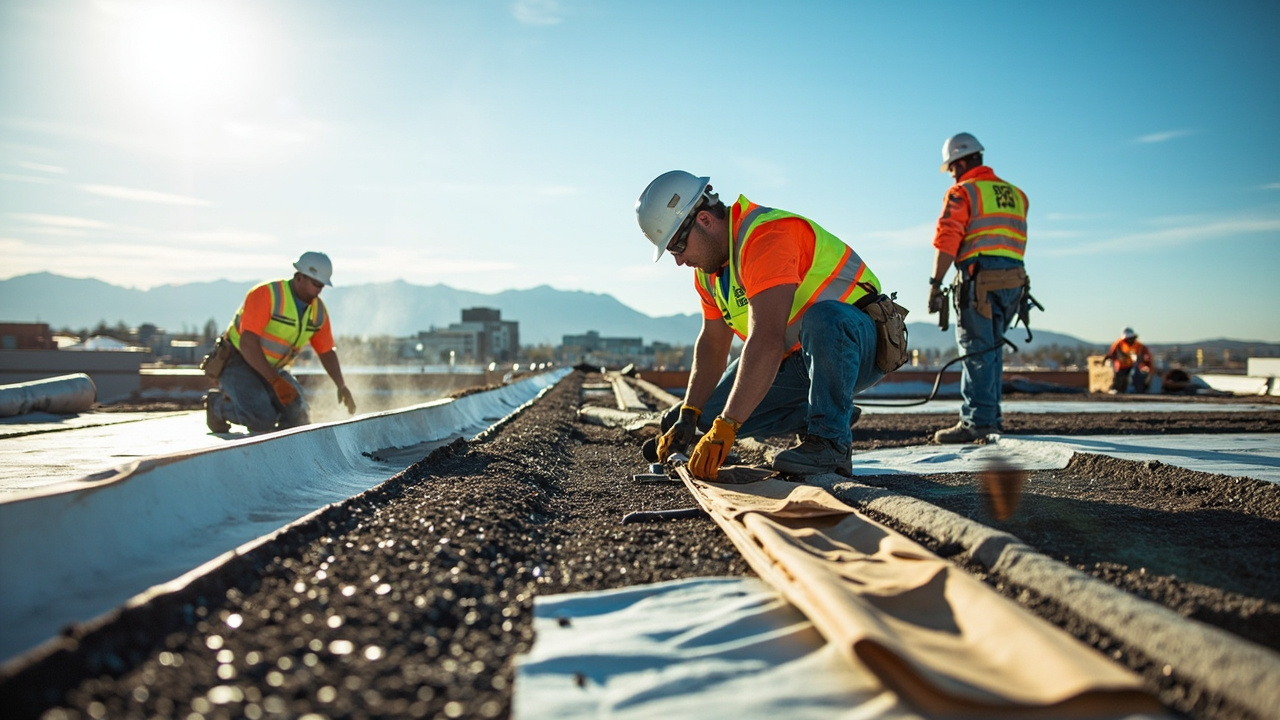
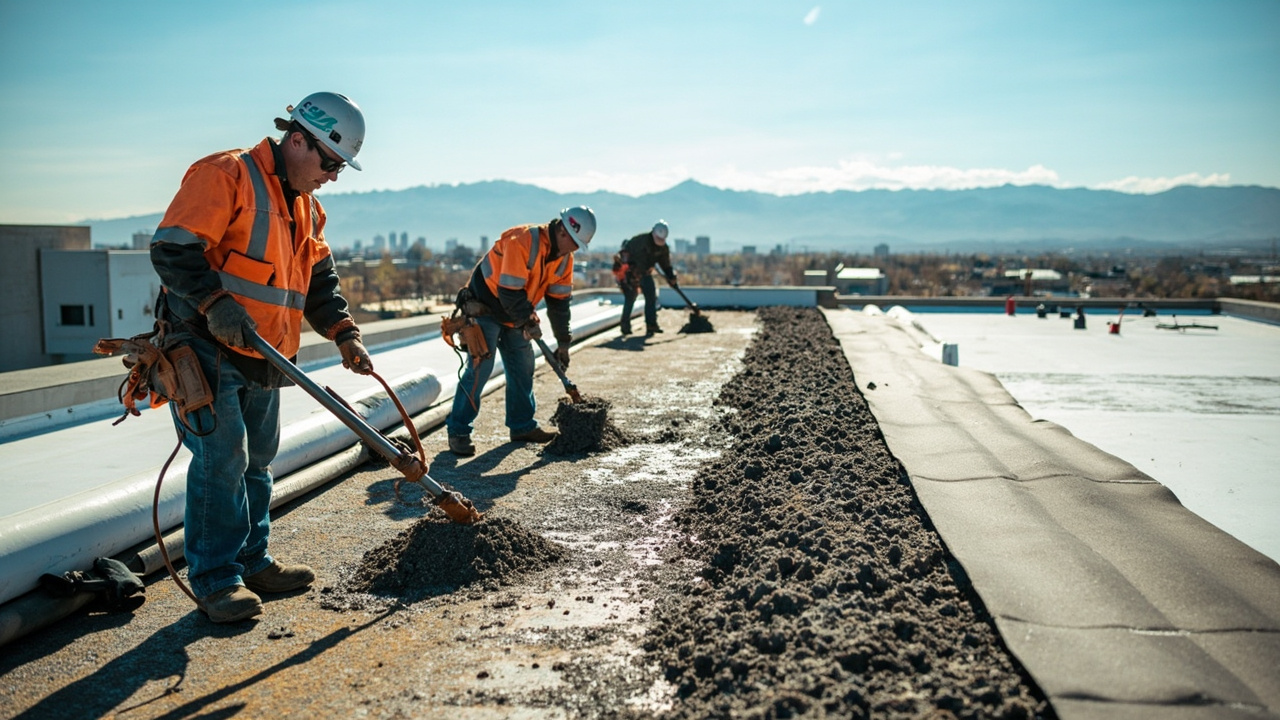
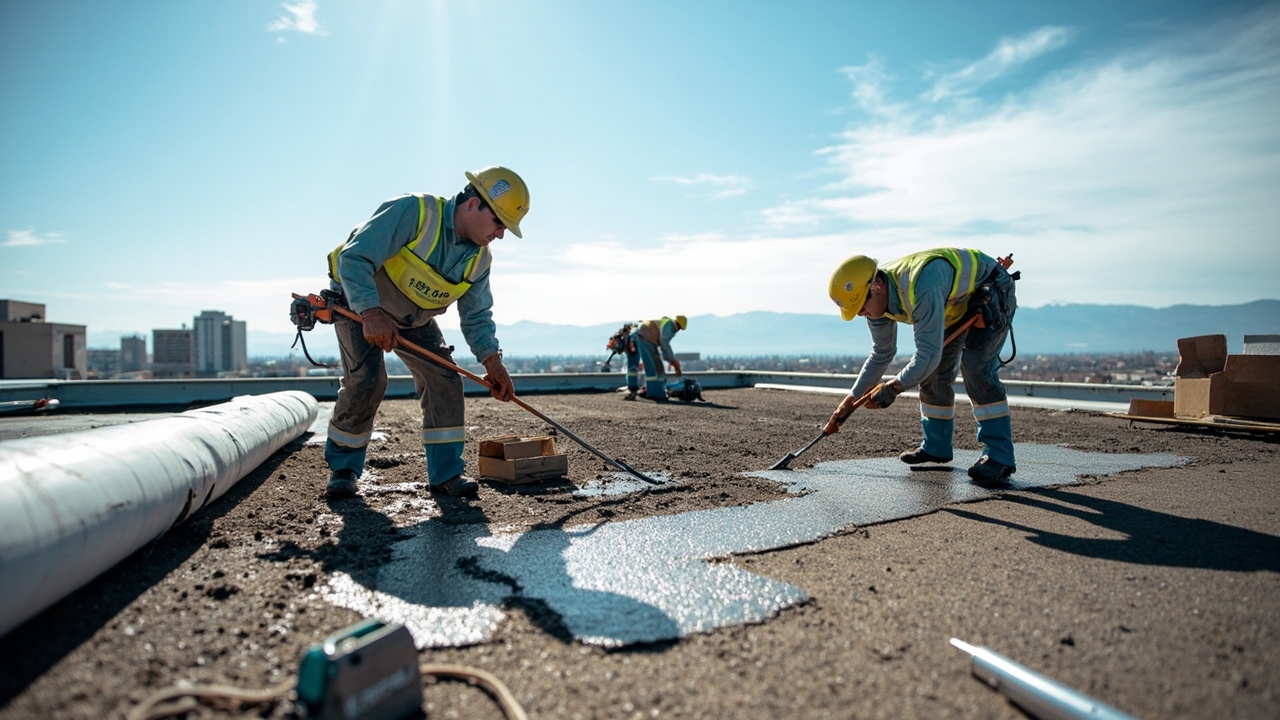
Our crew mobilizes equipment, including kettles for heating asphalt, and begins layering the built-up roof system. We install base sheets, apply hot bitumen, and embed reinforced felts in sequence, building up three to five plies depending on your specifications. Each layer receives quality checks for proper adhesion and coverage. We work in sections to maintain building protection, never leaving exposed areas vulnerable to weather. Gravel ballast goes down as the final protective layer.
03

Final Inspection and Handoff

We complete all flashing details, clean the work site, and conduct a comprehensive inspection of the finished roof surface. You receive documentation of materials used, installation photos, and maintenance guidelines. Our team walks the roof with you or your facility manager to explain drainage patterns, identify access points, and mark penetrations. We provide a maintenance schedule that extends the life of your commercial built-up roof and keeps the system performing at peak efficiency for decades.

Why Commercial Property Owners Choose Apex Roofing Denver

Denver commercial roofing demands local knowledge. We understand that buildings in LoDo face different challenges than warehouses in Commerce City. Historic structures in Capitol Hill require specialized approaches that respect architectural integrity while meeting modern building codes. Our crews know Denver's inspection requirements, permit processes, and the specific amendments to International Building Code that apply in this jurisdiction.

We handle projects ranging from 5,000-square-foot retail buildings to 200,000-square-foot industrial facilities. Our equipment capacity and crew size scale to match your project timeline. When you need a roof replacement completed during a holiday closure to avoid disrupting retail operations, we mobilize the resources to make it happen. When you need phased installation to keep a manufacturing facility operational, we sequence the work accordingly.

Apex Roofing Denver maintains relationships with commercial property management companies, real estate investment trusts, and facilities directors across the metro area. We provide detailed specifications for bid packages, work with architects on design-build projects, and coordinate with general contractors on new construction. Our estimating process accounts for Denver-specific cost factors like high-altitude equipment performance, seasonal labor availability, and material lead times affected by Front Range weather.

We document every installation with photos, material certifications, and as-built drawings. When you sell the property or refinance, you have complete records. When your insurance carrier requests proof of roof maintenance, you have documentation. When a tenant reports a leak, we have installation details that speed diagnosis. This is how commercial roofing should work. No surprises. No excuses. Just professional execution that protects your investment and keeps your business operating.

What to Expect from Your Commercial Roofing Project

Project Timeline and Scheduling

Most commercial built-up roof installations take one to three weeks, depending on building size and weather conditions. We provide a detailed schedule before work begins, outlining daily activities and potential weather delays. Our project managers communicate progress daily and adjust timelines if conditions change. We understand that your business cannot stop for roofing work. We schedule deliveries during off-hours, contain noise to minimize disruption, and maintain access to loading docks and entrances. You receive 48-hour advance notice before any work that affects building operations or requires temporary shutdowns of HVAC equipment.

Pre-Installation Roof Inspection

Before installation, we conduct a thorough structural evaluation using infrared scanning to detect moisture in the existing roof assembly and core samples to assess deck condition. We measure roof slope, identify drainage problems, and evaluate the condition of existing flashing and penetrations. You receive a written report detailing our findings, with photos and recommendations for any structural repairs needed before the new BUR system goes down. This inspection prevents surprises during tear-off and ensures the roof deck can support the weight of a multi-ply built-up roof. We coordinate this assessment with your insurance carrier if you are filing a claim for storm damage.

System Performance and Durability

A properly installed tar and gravel roof lasts 25 to 35 years in Denver's climate, outlasting single-ply membranes that degrade under UV exposure and thermal cycling. The multi-ply construction handles foot traffic from HVAC maintenance crews without damage. The gravel surface resists hail impact better than smooth membranes that puncture under sharp hits. Your roof handles ponding water without deterioration, a critical factor for low-slope commercial buildings where drainage issues develop over time. The system requires minimal maintenance compared to other roofing types. Annual inspections and occasional gravel replenishment keep it performing at peak efficiency for decades.

Post-Installation Support and Maintenance

We provide a comprehensive maintenance plan tailored to your built-up roofing system. This includes biannual inspections to check for gravel displacement, flashing condition, and drainage performance. We clear drains and scuppers, reseal penetrations as needed, and address minor issues before they become major problems. Our maintenance program extends roof life and protects your investment. You receive detailed inspection reports with photos documenting roof condition over time. This documentation proves proper maintenance to insurance carriers and potential buyers. Emergency service is available when unexpected leaks occur, with response times measured in hours, not days. We maintain detailed records of your roof system and building-specific details that speed future repairs.

Frequently Asked Questions

You Have Questions,
We Have Answers

What does built-up roofing mean? +

Built-up roofing is a multi-layer flat roofing system constructed from alternating layers of bitumen and reinforcing fabrics. You apply hot asphalt or coal tar between layers of felt or fiberglass mats, building up the membrane to create a durable, waterproof barrier. The system finishes with a top layer of gravel or a reflective coating. Commercial buildings in Denver use built-up roofing because it handles thermal cycling well, resists ponding water, and withstands the city's intense UV exposure at 5,280 feet elevation. The redundancy of multiple layers provides reliable protection for low-slope commercial applications.

What is another name for built up roofing? +

Built-up roofing goes by several names in the commercial roofing industry. The most common term is BUR. You will also hear it called tar and gravel roofing or aggregate roofing, referencing the gravel surface finish. Some contractors refer to it as conventional roofing because it predates single-ply membranes. The hot mop or hot tar roof designation comes from the installation method using heated bitumen. All these terms describe the same multi-layer system. In Denver's commercial sector, BUR remains standard terminology when specifying roof systems for warehouses, industrial facilities, and older commercial buildings.

What is the life expectancy of a built up roof? +

A properly installed built-up roof lasts 20 to 30 years in Denver's climate. The lifespan depends on the number of plies, maintenance quality, and exposure conditions. Denver's high altitude increases UV degradation, which shortens roof life compared to sea-level installations. Regular inspections catch membrane splits and gravel displacement before they compromise the system. Buildings with good drainage and minimal foot traffic reach the upper end of that range. Deferred maintenance accelerates failure. The temperature swings Denver experiences, from subzero winters to 90-degree summers, stress the bitumen layers and impact longevity.

What is the difference between TPO and built up roofing? +

TPO is a single-ply thermoplastic membrane installed in one layer. Built-up roofing uses multiple layers of bitumen and felt to create redundancy. TPO sheets are heat-welded at seams, creating a monolithic surface. BUR relies on adhesion between bitumen layers. TPO reflects heat, reducing cooling costs for Denver commercial buildings. Built-up roofing absorbs heat but provides superior puncture resistance and proven longevity. TPO installs faster with less labor cost. BUR requires specialized equipment and skilled crews. For Denver warehouses needing durability over aesthetics, built-up roofing handles heavy equipment traffic better than TPO membranes.

Can you repair a built-up roof? +

Yes, you can repair a built-up roof effectively. Small membrane splits and blisters respond well to patch repairs using compatible bitumen and reinforcing fabric. You cut out damaged sections, clean the area, and install new felt layers with hot asphalt. Gravel displacement requires recoating and aggregate replacement. Denver's freeze-thaw cycles cause specific failure patterns that repair crews address routinely. Extensive cracking or widespread alligatoring indicates the roof needs replacement rather than repair. For commercial buildings managing capital expenditures, targeted repairs extend roof life 5 to 10 years when the base system remains sound.

Why do insurance companies not like flat roofs? +

Insurance companies view flat roofs as higher risk because water pools instead of shedding quickly. Ponding water accelerates membrane deterioration and increases leak probability. Flat roofs require more maintenance than pitched systems, raising claim frequency. In Denver, snow accumulation on flat commercial roofs creates load concerns and ice dam potential. Insurers factor in shorter lifespans and higher replacement costs when underwriting policies. Some carriers limit coverage or increase premiums for buildings with flat roofs over 20 years old. Proper drainage design and documented maintenance records help offset these concerns during policy negotiations.

How many layers is a built-up roof? +

A built-up roof typically has three to five layers, though the number varies by specification. Each ply consists of reinforcing felt or fiberglass mat embedded in bitumen. A three-ply system provides basic protection for low-traffic roofs. Four-ply and five-ply configurations add redundancy for Denver commercial buildings needing enhanced durability. The base sheet attaches to the roof deck, intermediate plies build thickness, and a final flood coat with gravel completes the assembly. More plies increase weight, cost, and longevity. Your structural engineer confirms the deck can handle the added load before specifying additional layers.

What are the three types of roofing? +

The three main roofing categories are steep-slope, low-slope, and flat systems. Steep-slope roofs use shingles, tiles, or metal panels on pitches above 3:12. Low-slope roofs between 2:12 and 3:12 use modified bitumen or specialized shingles. Flat roofs under 2:12 require membrane systems like built-up roofing, TPO, or EPDM. Denver commercial construction predominantly uses flat and low-slope systems for warehouses and retail centers. Each category addresses specific drainage requirements and structural limitations. The roof pitch determines which materials meet building code and perform reliably in Denver's climate conditions.

Is a mod bit better than a built-up roof? +

Modified bitumen and built-up roofing both perform well, but serve different needs. Mod bit installs faster with torch application or cold adhesive, reducing labor costs. Built-up roofing provides more redundancy through multiple plies, improving puncture resistance. Mod bit offers better flexibility in Denver's temperature extremes, reducing thermal stress cracking. BUR handles ponding water more effectively on imperfectly drained roofs. For commercial facilities with rooftop equipment requiring frequent access, built-up roofing withstands foot traffic better. Mod bit suits projects with tight schedules. The choice depends on building use, budget, and long-term maintenance capabilities.

How old may a roof be before insurance claims it's too old? +

Most insurance carriers scrutinize roofs over 20 years old, though policies vary. Some insurers deny coverage or require inspection reports for roofs approaching 15 years. Denver's climate accelerates aging, so carriers adjust thresholds based on local conditions. Built-up roofs with documented maintenance records sometimes receive coverage beyond 20 years. Carriers may offer actual cash value policies instead of replacement cost coverage for older roofs. Commercial property policies differ from residential requirements. Before renewal, obtain a professional roof assessment to address deficiencies. Proactive replacement avoids coverage gaps and maintains property insurability during Denver's competitive commercial real estate market.

How Denver's Elevation and Climate Impact Commercial Built-Up Roofs

Denver sits at 5,280 feet, where atmospheric pressure is 17% lower than at sea level. This affects how asphalt built-up roofing systems cure and perform. Lower air pressure means solvents evaporate faster during installation, changing working time for hot bitumen application. UV radiation intensity increases roughly 8% per 1,000 feet of elevation, accelerating breakdown of unprotected asphalt. The gravel ballast on tar and gravel roofing becomes more critical here than in lower elevations because it shields the asphalt layers from this increased UV exposure. Temperature swings from 20 degrees at night to 70 degrees during the day create expansion and contraction stress that inferior roofing systems cannot handle. Multi-ply construction absorbs this movement without cracking.

Denver amended the International Building Code with specific requirements for commercial roofing wind uplift ratings. Buildings in exposed locations require higher-rated systems to resist downslope wind events. Our installations meet or exceed these local code requirements, ensuring your built-up roof passes inspection and performs as engineered. We maintain relationships with Denver building inspectors and understand the documentation they require for permit approval. Local expertise matters when navigating code compliance, especially for properties in historic districts like Curtis Park or Five Points where additional restrictions apply. Choosing a roofing contractor familiar with Denver's specific regulations prevents costly delays and ensures your project meets all jurisdictional requirements.

Roofing Services in The Denver Area

Looking for trusted roofing services near you? Apex Roofing Denver proudly serves homeowners and businesses across the greater Denver area with expert roof repairs, replacements, inspections, and storm damage restoration. From Aurora to Lakewood and Thornton to Centennial, our experienced roofing team is ready to deliver fast, dependable solutions. Use the map below to explore our service areas and find top-rated roofing help near your neighborhood.

Address:
Apex Roofing Denver, 2301 Blake St, Denver, CO, 80205

Additional Services We Offer

Our news updates

Latest Articles & News from The Blogs

Lorem ipsum dolor sit amet. Aut expedita quaerat quo eligendi numquam et laudantium perspiciatis qui minima expedita rem consequatur ducimus.…

Test Blog 4

Lorem ipsum dolor sit amet. Aut expedita quaerat quo eligendi numquam et laudantium perspiciatis qui minima expedita rem consequatur ducimus.…

Test Blog 3

Lorem ipsum dolor sit amet. Aut expedita quaerat quo eligendi numquam et laudantium perspiciatis qui minima expedita rem consequatur ducimus.…

Test Blog 2

Lorem ipsum dolor sit amet. Aut expedita quaerat quo eligendi numquam et laudantium perspiciatis qui minima expedita rem consequatur ducimus.…

Contact Us

Your building deserves a roof system engineered for Denver's demands. Call Apex Roofing Denver at (720) 484-8300 for a detailed assessment of your commercial property. We provide transparent pricing, realistic timelines, and installations that protect your business for decades.