





Menu

Blistering Shingles in Denver – Expert Diagnosis and Permanent Repair Solutions

Apex Roofing Denver specializes in identifying the root cause of asphalt shingle blisters and roof bubbles, delivering targeted repairs that prevent moisture infiltration and extend your roof's lifespan across the Mile High City.

Slider Image 1
Slider Image 2
Slider Image 3
Slider Image 4
Slider Image 5
Slider Image 7
Slider Image 8
Slider Image 9
Slider Image 10
Slider Image 11

Why Shingle Blisters Form on Denver Roofs

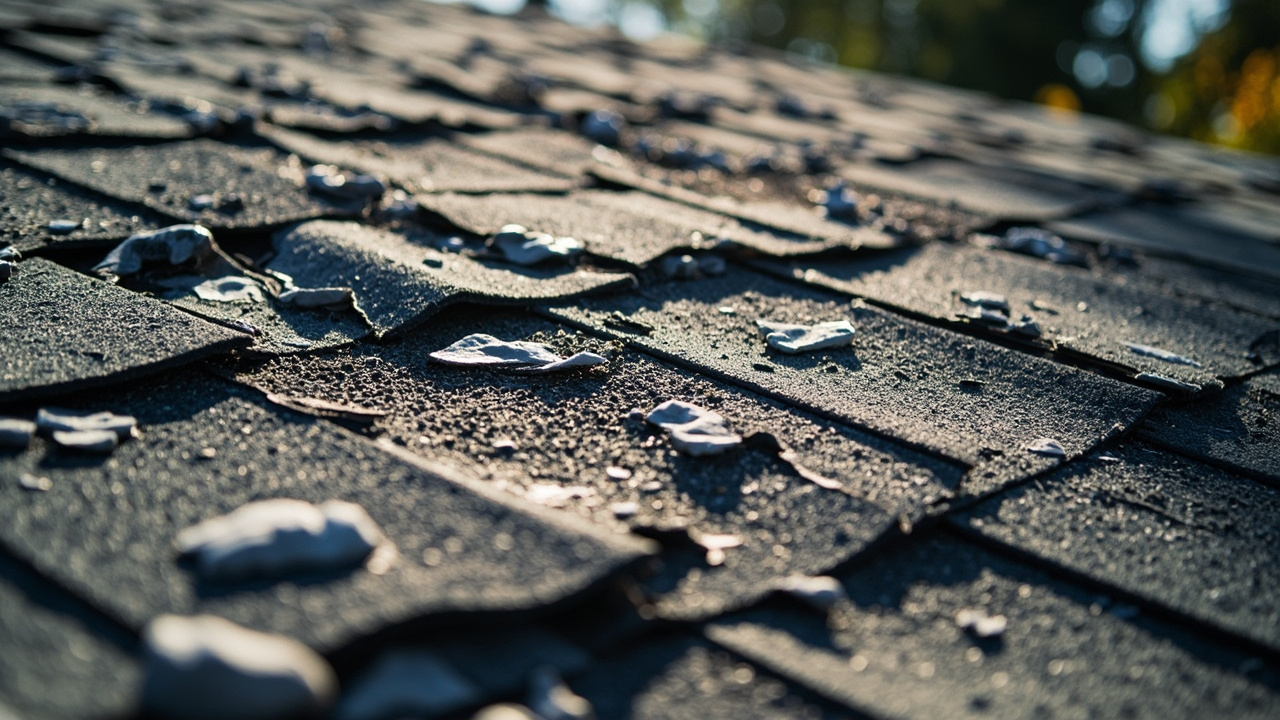
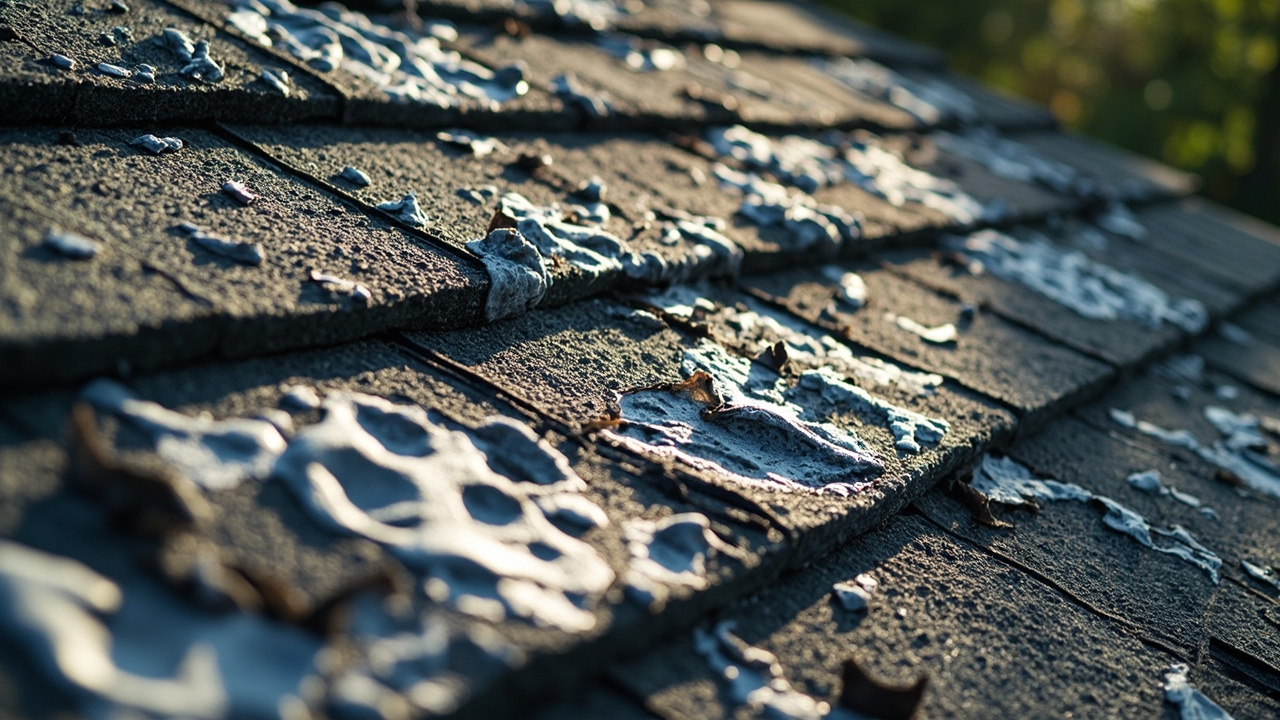
You notice raised bubbles on your roof shingles. They look like water-filled pockets or heat blisters scattered across the surface. This is not cosmetic damage. Bubbling roof shingles are a warning sign of trapped moisture, poor ventilation, or manufacturing defects that compromise your roof's waterproofing layer.

Denver's intense UV exposure and extreme temperature swings accelerate this problem. Summer heat in the Mile High City can push attic temperatures above 150 degrees. When moisture gets trapped between shingle layers during installation or from condensation buildup, that heat creates pressure. The result is asphalt shingle blisters that rupture, exposing the underlying mat to water penetration.

Roof blisters start small but grow larger with each freeze-thaw cycle. Denver experiences over 240 days of sunshine annually, which means constant thermal expansion and contraction. Once a blister breaks open, water seeps into the decking. You might see interior stains months later, but the damage starts the moment that first shingle bubble forms.

Homeowners in neighborhoods like Cherry Creek and Washington Park often mistake blisters for hail damage. The difference is critical. Hail creates divots and granule loss. Blisters create raised, fluid-filled pockets. Understanding what caused the blistering determines whether you need spot repairs, ventilation upgrades, or full shingle replacement. Ignoring heat blisters on shingles leads to rotted decking, mold growth in insulation, and compromised structural integrity.

Why Shingle Blisters Form on Denver Roofs
How We Fix Blistering Shingles the Right Way

How We Fix Blistering Shingles the Right Way

Most contractors treat bubbling roof shingles as a surface issue. They patch the visible damage and leave. That approach fails because it ignores the underlying cause. We start with thermal imaging to identify hot spots and moisture pockets invisible to the naked eye. This technology reveals whether your attic ventilation is adequate or if soffit vents are blocked by insulation.

Next, we inspect the shingle installation itself. Were the shingles installed over wet decking? Was the adhesive strip activated properly? Did the manufacturer use substandard asphalt blends? These questions matter because they determine repair strategy. If ventilation caused the blistering, we add ridge vents or upgrade intake vents at the eaves. If installation moisture is the culprit, we remove and replace affected sections with proper drying time.

Denver's altitude creates unique challenges. At 5,280 feet, lower atmospheric pressure affects how shingles seal. The adhesive strips require more direct sunlight exposure to bond correctly. We account for this by timing repairs during optimal weather windows and using high-altitude installation techniques that most residential crews skip.

For widespread blistering, we evaluate whether your current shingle system is appropriate for Denver's climate. Three-tab shingles are more prone to blistering than architectural shingles with heavier mat construction. We provide side-by-side comparisons showing how upgraded materials perform under sustained UV exposure and temperature extremes. The goal is not just fixing today's problem but preventing recurrence for the next 20 years.

What Happens During a Blister Repair

Blistering Shingles in Denver – Expert Diagnosis and Permanent Repair Solutions
01

Diagnostic Roof Inspection

We conduct a full roof assessment using moisture meters and thermal cameras to map every blister location. This reveals whether damage is localized or systemic. We document granule loss, check flashing integrity, and measure attic ventilation ratios. You receive a detailed report with photos showing exactly what failed and why, plus recommendations ranked by priority and budget impact.
02

Targeted Blister Removal

Our crew removes damaged shingles without disturbing surrounding areas. We inspect the underlayment and decking for water staining or soft spots. If moisture penetrated the roof deck, we replace compromised plywood sections and allow proper drying time. We never patch over wet materials. New shingles are installed using manufacturer-specified nail patterns and sealed with roofing cement designed for high-altitude applications.
03

Ventilation Optimization

We verify your attic has balanced intake and exhaust ventilation using industry-standard calculations. Many Denver homes lack adequate soffit vents or have ridge vents that are too short. We add passive ventilation components where needed to eliminate heat buildup. Proper airflow keeps attic temperatures within 10 degrees of outside air, which stops future blistering. You get a ventilation diagram showing airflow paths and temperature differentials.

Why Denver Homeowners Trust Our Blister Repairs

Apex Roofing Denver has repaired blistering shingles across every neighborhood from Stapleton to Highlands Ranch. We understand how Denver's unique climate stresses roofing systems in ways that contractors from lower elevations miss. Our crews are trained in high-altitude installation standards that account for reduced atmospheric pressure and extreme diurnal temperature shifts.

We do not upsell unnecessary replacements. If your blistering is confined to a south-facing slope with poor ventilation, we fix that section and upgrade airflow. If manufacturing defects caused widespread failure, we help you file warranty claims and coordinate with suppliers. Our diagnostic approach saves you money by targeting the actual problem rather than recommending a full tear-off when spot repairs will last another decade.

Local building codes in Denver require specific ventilation ratios and fire-rated materials in wildfire hazard zones. We stay current with amendments to the Denver Building and Fire Code, which many national roofing chains ignore. Our permits pass inspection the first time because we know what city inspectors look for when evaluating shingle repairs and ventilation upgrades.

You also get transparency. We explain the difference between cosmetic blistering that affects appearance versus structural blistering that threatens waterproofing. Some blisters never rupture and require monitoring rather than immediate repair. We provide honest assessments that prioritize your roof's function over our profit margin. That reputation has made us the go-to contractor for insurance adjusters who need accurate damage evaluations and reliable repairs.

What to Expect During Your Repair

Fast Scheduling and Completion

We schedule diagnostic inspections within 48 hours of your call. Most blister repairs take one to two days depending on the extent of damage and weather conditions. We avoid working during temperature extremes that prevent proper shingle adhesion. For larger projects requiring ventilation upgrades, we complete work in three to five days. You receive daily progress updates and photo documentation showing each phase of the repair process.

Thorough Damage Assessment

Our inspection goes beyond the visible blisters. We check every layer from shingles to decking, looking for hidden moisture damage that could cause future failures. We test attic insulation for compression or water staining. We verify that bathroom and kitchen exhaust fans vent outside rather than into the attic space. You get a written report explaining what caused the blistering, what we found underneath, and what additional repairs are recommended versus optional.

Durable, Weather-Resistant Results

Replacement shingles are sourced from the same manufacturer and product line to ensure color matching and warranty continuity. We use high-temperature adhesives rated for Denver's climate extremes. All penetrations are resealed with roofing cement that remains flexible through freeze-thaw cycles. Your repaired sections blend seamlessly with existing shingles. We clean up thoroughly, using magnetic rollers to capture stray nails that could puncture tires or injure pets.

Ongoing Support and Monitoring

We provide care instructions specific to your roof type and the repairs completed. You learn what warning signs indicate new problems versus normal aging. We offer annual maintenance inspections that catch small issues before they become expensive failures. If your blistering was caused by manufacturing defects, we document everything needed for warranty claims and work directly with manufacturers to expedite replacements. Our work is backed by written guarantees covering materials and labor.

Frequently Asked Questions

You Have Questions,
We Have Answers

What does shingle blistering look like? +

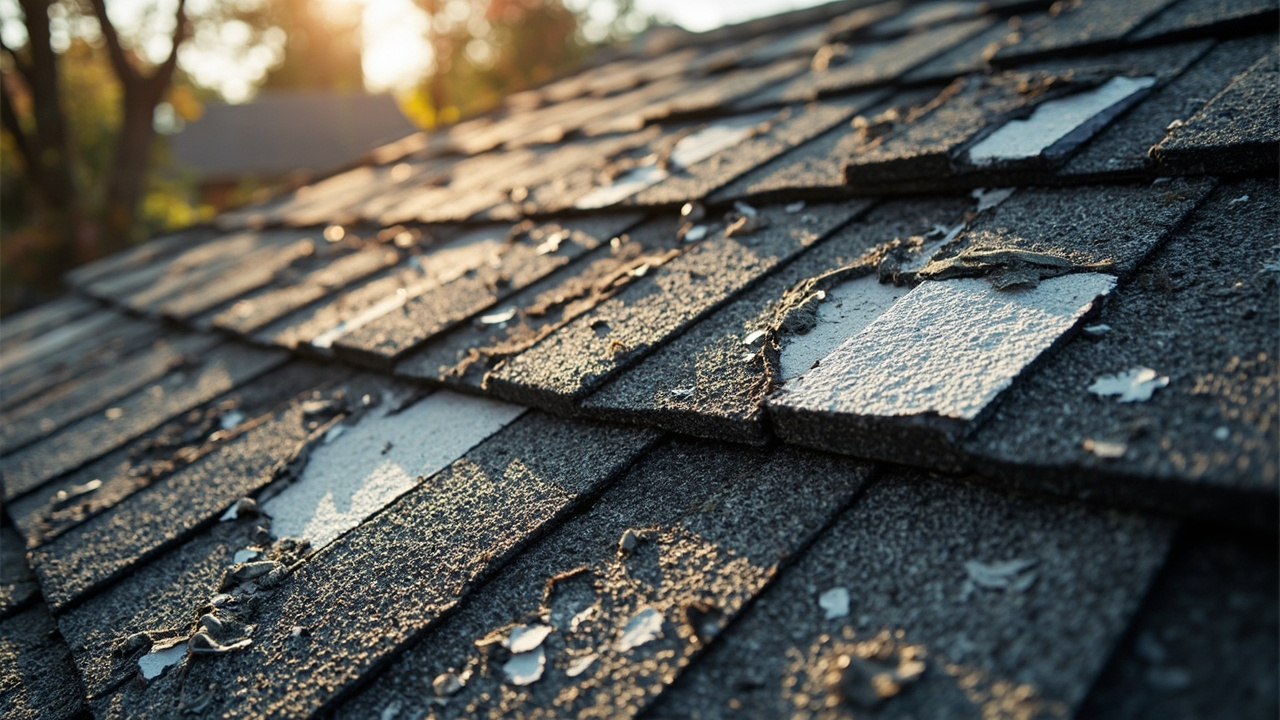
Shingle blistering appears as raised bubbles or bumps on your asphalt roof shingles. These blisters look like small pockets of trapped air or moisture beneath the surface layer. You might see them scattered across individual shingles or clustered in sections. They can range from dime-sized to larger than a quarter. Early blistering shows as slightly elevated areas. Advanced blistering reveals broken or popped bubbles where the granules have worn away, exposing the underlying mat. Denver's intense UV exposure and rapid temperature swings between day and night accelerate this damage, making inspections critical after our harsh summer months.

What does it mean when shingles blister? +

When shingles blister, trapped moisture or air creates pockets beneath the surface. This happens during manufacturing or installation when moisture gets sealed inside the shingle layers. Denver's high altitude means stronger UV radiation, which heats your roof rapidly. That heat causes the trapped moisture to vaporize and expand, forming blisters. Temperature swings from 90 degrees during the day to 50 at night stress the shingle structure. Blistering weakens the protective granule layer and exposes the asphalt mat to weathering. This accelerates deterioration and shortens your roof's lifespan. It signals you need a professional inspection before leaks develop.

What stage of shingles are blisters? +

Shingle blistering occurs during the maturation and deterioration stage of your roof's lifecycle. This typically happens 5 to 10 years after installation, though poor ventilation or manufacturing defects can trigger earlier blistering. It represents the middle stage of shingle failure. Before blistering, you might notice minor granule loss. After blistering breaks open, you enter advanced deterioration where the asphalt mat is exposed. Denver's freeze-thaw cycles worsen this progression. Once blisters pop, water infiltration damages the underlayment and decking. Catching blistering early prevents costly structural repairs. Schedule an inspection if your roof is approaching the 7-year mark.

Is shingles contagious when blistering? +

Roofing shingles are never contagious. Blistering on asphalt shingles is a physical defect caused by trapped moisture, poor ventilation, or manufacturing issues. It does not spread from one roof to another. However, if your Denver home has blistering, nearby shingles installed from the same batch or under similar conditions may develop identical problems. Poor attic ventilation affects your entire roof system, causing widespread blistering across multiple sections. The condition worsens over time as Denver's climate stresses the compromised areas. Address ventilation issues and damaged shingles promptly to prevent the problem from affecting more of your roof surface.

How long do shingles blisters last? +

Roof shingle blisters do not heal or disappear. Once formed, they persist and worsen over time. Initially, blisters may remain intact for months or years, depending on Denver's weather exposure. High winds, hail storms, and UV radiation eventually rupture the blisters, exposing the vulnerable asphalt layer beneath. After rupture, deterioration accelerates rapidly. Exposed areas lose granules quickly, allowing water penetration within one to two seasons. Denver's intense sun and temperature extremes speed this timeline. You cannot reverse blistering. Replacement of affected shingles is the only solution. Ignoring blistered shingles leads to leaks, decking damage, and interior water damage requiring expensive repairs.

What to put on shingles blisters? +

You cannot apply any product to repair blistered roof shingles. Surface coatings, sealants, or patching compounds do not fix the underlying structural damage. The blister exists beneath the shingle's surface layer, where trapped moisture or air has separated the materials. Attempting DIY fixes wastes money and delays proper repairs. The only effective solution is replacing the damaged shingles. A professional roofer removes compromised shingles and installs new ones that match your existing roof. In Denver, proper attic ventilation must also be addressed to prevent future blistering. Schedule a roof inspection to identify all affected areas and get accurate replacement recommendations.

What can be mistaken for shingles blisters? +

Several roof defects resemble shingle blistering. Hail damage creates circular bruises that look similar but usually show cracks radiating from the impact point. Granule loss from normal aging appears as dark patches without the raised bubble shape. Manufacturing defects like delamination cause lifting that mimics blistering but involves entire shingle layers separating. Thermal cracking from Denver's temperature extremes creates surface splits that differ from moisture blisters. Algae growth forms dark streaks, not bubbles. A professional inspection distinguishes between these issues. Misidentifying the problem leads to incorrect repairs. Denver's severe weather creates multiple shingle problems that require expert diagnosis for proper solutions.

Should I wash my shingles blisters? +

Never wash blistered roof shingles with water. Pressure washing or scrubbing damages the already compromised granule layer and accelerates deterioration. Water cannot fix the trapped moisture or air beneath the surface. Washing may rupture intact blisters, exposing the asphalt mat to Denver's harsh UV radiation and weather. This creates immediate leak risks. Walking on blistered shingles during cleaning can break them further, causing more damage. If you notice dirt or debris on your roof, use a leaf blower from the ground or hire a professional who understands proper roof maintenance. Focus on replacing damaged shingles rather than cleaning them.

What are the worst days of shingles? +

The worst period for blistered shingles occurs during Denver's late spring and summer months. May through August brings intense UV radiation at our high altitude, combined with afternoon thunderstorms and potential hail. Rapid temperature changes stress already weakened shingles. Morning frost followed by 85-degree afternoons causes expansion and contraction that ruptures blisters. Once broken open, summer monsoons drive water into the exposed areas, soaking underlayment and decking. Winter freeze-thaw cycles then expand that trapped moisture, cracking the structure further. If you spot blistering in spring, address it immediately before summer weather causes catastrophic failure and interior leaks.

What do healing shingles blisters look like? +

Healing does not occur with blistered roof shingles. This is a permanent structural failure. Once blisters form, they either remain as raised bubbles or rupture to expose the asphalt mat beneath. Ruptured blisters appear as dark, granule-free craters on your shingles. Over time, these exposed areas erode further, creating depressions where water pools. The surrounding shingle edges curl and crack. You might see black streaks from asphalt degradation. Denver's weather accelerates this breakdown. What looks like a small problem becomes a major leak source within months. Professional replacement is required. Monitoring blistered shingles without action guarantees expensive damage to your roof deck and home interior.

How Denver's Intense Sun and Altitude Accelerate Shingle Blistering

Denver receives more annual sunshine than San Diego or Miami Beach. That relentless UV exposure breaks down asphalt shingle compounds faster than in cloudier climates. The Mile High City's elevation intensifies this effect because there is less atmosphere to filter ultraviolet radiation. Shingles age 30 percent faster here than at sea level. When you combine extreme UV with poor attic ventilation, you create the perfect conditions for heat blisters. Summer attic temperatures routinely exceed 140 degrees, which liquefies the asphalt layers and creates gas pockets that push upward through the shingle surface. Understanding this local climate factor is essential for choosing repair methods that actually last.

Apex Roofing Denver has worked with hundreds of homeowners across Capitol Hill, Park Hill, and Littleton who discovered blistering after their first Colorado summer. We know which shingle brands perform well at altitude and which fail prematurely. We also understand Denver's building inspection requirements for ventilation ratios and fire ratings in areas like Red Rocks and Genesee where wildfire risk elevates code standards. Local expertise matters because generic repair approaches ignore the thermal stress and UV intensity that make Denver one of the most challenging roofing environments in the country.
Roofing Services in The Denver Area

Looking for trusted roofing services near you? Apex Roofing Denver proudly serves homeowners and businesses across the greater Denver area with expert roof repairs, replacements, inspections, and storm damage restoration. From Aurora to Lakewood and Thornton to Centennial, our experienced roofing team is ready to deliver fast, dependable solutions. Use the map below to explore our service areas and find top-rated roofing help near your neighborhood.

Address:
Apex Roofing Denver, 2301 Blake St, Denver, CO, 80205

Additional Services We Offer

Our news updates

Latest Articles & News from The Blogs

Lorem ipsum dolor sit amet. Aut expedita quaerat quo eligendi numquam et laudantium perspiciatis qui minima expedita rem consequatur ducimus.…

Test Blog 4

Lorem ipsum dolor sit amet. Aut expedita quaerat quo eligendi numquam et laudantium perspiciatis qui minima expedita rem consequatur ducimus.…

Test Blog 3

Lorem ipsum dolor sit amet. Aut expedita quaerat quo eligendi numquam et laudantium perspiciatis qui minima expedita rem consequatur ducimus.…

Test Blog 2

Lorem ipsum dolor sit amet. Aut expedita quaerat quo eligendi numquam et laudantium perspiciatis qui minima expedita rem consequatur ducimus.…

Contact Us

Roof blisters do not heal themselves. Every day of delay allows more moisture penetration and structural damage. Call Apex Roofing Denver at (720) 484-8300 for a diagnostic inspection that identifies exactly what caused your shingle blistering and what it will take to fix it permanently.