
Everything You Need to Know About Internal Roof Drains for RiNo Warehouses
Denver’s River North Art District faces unique drainage challenges. The area’s mix of historic warehouses and modern developments requires specialized internal roof drainage systems that can handle everything from sudden summer thunderstorms to winter snow loads. Understanding these systems helps warehouse owners protect their investments and comply with local building codes.
How Denver’s Climate Affects Warehouse Drainage
Denver’s elevation creates specific problems for roof drainage. The Mile High City experiences rapid temperature swings that can freeze standing water in drains within hours. Summer afternoon thunderstorms dump heavy rain in short bursts while winter storms can leave several feet of snow on flat roofs. These conditions demand drainage systems designed for extreme variability.
The freeze-thaw cycle poses particular risks for internal drains. Water that remains in pipes overnight can expand when temperatures drop below freezing. This expansion creates pressure that can crack pipes or force connections apart. Warehouses in RiNo need drains with proper insulation and sloped piping to prevent water from pooling in vulnerable areas.
Types of Internal Roof Drainage Systems
Several drainage configurations work for Denver warehouses. Each has specific advantages for different building types and weather conditions.
Gravity-Fed Internal Drains
Gravity-fed systems use strategically placed drains connected to sloped pipes that carry water to the building’s exterior. These systems work well for warehouses with multiple roof levels or complex layouts. The key is ensuring proper slope throughout the piping network to prevent standing water.
Siphonic Drainage Systems
Siphonic systems create vacuum pressure that pulls water through pipes at high velocity. These systems can handle larger volumes of water with smaller pipe diameters than gravity-fed systems. They work particularly well for large warehouse roofs where space constraints limit pipe size.
Combination Systems
Many RiNo warehouses use hybrid systems that combine internal drains with scuppers or overflow drains. This redundancy ensures water can escape even if one component fails during extreme weather events.
Denver Building Code Requirements for Roof Drainage
Denver’s building code establishes specific requirements for commercial roof drainage. The code addresses both primary drainage and secondary overflow systems to prevent roof collapse from water weight.
Primary drainage systems must handle the 100-year storm event. This means the system must drain water from a storm that statistically occurs once every 100 years. For Denver warehouses, this typically requires calculating flow rates based on roof area and local rainfall intensity.
Secondary overflow drainage provides backup when primary systems become overwhelmed. The code requires overflow drains or scuppers to prevent water from rising more than 3 inches above the roof surface. This prevents dangerous water weight from accumulating on the roof structure.
Denver Building Code Chapter 11 outlines specific requirements for commercial buildings. Warehouse owners should consult with licensed professionals to ensure compliance.
Common Drainage Problems in RiNo Warehouses
Warehouse owners in RiNo face several recurring drainage issues. Understanding these problems helps with prevention and early detection.
Debris Blockages
Denver’s wind patterns carry leaves, trash, and other debris onto warehouse roofs. This material collects around drain strainers and can completely block water flow. Regular cleaning prevents overflow and potential water damage to the building interior.
Ice Dam Formation
Ice dams form when snow melts during warm daytime temperatures then refreezes at night. The ice creates a barrier that prevents water from reaching drains. Warehouses with poor insulation or ventilation are particularly susceptible to this problem.
Ponding Water
Flat roofs can develop low spots where water collects after storms. Ponding water adds significant weight to the roof structure and creates ideal conditions for leaks. Proper drainage system design includes positive drainage to eliminate ponding areas. Fixing Flat Roof Leaks in LoHi and Modern Denver Homes.
Pipe Freezing
Exposed pipes and poorly insulated connections can freeze during Denver’s cold nights. Frozen pipes prevent drainage and can burst when ice expands. Heat tape and proper insulation protect vulnerable pipe sections.
Materials and Components for Denver Warehouses
Choosing the right materials ensures drainage systems withstand Denver’s harsh conditions. Several material options provide different benefits for warehouse applications.
Piping Materials
Cast iron pipes offer durability and noise reduction but require protective coatings to prevent corrosion. PVC pipes resist corrosion and are lightweight but can become brittle in extreme cold. Copper pipes provide excellent longevity but come with higher material costs.
Drainage Sumps
Drainage sumps collect water and debris before it enters the main drainage system. These collection points make cleaning easier and protect pipes from large debris. Sumps should be sized appropriately for the roof area they serve.
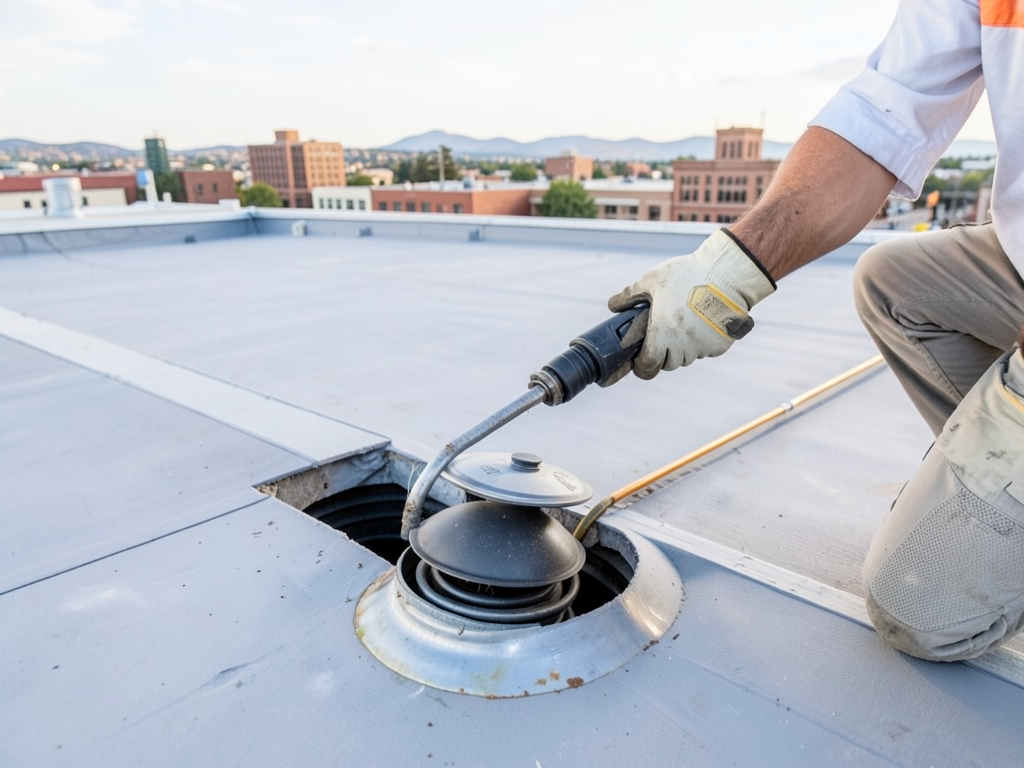
Strainer Domes
Strainer domes prevent debris from entering drains while allowing water to flow freely. Denver warehouses benefit from larger strainer openings that reduce clogging frequency. The domes should be easily removable for cleaning access.
Maintenance Requirements for Warehouse Drains
Regular maintenance prevents most drainage failures. Warehouse owners should establish maintenance schedules based on seasonal weather patterns and roof usage.. Read more about Why Parapet Wall Maintenance is the Most Important Task for Flat Roof Owners in Five Points.
Seasonal Maintenance Checklist
- Spring: Remove winter debris, check for freeze damage, test all drains
- Summer: Clear storm debris, check strainers after heavy rain, inspect overflow drains
- Fall: Remove leaves and organic material, prepare for winter conditions
- Winter: Monitor for ice dams, check heat tape operation, clear snow from drain areas
Monthly Inspection Points
Monthly inspections catch developing problems before they cause damage. Check all visible drains for debris accumulation. Inspect strainers for damage or corrosion. Look for signs of ponding water that might indicate low spots in the roof.
Annual Professional Assessment
Professional inspections identify issues that require specialized knowledge or equipment. Annual assessments should include drain cleaning, pipe inspection, and flow testing. Professionals can also check for code compliance and recommend system upgrades.
Retrofitting Old Warehouse Drainage Systems
Many RiNo warehouses have aging drainage systems that need modernization. Retrofitting offers several advantages over complete roof replacement. How Much a Full Roof Replacement Actually Costs in Denver Right Now.
Assessment Process
Before retrofitting, assess the existing system’s condition and capacity. Check pipe materials and connections for corrosion or damage. Evaluate whether current drains can handle modern storm intensity requirements.
Common Retrofit Solutions
Adding secondary overflow drains provides backup protection without major structural changes. Installing larger strainers reduces maintenance frequency. Adding heat tape to vulnerable pipes prevents freezing issues.
Cost Considerations
Retrofitting costs vary based on building access, existing conditions, and desired improvements. Simple strainer upgrades might cost a few hundred dollars while complete system replacements can run tens of thousands. Most warehouses see the best return on investment from targeted improvements rather than wholesale replacements. Industrial Roof Replacement.
Emergency Preparedness for Drainage Systems
Denver’s extreme weather can overwhelm even well-designed drainage systems. Emergency preparedness ensures warehouses can handle unexpected conditions. EPA Sustainable Drainage Practices.
Flash Flood Response
Summer thunderstorms can drop several inches of rain in an hour. Warehouses need plans for rapid response when drains become overwhelmed. This includes having staff trained to clear debris and access to emergency pumping equipment.
Snow Load Management
Heavy snow creates weight loads that can stress roof structures. Snow removal plans should identify safe removal areas and establish weight limits for snow storage on the roof. Proper drainage ensures melting snow can escape rather than refreezing.
Backup Power Systems
Power outages can disable sump pumps and other drainage equipment. Battery backup systems or generators ensure critical drainage components continue operating during storms. This protection is especially important for warehouses with valuable inventory.
Integration with Roof Membrane Systems
Internal drains must integrate properly with the roof membrane to prevent leaks. The connection point represents a potential failure location if not installed correctly.
TPO Membrane Integration
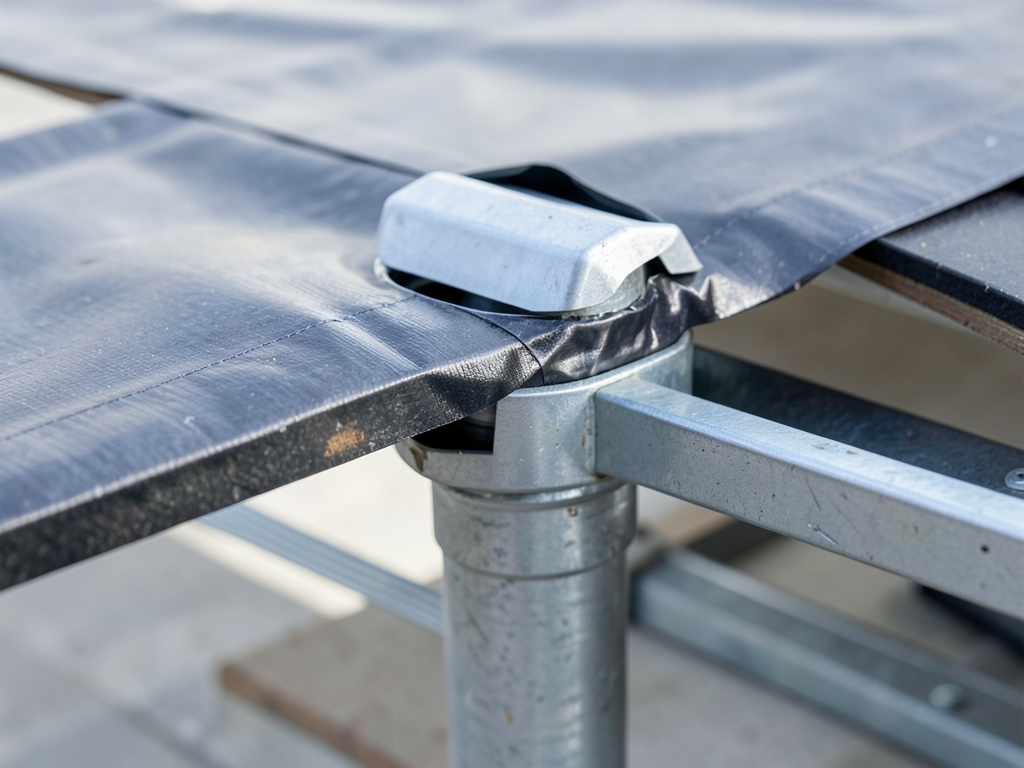
TPO (Thermoplastic Polyolefin) membranes require specific flashing details around drains. The membrane must be heat-welded to create watertight seals. Proper integration prevents water from migrating under the membrane.
EPDM Membrane Integration
EPDM (Ethylene Propylene Diene Monomer) rubber membranes use adhesive or mechanical fasteners around drains. The membrane must be cut precisely to fit drain assemblies. Any gaps allow water infiltration that can damage roof structure.
Flashing Details
Proper flashing extends the membrane several inches up the drain assembly. This extension prevents water from bypassing the seal during wind-driven rain or when drains become partially blocked. Flashing materials must be compatible with both the membrane and drain assembly.. Read more about EPDM vs TPO for the Flat Roof on Your Berkeley Kitchen Extension.
Cost Factors for Warehouse Drainage Projects
Several factors influence drainage project costs. Understanding these factors helps warehouse owners budget appropriately.
Roof Size and Complexity
Larger roofs require more drains and piping to achieve proper drainage. Complex roof layouts with multiple levels or penetrations increase installation difficulty and cost. Simple rectangular warehouses typically cost less per square foot than buildings with multiple roof sections.
Material Selection
Material choices significantly impact project costs. Cast iron systems cost more initially but offer longer service life. PVC systems cost less but may require more frequent replacement. Premium strainers and accessories add cost but reduce long-term maintenance.
Accessibility Issues
Warehouses with limited roof access require additional equipment and labor. Buildings with occupied spaces below may need work performed during off-hours to minimize disruption. These factors increase project costs but may be necessary for certain buildings.
Code Compliance Upgrades
Older warehouses often need upgrades to meet current code requirements. Adding secondary overflow drains or upgrading pipe sizes to handle modern storm intensities increases project scope and cost. These upgrades provide long-term value through improved protection.
Selecting a Drainage Contractor in Denver
Choosing the right contractor ensures proper system design and installation. Several factors distinguish qualified contractors from general roofers.
Experience with Commercial Projects
Commercial drainage requires different expertise than residential systems. Contractors should have specific experience with warehouse drainage design and installation. Ask for examples of similar projects in the Denver area.
Understanding of Local Conditions
Denver’s unique climate demands specialized knowledge. Contractors should understand freeze-thaw cycles, high-altitude UV exposure, and local storm patterns. This knowledge influences system design and material selection.
Code Compliance Knowledge
Denver’s building code has specific requirements for commercial drainage. Contractors should demonstrate familiarity with current code requirements and inspection processes. This knowledge prevents costly rework and ensures proper permitting.
Warranty and Support
Quality contractors stand behind their work with comprehensive warranties. Ask about warranty coverage for both materials and workmanship. Also inquire about ongoing maintenance support to protect your investment.
Future Trends in Warehouse Drainage
Warehouse drainage continues to evolve with new technologies and changing climate patterns. Several trends are shaping the future of commercial drainage systems.
Smart Drainage Systems
Sensor technology enables real-time monitoring of drainage system performance. Smart systems can detect blockages, measure flow rates, and alert building managers to developing problems. These systems reduce maintenance costs and prevent major failures.
Sustainable Water Management
Rainwater harvesting systems capture roof runoff for landscape irrigation or other uses. These systems require specialized drainage design to separate clean water from contaminated runoff. Sustainable practices align with Denver’s environmental goals.
Climate Change Adaptation
Changing weather patterns may require larger drainage capacity than current systems provide. Warehouses should consider future-proofing designs that can handle increased storm intensity. This might include oversized piping or additional drain capacity. Roofing Sheridan.
Frequently Asked Questions
How often should warehouse roof drains be cleaned?
Warehouse roof drains should be cleaned at least quarterly, with additional cleaning after major storms or during fall when leaves are dropping. Monthly inspections help identify when cleaning is needed before problems develop.
What size drains are required for Denver warehouses?
Drain size depends on roof area and local rainfall intensity. Denver’s building code requires calculating flow rates based on 100-year storm events. Most warehouses need drains between 3 and 6 inches in diameter, but specific requirements vary by building.
Can internal drains freeze in Denver’s climate?
Yes, internal drains can freeze when water remains in pipes during cold nights. Proper insulation, sloped piping to prevent standing water, and heat tape in vulnerable areas prevent freezing issues.
How much does it cost to retrofit warehouse drainage?
Retrofitting costs range from $500 for simple strainer upgrades to $50,000 or more for complete system replacements. Most warehouses spend between $5,000 and $20,000 on targeted improvements that address specific problems.
What’s the difference between primary and secondary drainage?
Primary drainage handles normal storm water flow. Secondary drainage provides backup when primary systems become overwhelmed or fail. Denver code requires both systems to prevent roof collapse from water weight.
How do I know if my warehouse drainage meets code?
Professional inspection determines code compliance. Contractors familiar with Denver’s building code can assess your system and identify needed upgrades. Building permits and inspections also verify compliance for new installations.
Should I upgrade my old warehouse drains?
Upgrades make sense if drains frequently clog, show signs of deterioration, or cannot handle current storm intensities. Consider upgrades when planning other roof work or if experiencing repeated drainage problems.
How long do commercial roof drains last?
Quality commercial drains last 20-30 years with proper maintenance. Material quality, climate conditions, and maintenance frequency affect service life. Cast iron systems typically outlast PVC systems in Denver’s harsh climate.
What causes warehouse roof leaks around drains?
Leaks typically result from deteriorated flashing, cracked drain assemblies, or membrane separation around the drain. Poor installation or lack of maintenance accelerates these problems. Regular inspection prevents minor issues from becoming major leaks.
Can I install drainage systems myself?
Commercial drainage installation requires specialized knowledge of building codes, hydraulics, and roofing systems. DIY installation often violates code requirements and can cause more problems than it solves. Professional installation ensures proper function and code compliance. Roofing Englewood.
Protect Your RiNo Warehouse with Proper Drainage
Internal roof drains protect your warehouse investment from Denver’s extreme weather. Understanding your system’s capabilities and limitations helps prevent costly water damage. Regular maintenance and timely upgrades ensure your drainage system performs when needed most.
Warehouse owners in RiNo should assess their current drainage systems and address any deficiencies before the next major storm. The cost of prevention is always less than emergency repairs after water damage occurs.
Ready to evaluate your warehouse drainage system? Call Apex Roofing Denver at (720) 484-8300 for a comprehensive drainage assessment. Our commercial drainage experts understand Denver’s unique challenges and can design systems that protect your warehouse for decades to come.
Don’t wait for the next storm to discover your drainage system can’t handle Denver’s weather. Contact us today to schedule your assessment and keep your warehouse dry through every season.
You may also find this helpful. Evaluating if Your RiNo Townhome Roof Can Actually Support a Heavy Container Garden.
{
“@context”: “https://schema.org”,
“@type”: “BlogPosting”,
“headline”: “Everything You Need to Know About Internal Roof Drains for RiNo Warehouses”,
“description”: “Learn how internal roof drains protect RiNo warehouses from Denver’s extreme weather. Expert guide covering drainage systems, code compliance, and maintenance.”,
“wordCount”: 2378,
“datePublished”: “2026-05-24T13:43:00.000Z”,
“dateModified”: “2026-05-24T13:43:00.000Z”,
“inLanguage”: “en-US”,
“mainEntityOfPage”: {
“@type”: “WebPage”,
“@id”: “https://apexroofingdenver.com”
},
“publisher”: {
“@type”: “LocalBusiness”,
“name”: “Apex Roofing Denver”,
“url”: “https://apexroofingdenver.com”
},
“author”: {
“@type”: “Organization”,
“name”: “Apex Roofing Denver”,
“url”: “https://apexroofingdenver.com”
},
“image”: {
“@type”: “ImageObject”,
“url”: “https://apexroofingdenver.com/wp-content/uploads/2026/03/everything-you-need-to-know-about-internal-roof-dr-1.png”
}
}
{
“@context”: “https://schema.org”,
“@type”: “RoofingContractor”,
“name”: “Apex Roofing Denver”,
“url”: “https://apexroofingdenver.com”,
“address”: {
“@type”: “PostalAddress”,
“addressLocality”: “Denver”
},
“areaServed”: {
“@type”: “City”,
“name”: “Denver”
}
}
{
“@context”: “https://schema.org”,
“@type”: “FAQPage”,
“mainEntity”: [
{
“@type”: “Question”,
“name”: “How often should warehouse roof drains be cleaned?”,
“acceptedAnswer”: {
“@type”: “Answer”,
“text”: “Warehouse roof drains should be cleaned at least quarterly, with additional cleaning after major storms or during fall when leaves are dropping. Monthly inspections help identify when cleaning is needed before problems develop.”
}
},
{
“@type”: “Question”,
“name”: “What size drains are required for Denver warehouses?”,
“acceptedAnswer”: {
“@type”: “Answer”,
“text”: “Drain size depends on roof area and local rainfall intensity. Denver’s building code requires calculating flow rates based on 100-year storm events. Most warehouses need drains between 3 and 6 inches in diameter, but specific requirements vary by building.”
}
},
{
“@type”: “Question”,
“name”: “Can internal drains freeze in Denver’s climate?”,
“acceptedAnswer”: {
“@type”: “Answer”,
“text”: “Yes, internal drains can freeze when water remains in pipes during cold nights. Proper insulation, sloped piping to prevent standing water, and heat tape in vulnerable areas prevent freezing issues.”
}
},
{
“@type”: “Question”,
“name”: “How much does it cost to retrofit warehouse drainage?”,
“acceptedAnswer”: {
“@type”: “Answer”,
“text”: “Retrofitting costs range from $500 for simple strainer upgrades to $50,000 or more for complete system replacements. Most warehouses spend between $5,000 and $20,000 on targeted improvements that address specific problems.”
}
},
{
“@type”: “Question”,
“name”: “What’s the difference between primary and secondary drainage?”,
“acceptedAnswer”: {
“@type”: “Answer”,
“text”: “Primary drainage handles normal storm water flow. Secondary drainage provides backup when primary systems become overwhelmed or fail. Denver code requires both systems to prevent roof collapse from water weight.”
}
},
{
“@type”: “Question”,
“name”: “How do I know if my warehouse drainage meets code?”,
“acceptedAnswer”: {
“@type”: “Answer”,
“text”: “Professional inspection determines code compliance. Contractors familiar with Denver’s building code can assess your system and identify needed upgrades. Building permits and inspections also verify compliance for new installations.”
}
},
{
“@type”: “Question”,
“name”: “Should I upgrade my old warehouse drains?”,
“acceptedAnswer”: {
“@type”: “Answer”,
“text”: “Upgrades make sense if drains frequently clog, show signs of deterioration, or cannot handle current storm intensities. Consider upgrades when planning other roof work or if experiencing repeated drainage problems.”
}
},
{
“@type”: “Question”,
“name”: “How long do commercial roof drains last?”,
“acceptedAnswer”: {
“@type”: “Answer”,
“text”: “Quality commercial drains last 20-30 years with proper maintenance. Material quality, climate conditions, and maintenance frequency affect service life. Cast iron systems typically outlast PVC systems in Denver’s harsh climate.”
}
},
{
“@type”: “Question”,
“name”: “What causes warehouse roof leaks around drains?”,
“acceptedAnswer”: {
“@type”: “Answer”,
“text”: “Leaks typically result from deteriorated flashing, cracked drain assemblies, or membrane separation around the drain. Poor installation or lack of maintenance accelerates these problems. Regular inspection prevents minor issues from becoming major leaks.”
}
},
{
“@type”: “Question”,
“name”: “Can I install drainage systems myself?”,
“acceptedAnswer”: {
“@type”: “Answer”,
“text”: “Commercial drainage installation requires specialized knowledge of building codes, hydraulics, and roofing systems. DIY installation often violates code requirements and can cause more problems than it solves. Professional installation ensures proper function and code compliance. Roofing Englewood.”
}
}
]
}
{
“@context”: “https://schema.org”,
“@type”: “BreadcrumbList”,
“itemListElement”: [
{
“@type”: “ListItem”,
“position”: 1,
“name”: “Home”,
“item”: “https://apexroofingdenver.com”
},
{
“@type”: “ListItem”,
“position”: 2,
“name”: “Blog”,
“item”: “https://apexroofingdenver.com/blog”
},
{
“@type”: “ListItem”,
“position”: 3,
“name”: “Everything You Need to Know About Internal Roof Drains for RiNo Warehouses”
}
]
}
{
“@context”: “https://schema.org”,
“@type”: “Service”,
“serviceType”: “Roofing”,
“provider”: {
“@type”: “LocalBusiness”,
“name”: “Apex Roofing Denver”,
“url”: “https://apexroofingdenver.com”
},
“areaServed”: {
“@type”: “City”,
“name”: “Denver”
},
“description”: “Learn how internal roof drains protect RiNo warehouses from Denver’s extreme weather. Expert guide covering drainage systems, code compliance, and maintenance.”
}