
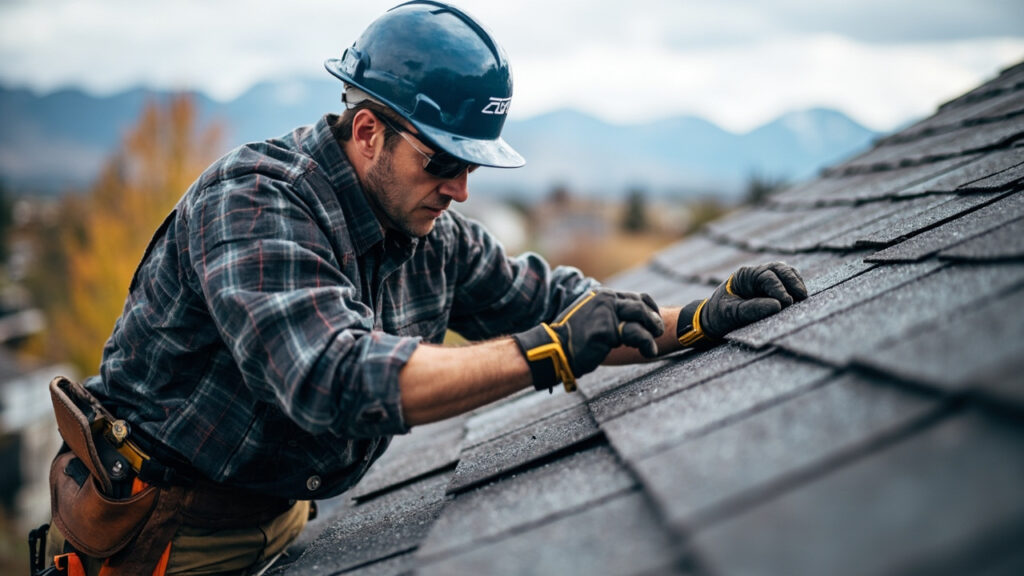
Preventative Roof Maintenance Plans That Save Money for Denver Homeowners
Denver homeowners face unique roofing challenges that make preventative maintenance essential. The combination of high-altitude UV exposure, severe hail storms, and rapid freeze-thaw cycles creates a perfect storm of conditions that can destroy roofing systems if left unchecked.
Preventative roof maintenance plans offer a cost-effective solution by identifying problems early before they become expensive repairs. These plans typically include regular inspections, minor repairs, and seasonal preparations that protect your investment and extend your roof’s lifespan.
Most Denver homeowners don’t realize that their roof faces more environmental stress than roofs in other parts of the country. The Mile High City’s elevation means stronger UV rays that break down roofing materials faster. Combined with Colorado’s notorious hail season and winter ice dam formation, your roof needs specialized care that generic maintenance plans simply don’t provide.
Why Denver Roofs Require Specialized Maintenance
Denver’s unique climate creates specific roofing challenges that demand specialized attention. The city’s elevation of 5,280 feet above sea level means your roof receives approximately 25% more UV radiation than at sea level. This increased exposure accelerates the degradation of asphalt shingles, causing them to become brittle and crack prematurely.
The Front Range hail corridor affects Denver directly, with the city experiencing an average of 7-10 significant hail events annually between May and August. These storms can cause immediate damage that homeowners often miss without professional inspection. Hail damage creates weak points that allow water infiltration, leading to interior damage that costs thousands to repair.. Read more about Is Your Centennial Roof Ready for the Next Big Front Range Storm?.
Winter presents another set of challenges. Denver’s freeze-thaw cycles cause roofing materials to expand and contract repeatedly. This movement can loosen fasteners, create gaps in flashing, and cause ice dams to form along roof edges. Ice dams prevent proper drainage and force water under shingles, creating leaks that damage ceilings and walls.. Read more about Fixing Standing Water on Your Commercial Flat Roof in Arvada.
The soil conditions in Denver suburbs like Lakewood and Englewood also impact roof health. Expansive clay soils cause foundation movement that transfers stress to roofing structures. This movement can create gaps in roof-to-wall connections and stress roofing materials beyond their design limits.
Components of a Professional Maintenance Plan
A comprehensive preventative maintenance plan addresses all aspects of roof health. Professional roofers examine the entire roofing system, not just the visible surface. They check attic ventilation, insulation levels, and structural components that affect roof performance.. Read more about Improving Attic Ventilation to Cool Down Your Englewood Home.
Key inspection points include shingle condition, flashing integrity, gutter functionality, and sealant quality. Technicians look for signs of wear that indicate impending failure. They also check for proper attic ventilation, which prevents moisture buildup that rots roof decking from the inside out.
Maintenance plans typically include debris removal from valleys and gutters. Accumulated debris traps moisture against roofing materials and provides a habitat for moss and algae growth. These organisms retain moisture and accelerate material deterioration.
Professional maintenance also addresses minor repairs before they become major problems. Replacing a few damaged shingles costs significantly less than repairing water-damaged ceilings, walls, and insulation. Early intervention prevents the cascade of damage that occurs when small problems go unaddressed.
Seasonal Maintenance Timeline for Denver Homes
Denver’s distinct seasons require different maintenance approaches throughout the year. Spring maintenance focuses on damage assessment after winter storms and preparing for the hail season. Summer maintenance addresses UV damage and prepares for monsoon moisture. Fall maintenance prepares for winter snow loads, while winter maintenance handles ice dam prevention.
Spring inspections should occur in April or May after the last freeze but before the hail season begins. Technicians check for winter damage, clean gutters, and ensure all roof components survived the cold months intact. This timing allows homeowners to address problems before summer storms hit.
Summer maintenance focuses on UV protection and hail damage assessment. July and August inspections check for heat-related wear and evaluate any hail damage from earlier storms. This timing is critical because hail damage often appears as subtle bruising that only becomes visible after sun exposure.
Fall maintenance prepares roofs for winter conditions. September and October inspections clear debris, check flashing, and ensure proper attic ventilation. Technicians also examine roof-to-wall connections and chimney flashing that ice dams commonly exploit.
Winter maintenance is reactive but essential. December through February inspections address ice dam formation and snow load concerns. Quick response to ice dam formation prevents the water infiltration that causes interior damage.
Common Denver Roofing Problems and Solutions
Hail damage represents the most common roofing problem in Denver. Hail creates impact craters that weaken shingle integrity and create entry points for water. Professional inspectors use specific techniques to identify hail damage, including checking for missing granules and cracked shingle tabs.
UV damage manifests as granule loss, curling, and cracking. Denver’s intense sunlight breaks down the asphalt base of shingles, causing them to lose their protective granules. This exposure accelerates aging and reduces the effective lifespan of roofing materials by 30-40% compared to sea-level installations.
Ice dam formation occurs when heat escaping from poorly insulated attics melts snow on the roof surface. This meltwater flows to cold roof edges where it refreezes, creating dams that trap additional meltwater. The trapped water backs up under shingles and enters the home.
Ventilation problems cause multiple issues including ice dams, moisture buildup, and premature material failure. Proper attic ventilation maintains consistent roof temperatures and prevents the conditions that create ice dams and promote mold growth in attic spaces.
Cost Benefits of Preventative Maintenance
Preventative maintenance costs significantly less than emergency repairs. A typical maintenance visit costs between $150-300, while emergency leak repairs often exceed $1,000. The math becomes compelling when considering that maintenance prevents the interior damage that multiplies repair costs.
Extended roof lifespan represents another major cost benefit. Well-maintained roofs last 25-30 years compared to 15-20 years for neglected systems. This additional longevity means homeowners avoid the $10,000-20,000 replacement cost for 5-10 extra years.
Insurance benefits also favor maintained roofs. Many insurance companies offer premium discounts for documented professional maintenance. Additionally, well-maintained roofs receive better claim treatment after storm damage, as insurers recognize the homeowner’s commitment to property care.
Energy efficiency improvements from proper maintenance reduce utility costs. Sealed roof penetrations, proper ventilation, and intact insulation prevent the air leaks that force HVAC systems to work harder. These savings often offset maintenance costs entirely.
DIY vs. Professional Maintenance Considerations
Homeowners can perform basic maintenance tasks like gutter cleaning and debris removal safely. However, roof walking requires expertise to avoid causing damage. Walking on aged shingles can crack them, creating the very problems maintenance seeks to prevent.
Professional inspectors bring specialized equipment and knowledge that homeowners lack. They use moisture meters to detect water intrusion, infrared cameras to identify ventilation problems, and have the experience to spot subtle damage signs that untrained eyes miss.
Ladder safety represents another critical consideration. Falls from ladders cause serious injuries annually. Professional roofers have proper safety equipment and training to work at heights safely, eliminating this risk for homeowners.
Insurance coverage also differs between DIY and professional work. Many insurance policies require professional maintenance to validate coverage. DIY repairs that cause additional damage may void coverage or create liability issues.
Choosing the Right Maintenance Provider
Local experience matters significantly in Denver’s unique climate. Contractors familiar with Front Range conditions understand the specific challenges your roof faces. They know which materials perform best at altitude and how to address the particular problems Denver weather creates.
Certifications indicate professional commitment and ongoing education. Look for contractors certified by roofing manufacturers, the National Roofing Contractors Association, or holding specific storm damage assessment credentials. These certifications demonstrate expertise beyond basic roofing knowledge.
Insurance and licensing verification protects homeowners from liability. Always verify that contractors carry both general liability and workers’ compensation insurance. This coverage protects you from costs if workers are injured on your property.
Maintenance plan structure varies among providers. Some offer annual contracts with quarterly visits, while others provide on-demand service. Evaluate which structure best matches your home’s needs and your personal preferences for service scheduling.
Denver Building Code Requirements
Denver building codes include specific requirements that affect maintenance practices. The city mandates Class 4 impact-resistant shingles in many areas due to hail risk. These shingles withstand hail impacts better but still require regular inspection to maintain their protective qualities.
Ice and water shield requirements affect maintenance approaches. Denver code requires this protective underlayment in specific roof areas. Maintenance plans must account for this shield’s condition, as damage compromises its water-blocking capabilities.
Ventilation requirements influence maintenance priorities. Denver codes specify minimum ventilation rates based on attic square footage. Maintenance plans must ensure these rates are maintained to prevent moisture problems and ice dam formation.
Energy efficiency standards affect roofing choices and maintenance approaches. The Denver Green Building Ordinance impacts commercial properties significantly, requiring specific maintenance practices to maintain energy performance ratings.
Impact of Denver’s Architecture on Maintenance Needs
Denver’s architectural diversity creates varied maintenance requirements. Mid-century modern homes in Englewood often feature low-slope roofs that collect debris and retain moisture. These designs require more frequent cleaning and careful water drainage management.
Historic bungalows in older Denver neighborhoods present unique challenges. Their aging materials require gentler maintenance approaches and specialized repair techniques that preserve architectural integrity while ensuring weather protection.
Contemporary flat-roofed homes common in newer developments require different maintenance than traditional sloped roofs. Flat roofs need more frequent inspection for ponding water and membrane integrity, as they lack the natural drainage that sloped roofs provide.
Multi-story homes in areas like Cherry Creek require additional safety considerations for maintenance work. These homes often need specialized equipment and techniques that increase maintenance costs but ensure worker and property safety.
Environmental Considerations for Roof Maintenance
Denver’s semi-arid climate affects maintenance timing and techniques. The low humidity means materials cure differently than in more humid regions. Maintenance schedules must account for these curing times to ensure repairs achieve maximum effectiveness.
Air quality impacts maintenance needs in Denver. The city’s occasional air quality issues deposit particulates on roofs that retain moisture and accelerate material degradation. More frequent cleaning may be necessary in areas with higher pollution exposure.
Wildlife considerations affect maintenance approaches. Denver’s urban wildlife including squirrels, birds, and raccoons can damage roofing materials. Maintenance plans should include inspection for animal entry points and damage from wildlife activity.
Water conservation influences maintenance practices. Denver’s water restrictions affect cleaning methods, requiring maintenance providers to use water-efficient techniques that comply with local regulations while still achieving proper cleaning results.
Technology in Modern Roof Maintenance
Drone technology has revolutionized roof inspections in Denver. Drones provide detailed roof photography without the need for walking on potentially damaged surfaces. This technology identifies problems more safely and often more thoroughly than traditional inspection methods.
Thermal imaging helps identify ventilation problems and moisture intrusion. These cameras detect temperature differences that indicate poor insulation, air leaks, or water presence under roofing materials. This technology finds problems before they become visible damage.
Digital documentation creates valuable maintenance records. Professional roofers now provide detailed reports with photos, measurements, and specific recommendations. These records prove valuable for insurance claims and help track roof condition changes over time.
Scheduling software improves maintenance consistency. Automated reminders ensure inspections occur at optimal times for Denver’s climate. This technology prevents the missed maintenance that often leads to costly emergency repairs.
Long-term Value of Preventative Maintenance
Preventative maintenance represents a smart financial decision for Denver homeowners. The relatively small annual investment in maintenance prevents the large, unexpected costs of emergency repairs and premature roof replacement. This approach transforms roofing from a liability into a managed asset.
Property value protection provides another compelling benefit. A well-maintained roof with documented maintenance history increases home value and marketability. Potential buyers recognize the care indicated by maintenance records and factor this into their purchase decisions.
Peace of mind represents an often-overlooked benefit. Knowing your roof has been professionally inspected and maintained eliminates the worry that accompanies aging roofing systems. This confidence proves especially valuable during Denver’s storm seasons.
Environmental responsibility rounds out the value proposition. Maintaining your existing roof rather than replacing it prematurely reduces landfill waste and the environmental impact of manufacturing new roofing materials. This approach aligns with growing environmental consciousness among Denver homeowners.
Frequently Asked Questions
How often should I have my Denver roof inspected?
Professional inspection twice yearly provides optimal protection for Denver homes. Schedule inspections in spring after the last freeze and fall before winter weather arrives. Additional inspections after major hail storms help identify damage that requires immediate attention.
What does a typical maintenance visit include?
Professional maintenance visits include roof surface inspection, gutter cleaning, flashing examination, sealant checking, and minor repair identification. Technicians also assess attic ventilation and insulation, check for signs of interior water damage, and provide detailed documentation of findings and recommendations.
Are maintenance plans worth the cost?
Maintenance plans typically pay for themselves through prevented damage and extended roof life. The $300-600 annual cost of a maintenance plan prevents $5,000-15,000 in potential repair costs. Additionally, many plans include priority service and discounted repair rates that provide further value.
Can I perform maintenance myself?
Homeowners can safely perform basic tasks like gutter cleaning and debris removal from ground level. However, walking on roofs requires expertise to avoid causing damage. Professional inspections identify problems that untrained eyes miss and ensure maintenance doesn’t inadvertently create new issues.
How do I know if my roof has hail damage?
Hail damage often appears as dark spots where granules have been knocked off, cracks in shingle tabs, or dents in metal components like vents and flashing. Professional inspection is necessary because hail damage can be subtle and may not cause immediate leaks while still compromising roof integrity.
What should I do if I find a leak?
Contain interior water damage with buckets and towels, then contact a professional immediately. Avoid climbing on the roof yourself, as this can cause additional damage. Document the damage with photos for insurance purposes, and if possible, identify the leak source from inside the attic without walking on ceiling materials.
How long does a maintenance visit take?
A thorough maintenance visit typically requires 1-2 hours depending on roof size and complexity. This time includes exterior inspection, interior attic examination if accessible, gutter cleaning, and detailed documentation of findings. Complex roofs or those with known issues may require additional time.
Will maintenance prevent all roof problems?
While maintenance significantly reduces problems, it cannot prevent all issues. Denver’s severe weather can overwhelm even well-maintained roofs. However, maintenance ensures your roof is in optimal condition to withstand weather stress and identifies problems when they’re small and inexpensive to repair.
How do I choose between maintenance providers?
Evaluate providers based on local experience, certifications, insurance coverage, and maintenance plan structure. Request references from Denver-area customers and verify their standing with the Better Business Bureau. Compare the comprehensiveness of their inspection processes and the detail of their documentation.
What’s the difference between maintenance and repair?
Maintenance involves preventative care and minor repairs to prevent problems, while repairs address existing damage. Maintenance might include cleaning gutters and sealing minor cracks, while repairs involve replacing damaged shingles or fixing leaks. Regular maintenance reduces the need for major repairs.. Read more about Fixing Leaky Skylights in Denver Before They Damage Your Ceiling.
- Schedule Professional Inspections
Arrange biannual inspections with a qualified Denver roofing contractor. Spring inspections assess winter damage, while fall inspections prepare for snow loads. Document all findings and recommendations for insurance and warranty purposes.
- Clean Gutters and Downspouts
Remove debris from gutters quarterly, increasing frequency if your home has many trees. Ensure downspouts direct water at least 5 feet from foundation walls. Check for proper drainage during heavy rain events.
- Monitor Attic Conditions
Check attic monthly for signs of moisture, proper ventilation, and insulation condition. Look for water stains, mold growth, or unusual odors that indicate roof problems. Ensure vents remain unobstructed by insulation or debris.
- Address Minor Issues Promptly
Replace missing or damaged shingles immediately upon discovery. Seal small cracks in flashing and check sealant around roof penetrations annually. Small problems escalate quickly in Denver’s climate, so prompt attention prevents costly repairs.
{
“@context”: “https://schema.org”,
“@type”: “BlogPosting”,
“headline”: “Preventative Roof Maintenance Plans That Save Money for Denver Homeowners”,
“description”: “Discover how preventative roof maintenance plans protect Denver homes from hail, UV damage, and ice dams while saving money on costly repairs.”,
“wordCount”: 2653,
“datePublished”: “2026-03-11T07:00:00.000Z”,
“dateModified”: “2026-03-11T07:00:00.000Z”,
“inLanguage”: “en-US”,
“mainEntityOfPage”: {
“@type”: “WebPage”,
“@id”: “https://apexroofingdenver.com”
},
“publisher”: {
“@type”: “LocalBusiness”,
“name”: “Apex Roofing Denver”,
“url”: “https://apexroofingdenver.com”
},
“author”: {
“@type”: “Organization”,
“name”: “Apex Roofing Denver”,
“url”: “https://apexroofingdenver.com”
},
“image”: {
“@type”: “ImageObject”,
“url”: “https://apexroofingdenver.com/wp-content/uploads/2026/03/preventative-roof-maintenance-plans-that-save-mone-1.jpg”
}
}
{
“@context”: “https://schema.org”,
“@type”: “RoofingContractor”,
“name”: “Apex Roofing Denver”,
“url”: “https://apexroofingdenver.com”,
“address”: {
“@type”: “PostalAddress”,
“addressLocality”: “Denver”
},
“areaServed”: {
“@type”: “City”,
“name”: “Denver”
}
}
{
“@context”: “https://schema.org”,
“@type”: “FAQPage”,
“mainEntity”: [
{
“@type”: “Question”,
“name”: “How often should I have my Denver roof inspected?”,
“acceptedAnswer”: {
“@type”: “Answer”,
“text”: “Professional inspection twice yearly provides optimal protection for Denver homes. Schedule inspections in spring after the last freeze and fall before winter weather arrives. Additional inspections after major hail storms help identify damage that requires immediate attention.”
}
},
{
“@type”: “Question”,
“name”: “What does a typical maintenance visit include?”,
“acceptedAnswer”: {
“@type”: “Answer”,
“text”: “Professional maintenance visits include roof surface inspection, gutter cleaning, flashing examination, sealant checking, and minor repair identification. Technicians also assess attic ventilation and insulation, check for signs of interior water damage, and provide detailed documentation of findings and recommendations.”
}
},
{
“@type”: “Question”,
“name”: “Are maintenance plans worth the cost?”,
“acceptedAnswer”: {
“@type”: “Answer”,
“text”: “Maintenance plans typically pay for themselves through prevented damage and extended roof life. The $300-600 annual cost of a maintenance plan prevents $5,000-15,000 in potential repair costs. Additionally, many plans include priority service and discounted repair rates that provide further value.”
}
},
{
“@type”: “Question”,
“name”: “Can I perform maintenance myself?”,
“acceptedAnswer”: {
“@type”: “Answer”,
“text”: “Homeowners can safely perform basic tasks like gutter cleaning and debris removal from ground level. However, walking on roofs requires expertise to avoid causing damage. Professional inspections identify problems that untrained eyes miss and ensure maintenance doesn’t inadvertently create new issues.”
}
},
{
“@type”: “Question”,
“name”: “How do I know if my roof has hail damage?”,
“acceptedAnswer”: {
“@type”: “Answer”,
“text”: “Hail damage often appears as dark spots where granules have been knocked off, cracks in shingle tabs, or dents in metal components like vents and flashing. Professional inspection is necessary because hail damage can be subtle and may not cause immediate leaks while still compromising roof integrity.”
}
},
{
“@type”: “Question”,
“name”: “What should I do if I find a leak?”,
“acceptedAnswer”: {
“@type”: “Answer”,
“text”: “Contain interior water damage with buckets and towels, then contact a professional immediately. Avoid climbing on the roof yourself, as this can cause additional damage. Document the damage with photos for insurance purposes, and if possible, identify the leak source from inside the attic without walking on ceiling materials.”
}
},
{
“@type”: “Question”,
“name”: “How long does a maintenance visit take?”,
“acceptedAnswer”: {
“@type”: “Answer”,
“text”: “A thorough maintenance visit typically requires 1-2 hours depending on roof size and complexity. This time includes exterior inspection, interior attic examination if accessible, gutter cleaning, and detailed documentation of findings. Complex roofs or those with known issues may require additional time.”
}
},
{
“@type”: “Question”,
“name”: “Will maintenance prevent all roof problems?”,
“acceptedAnswer”: {
“@type”: “Answer”,
“text”: “While maintenance significantly reduces problems, it cannot prevent all issues. Denver’s severe weather can overwhelm even well-maintained roofs. However, maintenance ensures your roof is in optimal condition to withstand weather stress and identifies problems when they’re small and inexpensive to repair.”
}
},
{
“@type”: “Question”,
“name”: “How do I choose between maintenance providers?”,
“acceptedAnswer”: {
“@type”: “Answer”,
“text”: “Evaluate providers based on local experience, certifications, insurance coverage, and maintenance plan structure. Request references from Denver-area customers and verify their standing with the Better Business Bureau. Compare the comprehensiveness of their inspection processes and the detail of their documentation.”
}
},
{
“@type”: “Question”,
“name”: “What’s the difference between maintenance and repair?”,
“acceptedAnswer”: {
“@type”: “Answer”,
“text”: “Maintenance involves preventative care and minor repairs to prevent problems, while repairs address existing damage. Maintenance might include cleaning gutters and sealing minor cracks, while repairs involve replacing damaged shingles or fixing leaks. Regular maintenance reduces the need for major repairs.”
}
}
]
}
{
“@context”: “https://schema.org”,
“@type”: “HowTo”,
“name”: “How to Maintain Your Denver Roof”,
“step”: [
{
“@type”: “HowToStep”,
“position”: 1,
“name”: “Schedule Professional Inspections”,
“text”: “Arrange biannual inspections with a qualified Denver roofing contractor. Spring inspections assess winter damage, while fall inspections prepare for snow loads. Document all findings and recommendations for insurance and warranty purposes.”
},
{
“@type”: “HowToStep”,
“position”: 2,
“name”: “Clean Gutters and Downspouts”,
“text”: “Remove debris from gutters quarterly, increasing frequency if your home has many trees. Ensure downspouts direct water at least 5 feet from foundation walls. Check for proper drainage during heavy rain events.”
},
{
“@type”: “HowToStep”,
“position”: 3,
“name”: “Monitor Attic Conditions”,
“text”: “Check attic monthly for signs of moisture, proper ventilation, and insulation condition. Look for water stains, mold growth, or unusual odors that indicate roof problems. Ensure vents remain unobstructed by insulation or debris.”
},
{
“@type”: “HowToStep”,
“position”: 4,
“name”: “Address Minor Issues Promptly”,
“text”: “Replace missing or damaged shingles immediately upon discovery. Seal small cracks in flashing and check sealant around roof penetrations annually. Small problems escalate quickly in Denver’s climate, so prompt attention prevents costly repairs.”
}
],
“image”: “https://apexroofingdenver.com/wp-content/uploads/2026/03/preventative-roof-maintenance-plans-that-save-mone-1.jpg”
}
{
“@context”: “https://schema.org”,
“@type”: “BreadcrumbList”,
“itemListElement”: [
{
“@type”: “ListItem”,
“position”: 1,
“name”: “Home”,
“item”: “https://apexroofingdenver.com”
},
{
“@type”: “ListItem”,
“position”: 2,
“name”: “Blog”,
“item”: “https://apexroofingdenver.com/blog”
},
{
“@type”: “ListItem”,
“position”: 3,
“name”: “Preventative Roof Maintenance Plans That Save Money for Denver Homeowners”
}
]
}
{
“@context”: “https://schema.org”,
“@type”: “Service”,
“serviceType”: “Roofing”,
“provider”: {
“@type”: “LocalBusiness”,
“name”: “Apex Roofing Denver”,
“url”: “https://apexroofingdenver.com”
},
“areaServed”: {
“@type”: “City”,
“name”: “Denver”
},
“description”: “Discover how preventative roof maintenance plans protect Denver homes from hail, UV damage, and ice dams while saving money on costly repairs.”
}