
Expert Hail Damage Roof Repair for Cherry Creek Denver Homes
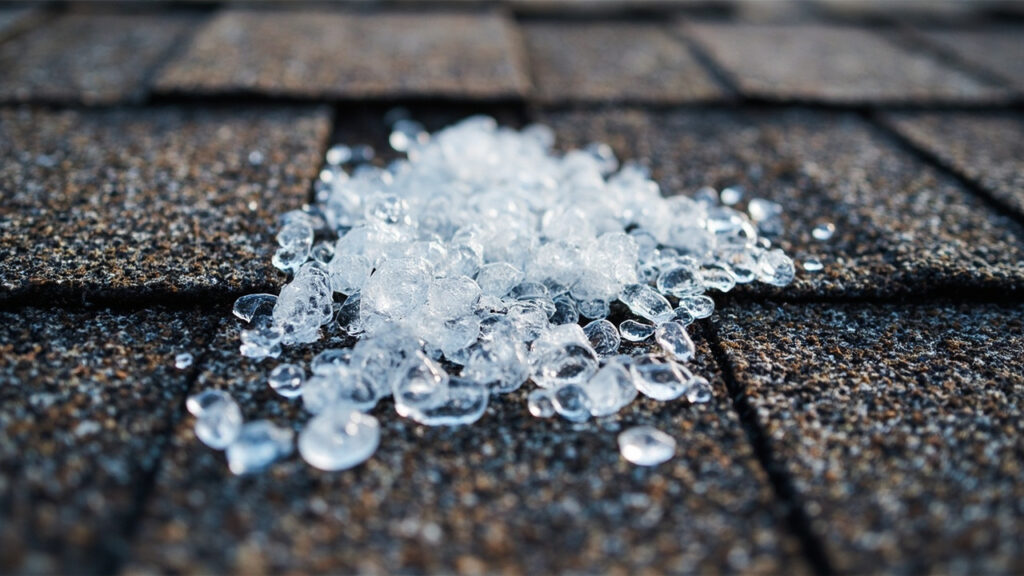
A hailstone the size of a golf ball just punched through your roof. You watched it happen from your Cherry Creek home, and now you’re staring at water damage spreading across your master bedroom ceiling. The question isn’t whether you need a roof inspection. It’s how quickly you can get one.
Hail damage to residential roofs in the Denver metro area costs homeowners millions each year. Cherry Creek sees some of the most severe weather impacts because of its elevation and proximity to the eastern plains, where hail storms develop with little warning. The good news is that professional inspection catches both visible and hidden damage before insurance companies deny claims or water damage compounds the problem.
Schedule your free inspection within 48 hours to lock in contractor availability before peak season backlog hits. Summer is the prime roofing season in Denver. Damage from June storms may wait until September for replacement if you delay contacting roofers. Claim settlements also decline when inspections are delayed, as adjusters question whether newer damage occurred after the original storm event.
This guide walks you through what happens during a hail damage inspection, how to manage the insurance process, and why the materials on your roof matter when hailstones strike.
Why Hail Damage Inspection Matters in Cherry Creek
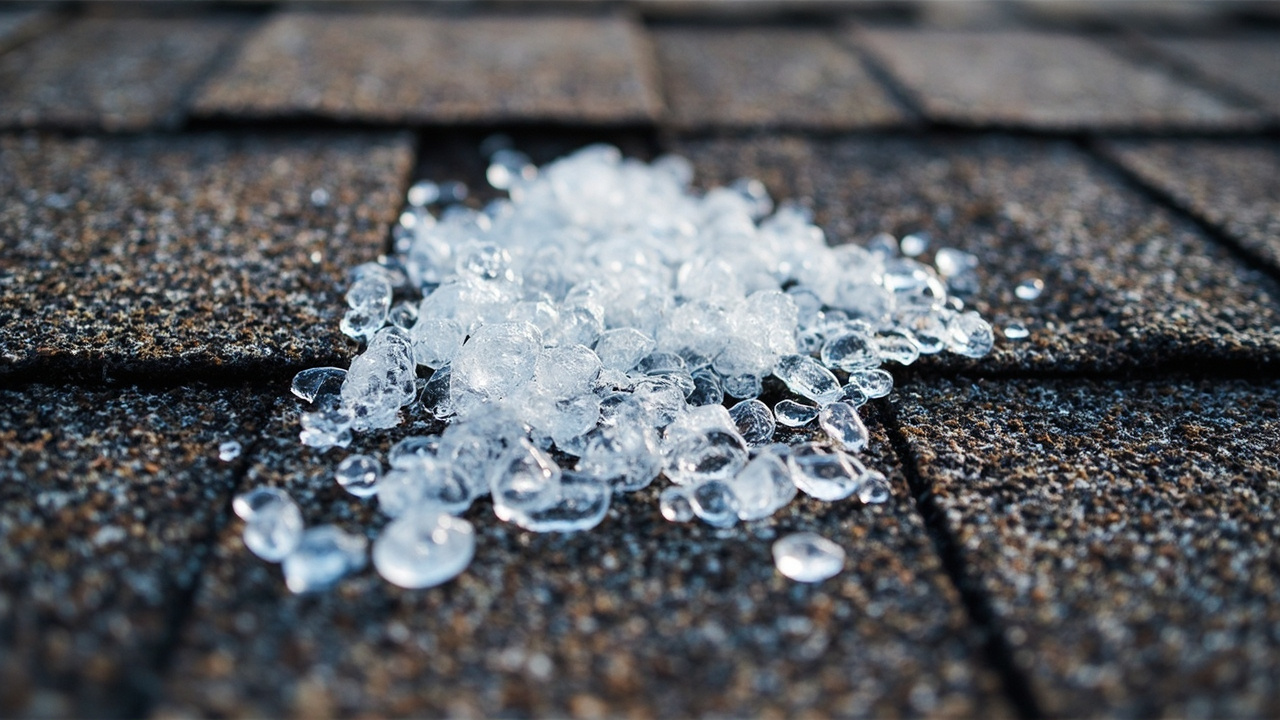
Denver’s hail season runs from May through August, with June and July producing the largest stones and most frequent storms. Hailstones in recent Colorado storms have measured up to 2 inches in diameter, enough to dent metal and crack asphalt shingles on impact.
Cherry Creek neighborhoods sit at elevations ranging from 5,200 to 5,400 feet. Downtown Cherry Creek and the Speer Boulevard corridor occupy the lower elevation band near 5,200 feet. The Country Club neighborhood and Mayfair sections climb to 5,350 to 5,400 feet. At these altitudes, the atmosphere is thinner, which means UV radiation hits roof materials harder and faster. Hail impact damage combines with sun exposure to accelerate shingle deterioration. A small bruise from hail this year becomes a significant leak next year.
Elevation variance within Cherry Creek creates distinct roofing challenges. Properties in Downtown Cherry Creek and along the Speer Boulevard corridor often feature contemporary infill construction with modern materials that resist impact better than older asphalt shingles. Victorian estates in the Country Club neighborhood and Mayfair rely on slate, clay tile, and historic roofing systems designed a century ago. These premium materials handle hail impact well and require specialized expertise for repairs. Mid-century modern homes scattered throughout Cherry Creek neighborhoods use asphalt compositions vulnerable to hail damage and temperature swings at Cherry Creek’s higher elevations.
Most roof damage from hail falls into two categories. Functional damage means water enters your home or structure. Cosmetic damage shows on the surface and doesn’t yet allow leaks. Insurance covers functional damage immediately. Cosmetic damage sometimes triggers coverage disputes, which is why documentation during the inspection phase matters.
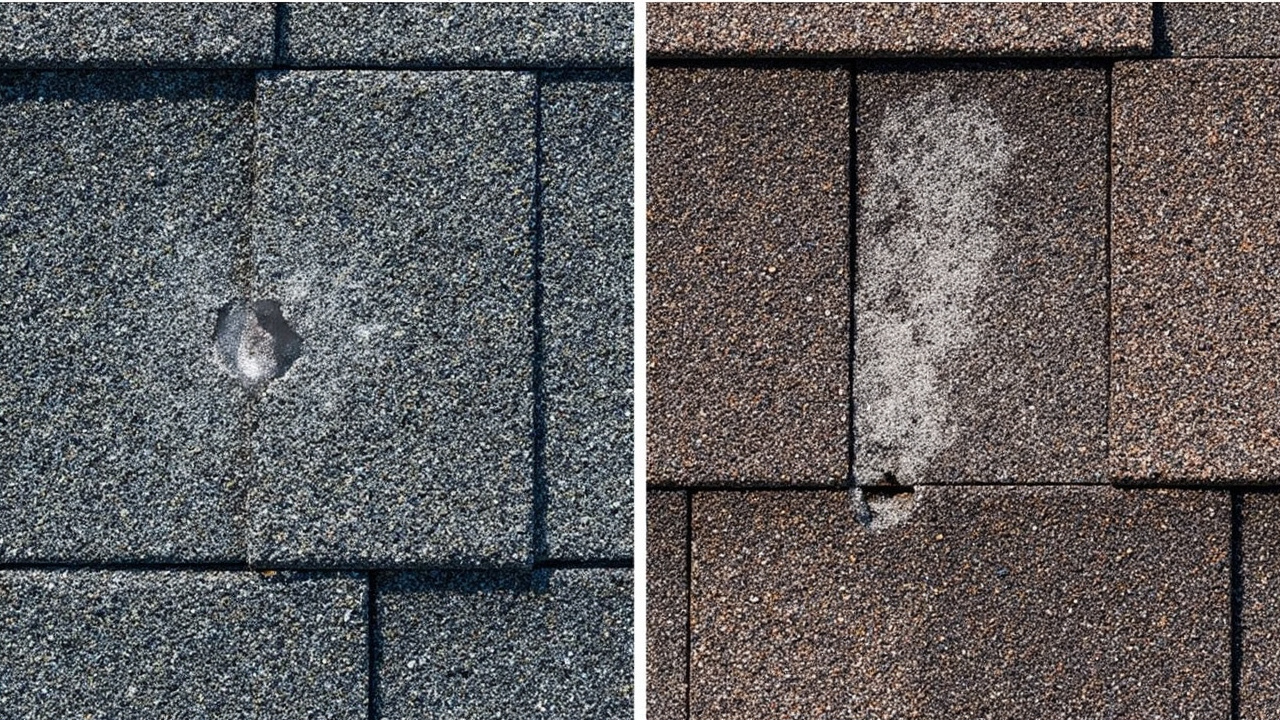
An inspector trained to recognize hail patterns will find damage that untrained eyes miss. Bruising on shingles, granule loss where the protective coating comes loose, and flashing damage all require different repair approaches.
What a Professional Hail Damage Inspection Includes
A thorough inspection takes 45 minutes to two hours depending on roof complexity. The inspector photographs damage from multiple angles, measures impact points, documents the pattern of hits, and identifies structural concerns.
The process starts from ground level. The inspector looks up at the roof line and scans for visible damage before climbing. Gutter damage, soffit damage, and flashing problems often appear before roof surface damage becomes obvious.
Once on the roof, the inspector walks every section systematically. They examine shingle surfaces for bruising and granule loss. They check metal components like gutters, downspouts, and flashing seams. They inspect skylights and any roof penetrations where water entry risk peaks.
The inspector then documents findings in a detailed report with photographs attached. This report becomes the foundation for your insurance claim. If the damage exceeds your deductible, the insurance company will send their own adjuster, and your professional inspection report carries significant weight in that conversation.
After the inspection, the roofer provides a repair estimate or replacement estimate based on findings. This estimate forms the basis for your insurance claim supplemental amount.
Functional Versus Cosmetic Hail Damage
Understanding this distinction saves homeowners from costly disputes with insurance adjusters.
Functional damage means water enters the home. This includes granule loss exposing the mat layer beneath, cracks in shingles, and open seams in flashing. Insurance covers functional damage under your homeowner’s policy because it threatens the structure. The damage allows moisture infiltration, which leads to rot, mold, and electrical hazards.
Cosmetic damage shows surface impact without immediate water entry. A bruised shingle where the stone struck and didn’t crack falls into this category. Dents in metal gutters and dings in soffit materials also count as cosmetic. Some insurance policies exclude cosmetic coverage. Others cover it only if damage exceeds a certain threshold.
The critical fact is this. A shingle bruised today may develop into a functional problem within months. UV exposure and freeze-thaw cycles at Cherry Creek’s altitude weaken the damaged area. A bruise becomes a crack. A crack becomes a leak.
This is why the inspection report matters. A thorough inspector documents cosmetic damage with photos and notes about future risk. If that damage escalates to functional within one to two years, your documentation supports a supplemental claim.
Roofing Materials and Their Hail Resistance in Cherry Creek Neighborhoods
Cherry Creek’s neighborhoods feature diverse roofing materials, from traditional asphalt shingles to designer slate and clay tile. Each material responds differently to hail impact.
Downtown Cherry Creek contemporary infill homes and newer Speer Boulevard corridor properties frequently use architectural asphalt shingles and impact-resistant compositions. Standard 3-tab and architectural grades offer moderate hail resistance. Impact-resistant asphalt shingles rated Class 4 by the UL 2218 standard withstand larger hailstones with minimal damage. These shingles use modified asphalt and rubber polymers that absorb impact rather than crack. Insurance companies often offer premium discounts for homes with Class 4 shingles installed.
Slate and clay tile roofing appears on established Victorian estates in the Country Club neighborhood and Mayfair sections, many built in the early 1900s. Both materials handle hail impact exceptionally well because of their density and hardness. A hailstone that cracks an asphalt shingle might barely mark slate. The trade-off is cost and installation complexity. Slate and tile require specialized contractors and reinforced roof framing to support their weight at Cherry Creek’s elevations.
Stone-coated steel roofing offers a middle ground. The steel base provides impact resistance while the stone coating creates the aesthetic of slate or tile. These systems rank highly for hail impact performance and cost less than genuine slate or tile.
Metal roofing made from aluminum or steel shows dent resistance and remains vulnerable to punctures. Larger hailstones can create holes in thin-gauge metal, while smaller stones leave visible dents. Aesthetically, these dents matter more on metal than on textured asphalt shingles.
| Material Type | Hail Damage Susceptibility | Typical Cherry Creek Neighborhood Application | Replacement Cost Factor |
|---|---|---|---|
| Architectural Asphalt Shingles (Standard) | Moderate to High. Cracks and splits from stones over 1 inch diameter | Common on post-1950s homes in Speer Boulevard corridor and mid-century modern properties | Base Cost Reference |
| Class 4 Impact-Resistant Asphalt Shingles | Low. Minimal damage from most hail sizes | Growing preference among newer construction and insurance-conscious owners in Downtown Cherry Creek | 15 to 25 percent premium over standard asphalt |
| Slate or Clay Tile | Very Low. Dense material resists impact well | Historic estates and high-end renovations in Country Club and Mayfair neighborhoods | 300 to 500 percent of standard asphalt cost |
| Stone-Coated Steel | Low to Moderate. Steel base resists impact, coating adds aesthetic | Premium residential properties across all Cherry Creek neighborhoods | 100 to 150 percent of standard asphalt cost |
When your home suffered hail impact, the material type determines repair or replacement approach. Asphalt shingle damage usually leads to replacement because repairs don’t hold long term in Colorado’s climate. Slate tile damage often allows targeted replacement of individual tiles. Understanding your roof’s material helps you anticipate what your adjuster will recommend.
Denver Building Codes and Roof Replacement Requirements
The City and County of Denver adopted the 2021 International Building Code with local amendments. These codes affect how roofers replace damaged roofs and what materials they can use.
One key requirement involves roof deck layers. Denver allows two layers of roof material on residential structures (three on commercial). If your home has two asphalt shingle layers and hail damage requires replacement, your roofer must tear off both layers before installing new shingles. This adds cost and meets code.
Wind load requirements vary by roof pitch and exposure. Homes in Country Club and Mayfair neighborhoods with steeper pitches and taller profiles may face higher wind load calculations. This affects shingle fastening specifications and potentially the nailing pattern your contractor must follow.
Impact-resistant material specifications reference the UL 2218 Class 4 rating standard. If your insurance carrier requires or recommends Class 4 shingles, the roofer must install only shingles rated to that standard. The installation must meet the manufacturer’s specifications regarding fastener type, fastener count per shingle, and underlayment requirements.
Permits from Denver typically process within 5 to 10 business days for residential roof replacements. Your contractor handles permit application, and the homeowner pays the permit fee. Inspectors will visit mid-project and again after completion to verify code compliance. Cherry Creek properties in historic district sections may require additional approvals from the Cherry Creek North Historic District or similar preservation authorities before roof replacements begin.
Managing Your Insurance Claim After Hail Damage
The insurance claim process unfolds in specific stages. Understanding each stage prevents surprises and keeps the timeline on track.
Your first step after a hailstorm is to document visible damage with photographs and video. Take wide shots showing the area of your home and close-ups showing specific damage. Do not enter your attic or crawl spaces alone. If you see water stains or active leaks, photograph those items and then call a roofer for emergency mitigation.
Next, contact your insurance company and file a claim. Provide the date of the storm, description of damage, and your policy number. The insurer will assign a claim number and schedule an adjuster visit. This typically happens within three to seven days of claim filing.
Before the adjuster arrives, schedule your professional roof inspection. The roofer will provide estimates and damage documentation. You will have this report ready when the adjuster visits. During the adjuster’s inspection, point out damage the roofer identified. Adjusters sometimes miss problems that trained roofers catch.
The adjuster’s estimate becomes the initial settlement offer. If your roofer’s estimate exceeds the adjuster’s offer, you can file a supplement request. The adjuster will return, review your additional documentation, and potentially increase the settlement. This process can repeat if major structural damage emerges during tear-off.
In Colorado, homeowners have the right to hire a public adjuster if they dispute the insurance company’s initial offer. Public adjusters work on contingency and represent your interests during the claims process. They are particularly valuable if damage is extensive or if the insurance company’s estimate seems inadequate.
- Document the Damage
Photograph and video record all visible hail impacts, water intrusions, and affected areas. Take wide shots and close-ups. Do not delay this step as weather conditions and additional damage may obscure original impact points.
- Contact Your Insurance Company
Call the claim number on your policy card or your agent. Provide the storm date, damage description, and address. The insurer assigns a claim number and schedules an adjuster visit window.
- Schedule a Professional Roof Inspection
Contact a local roofer to inspect before the insurance adjuster arrives. Request a detailed report with photographs. This inspection provides independent documentation of damage extent.
- Prepare for the Adjuster Meeting
Gather your professional inspection report, your photographs, and any repair estimates. Walk the adjuster through the roof systematically and point out damage areas your inspector identified.
- Review the Adjuster’s Estimate
Compare the adjuster’s estimate to your roofer’s estimate. If they differ significantly, request a supplement inspection. Bring the roofer’s report to this follow-up inspection.
- File a Supplement if Needed
If damage emerges during tear-off or if the adjuster’s estimate seems inadequate, file a supplement claim with photographic evidence. The adjuster will return to assess and potentially increase the settlement.
Timelines matter. Colorado law gives homeowners time to make repairs, and acting quickly prevents water damage escalation and keeps contractor schedules available. Summer is peak roofing season in Denver. Damage from June storms may delay replacement if you wait until August to contact roofers.

Deductibles, Coverage Limits, and What Insurance Pays
Your homeowner’s policy includes specific provisions about hail damage coverage. Understanding these details prevents claim denials.
Your deductible is the amount you pay out of pocket before insurance coverage begins. Common deductibles range from 500 dollars to 2,500 dollars or higher. Some insurers offer separate deductibles for wind and hail, often higher than the standard deductible. A policy with a 1,000 dollar standard deductible might carry a 5 percent deductible for hail, meaning you pay 5 percent of the replacement cost value (RCV) of your home before the insurance company pays.
Replacement Cost Value (RCV) means the full cost to replace damaged materials with new materials of similar kind and quality. Actual Cash Value (ACV) subtracts depreciation from the RCV. Most modern policies offer RCV for roofing, and older policies may offer only ACV. RCV is significantly better for the homeowner.
Your insurance company will not pay more than your dwelling coverage limit. If your home is insured for 400,000 dollars and the total damage exceeds 400,000 dollars, the insurance company pays up to the limit and no more. Check your policy declarations page to confirm your dwelling limit covers the replacement cost of your home.
Colorado state law caps insurer denials based on cosmetic damage alone. If damage is cosmetic and poses future functional risk, insurers cannot automatically deny the claim. This protects homeowners from losing coverage on problems that will worsen.
| Timeline Phase | Typical Duration | Your Action | Key Considerations |
|---|---|---|---|
| Claim Filing to Adjuster Assignment | 1 to 3 days | Call insurance company immediately after storm | Earlier filing means faster inspection scheduling |
| Professional Inspection | 1 day to schedule, 2 to 3 hours for inspection | Contact roofer before adjuster visit if possible | Independent inspection strengthens your position |
| Adjuster Inspection | 3 to 7 days after claim filing | Be present during adjuster visit, point out damage | Keep documentation of all communications |
| Initial Estimate Review | 5 to 10 days after adjuster visit | Compare adjuster estimate to your roofer’s estimate | Request supplement if estimates differ significantly |
| Supplement Inspection (if needed) | 5 to 10 days | Request supplement with supporting documentation | Bring additional photographs and roofer assessment |
| Roof Replacement | 3 to 7 days depending on roof size and weather | Coordinate with roofer on start date | Summer weather delays are common in Denver |
Emergency Mitigation and Immediate Repairs
If hail damage created openings in your roof, water enters immediately. You cannot wait for the insurance process to complete before stopping the leak.
Emergency tarping covers damaged areas to prevent water intrusion during the claims process. A roofer applies heavy-duty tarps and secures them with fasteners. Temporary tarps typically remain for one to two weeks until full replacement begins. They cost significantly less than replacement and prevent interior water damage that would multiply your losses.
Some insurance companies cover emergency mitigation costs as part of the claim. Document the tarping work with photographs and keep the invoice. Submit these to the insurance adjuster as evidence of damage severity and mitigation expenses.
Active leaks require immediate attic inspection to identify water entry points and water staining. Photograph all evidence of water damage. This documentation supports insurance claims for interior damage like drywall, insulation, or electrical components affected by water entry.
Why Local Experience Matters for Cherry Creek Homes
Cherry Creek’s neighborhoods present distinct roofing challenges. A roofer with 15 years of Denver experience understands these factors in ways a company new to the region cannot.
High altitude UV exposure at 5,200 to 5,400 feet accelerates shingle deterioration across Country Club, Downtown Cherry Creek, Mayfair, and Speer Boulevard corridor properties. An experienced Denver roofer knows that even new shingles in Cherry Creek age faster than the same shingles in locations at lower elevation. They account for this when assessing damage and estimating remaining roof life.
Freeze-thaw cycles from rapid temperature swings cause materials to expand and contract daily. Flashing seams open and close. Sealants fail faster. Experienced roofers size flashing appropriately and use flexible sealant products rated for temperature swings of 50 to 60 degrees Fahrenheit.
Cherry Creek’s mix of historic Victorian estates in the Country Club and Mayfair neighborhoods, mid-century modern homes, and contemporary infill in Downtown Cherry Creek demands material knowledge. Slate and clay tile require different installation expertise than asphalt shingles. A roofer handling Country Club and Mayfair estates needs experience with premium materials and the preservation principles that govern historic districts in Cherry Creek North.
Established roofers in the Denver market maintain relationships with insurance adjusters and understand local claim patterns. They know which insurers adjust claims conservatively and which adjust generously. They provide roofers’ estimates that align with market reality for the region, supporting your supplement requests when adjuster estimates fall short.
Local roofers also understand Denver’s permit process and inspector expectations. They know which violations inspectors will cite and which the city overlooks. This knowledge prevents costly corrections after work completion.
Timeline Expectations for Roof Replacement in Denver
From initial damage to completed replacement, expect eight to twelve weeks during typical conditions. Summer storms and peak construction season extend timelines.
Weeks one through two involve inspection and claim filing. Weeks three through five cover adjuster visit and estimate negotiation. Weeks six through eight allow for supplement processes if needed. Weeks nine through twelve cover permits, scheduling, and actual installation.
Weather impacts Denver roofing heavily. Heavy rain halts work. Snow in May or September creates delays. Wind above 15 miles per hour prevents asphalt shingle installation on many jobs. Plan for weather delays as a standard part of the timeline.
Contractor availability affects scheduling. A major hailstorm affecting thousands of homes creates a backlog of repair work. Homes hit in June may not see replacement until September if the contractor is fully booked. Booking quickly after the storm secures earlier scheduling slots.
Frequently Asked Questions
What size hailstones cause damage to roofing in Denver
Hailstones larger than one inch in diameter typically damage standard asphalt shingles. Stones between 0.75 and 1 inch may cause bruising and granule loss without visible cracks. Class 4 impact-resistant shingles resist damage from stones up to 2 inches. Recent Denver storms have produced stones from 1.5 to 2 inches in diameter.
What happens if new damage appears during roof tear-off
File a supplement claim when the roofer discovers damage hidden beneath the top layer of shingles or in structural components. The insurance adjuster returns to assess the additional damage and typically increases the settlement. This is common in older homes where underlying damage was not visible during the initial inspection.
How do I choose between roof repair and roof replacement after hail
A professional roofer performs a repair versus replacement analysis comparing repair costs to remaining roof life. If the roof has 10 plus years of remaining life and damage is localized, repair may make sense. If the roof nears end of life or damage is widespread, replacement offers better value over time.
Get Your Inspection Scheduled Before the Next Storm
Hail damage in Cherry Creek homes escalates rapidly without professional intervention. A small bruise becomes a full leak within weeks as Colorado’s UV exposure and temperature swings break down damaged material. Water entry leads to mold, rot, and structural damage that compounds the original loss.
Waiting until storm season peaks in July means contractor backlogs and delayed inspections. Scheduling your free hail damage inspection now ensures professional documentation of your roof’s condition before the next storm. If damage exists, you have time to address it. If your roof is sound, you have peace of mind.
A thorough inspection costs nothing and provides the foundation for any insurance claim. The roofer documents existing damage, assesses your materials, and provides repair or replacement estimates. You then have this information when the insurance adjuster arrives.
Contact a local Denver roofing contractor today and request a free hail damage inspection for your Cherry Creek home. Bring your inspection report to your insurance adjuster meeting. Ask for supplemental estimates if the adjuster’s offer falls short of the damage repair costs. Your professional documentation ensures fair settlement and prevents water damage that costs far more than roof replacement.
{
“@context”: “https://schema.org”,
“@type”: “BlogPosting”,
“headline”: “Get Your Cherry Creek Roof Inspected for Hail Damage Before the Next Storm Hits”,
“description”: “Professional hail damage roof inspection in Cherry Creek, Denver. Learn what to expect and how insurance claims work.”,
“wordCount”: 3453,
“datePublished”: “2026-03-14T12:50:00.000Z”,
“dateModified”: “2026-03-14T12:50:00.000Z”,
“inLanguage”: “en-US”,
“mainEntityOfPage”: {
“@type”: “WebPage”,
“@id”: “https://apexroofingdenver.com”
},
“publisher”: {
“@type”: “LocalBusiness”,
“name”: “Apex Roofing Denver”,
“url”: “https://apexroofingdenver.com”
},
“author”: {
“@type”: “Organization”,
“name”: “Apex Roofing Denver”,
“url”: “https://apexroofingdenver.com”
},
“image”: {
“@type”: “ImageObject”,
“url”: “https://apexroofingdenver.com/wp-content/uploads/2026/03/get-your-cherry-creek-roof-inspected-for-hail-dama-1.jpg”
}
}
{
“@context”: “https://schema.org”,
“@type”: “RoofingContractor”,
“name”: “Apex Roofing Denver”,
“url”: “https://apexroofingdenver.com”,
“address”: {
“@type”: “PostalAddress”,
“addressLocality”: “Denver”
},
“areaServed”: {
“@type”: “City”,
“name”: “Denver”
}
}
{
“@context”: “https://schema.org”,
“@type”: “HowTo”,
“name”: “How to File an Insurance Claim After Hail Damage”,
“step”: [
{
“@type”: “HowToStep”,
“position”: 1,
“name”: “Document the Damage”,
“text”: “Photograph and video record all visible hail impacts, water intrusions, and affected areas. Take wide shots and close-ups. Do not delay this step as weather conditions and additional damage may obscure original impact points.”
},
{
“@type”: “HowToStep”,
“position”: 2,
“name”: “Contact Your Insurance Company”,
“text”: “Call the claim number on your policy card or your agent. Provide the storm date, damage description, and address. The insurer assigns a claim number and schedules an adjuster visit window.”
},
{
“@type”: “HowToStep”,
“position”: 3,
“name”: “Schedule a Professional Roof Inspection”,
“text”: “Contact a local roofer to inspect before the insurance adjuster arrives. Request a detailed report with photographs. This inspection provides independent documentation of damage extent.”
},
{
“@type”: “HowToStep”,
“position”: 4,
“name”: “Prepare for the Adjuster Meeting”,
“text”: “Gather your professional inspection report, your photographs, and any repair estimates. Walk the adjuster through the roof systematically and point out damage areas your inspector identified.”
},
{
“@type”: “HowToStep”,
“position”: 5,
“name”: “Review the Adjuster’s Estimate”,
“text”: “Compare the adjuster’s estimate to your roofer’s estimate. If they differ significantly, request a supplement inspection. Bring the roofer’s report to this follow-up inspection.”
},
{
“@type”: “HowToStep”,
“position”: 6,
“name”: “File a Supplement if Needed”,
“text”: “If damage emerges during tear-off or if the adjuster’s estimate seems inadequate, file a supplement claim with photographic evidence. The adjuster will return to assess and potentially increase the settlement.”
}
],
“image”: “https://apexroofingdenver.com/wp-content/uploads/2026/03/get-your-cherry-creek-roof-inspected-for-hail-dama-1.jpg”
}
{
“@context”: “https://schema.org”,
“@type”: “BreadcrumbList”,
“itemListElement”: [
{
“@type”: “ListItem”,
“position”: 1,
“name”: “Home”,
“item”: “https://apexroofingdenver.com”
},
{
“@type”: “ListItem”,
“position”: 2,
“name”: “Blog”,
“item”: “https://apexroofingdenver.com/blog”
},
{
“@type”: “ListItem”,
“position”: 3,
“name”: “Get Your Cherry Creek Roof Inspected for Hail Damage Before the Next Storm Hits”
}
]
}
{
“@context”: “https://schema.org”,
“@type”: “Service”,
“serviceType”: “Roofing”,
“provider”: {
“@type”: “LocalBusiness”,
“name”: “Apex Roofing Denver”,
“url”: “https://apexroofingdenver.com”
},
“areaServed”: {
“@type”: “City”,
“name”: “Denver”
},
“description”: “Professional hail damage roof inspection in Cherry Creek, Denver. Learn what to expect and how insurance claims work.”
}