




Menu

Repair vs. Replace Analysis in Denver – Get Expert Data-Driven Recommendations to Maximize Your Roof Investment

Our comprehensive repair vs. replace analysis combines infrared diagnostics, structural assessment, and lifecycle cost modeling to deliver objective recommendations that save Denver homeowners thousands in unnecessary spending.

Slider Image 1
Slider Image 2
Slider Image 3
Slider Image 4
Slider Image 5
Slider Image 7
Slider Image 8
Slider Image 9
Slider Image 10
Slider Image 11

Denver's Climate Creates Unique Challenges for Roof Repair Decisions

Denver's extreme temperature swings create a brutal testing ground for roofing systems. When temperatures shift 40 degrees in a single day, your roof expands and contracts violently. This constant movement accelerates wear on flashing, sealants, and shingles. The intense UV exposure at 5,280 feet breaks down asphalt shingles 30% faster than at sea level.

You need to know whether patching that leak makes financial sense or if you are throwing money at a dying system. A roof repair vs replacement cost comparison is not just about today's price tag. You need to factor in Denver's hail frequency, the remaining service life of your materials, and whether your decking can support another layer.

Most homeowners face this decision without the right information. You see water stains on your ceiling. You get three bids that range from $800 to $18,000. Nobody explains why the numbers vary so wildly. A proper fix vs replace roof evaluation examines your substrate condition, the extent of granule loss, and whether your ventilation system is adequate for our high-altitude climate.

The clay soil throughout the Denver metro causes foundation movement that stresses roof structures differently than in other regions. If your home has settled unevenly, a reroof vs repair assessment must account for structural issues that simple patching cannot solve. Without understanding these local factors, you risk making a decision that costs you twice.

Denver's Climate Creates Unique Challenges for Roof Repair Decisions
Our Engineering-Based Methodology Eliminates Guesswork

Our Engineering-Based Methodology Eliminates Guesswork

Apex Roofing Denver uses a systematic approach that combines field data with predictive modeling. We start with infrared thermography to detect trapped moisture in your roof deck. This technology reveals problems invisible to the naked eye. Wet insulation shows up as temperature differentials that pinpoint exactly where your system is compromised.

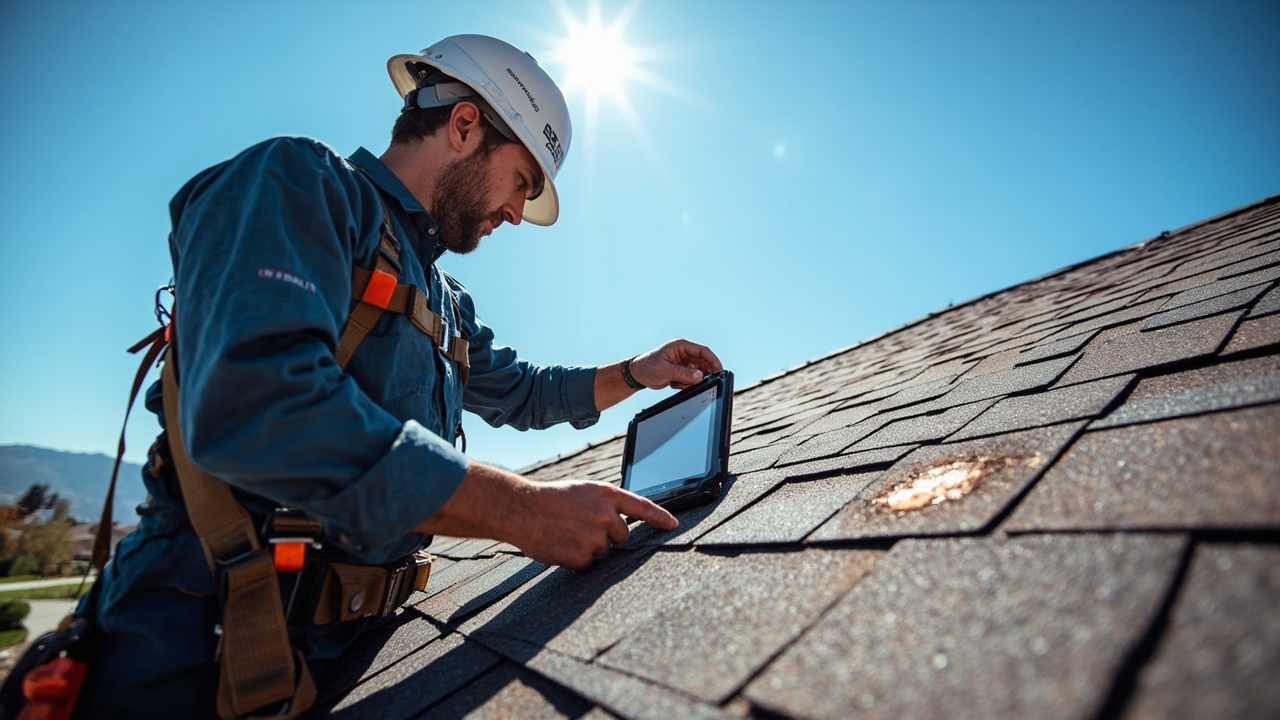
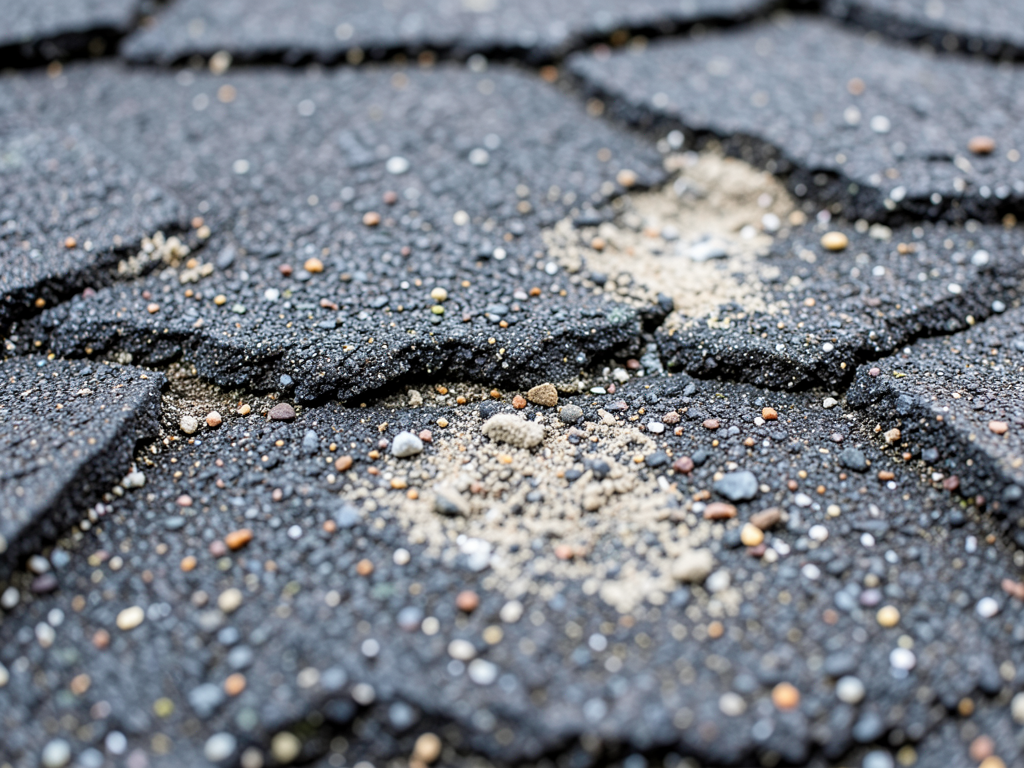
We conduct a granule loss assessment by measuring the remaining ceramic coating on your shingles. When granule loss exceeds 40%, your shingles lose their ability to reflect UV and shed water effectively. We document this with macro photography and compare it against manufacturer specifications for your specific product line.

Our structural evaluation examines decking integrity, truss deflection, and fastener withdrawal resistance. We use a moisture meter to test wood density in your sheathing. If readings exceed 19%, your deck has begun to delaminate. No repair makes sense when your substrate is failing.

The roof restoration vs replacement analysis includes a lifecycle cost projection. We calculate the cost per year of remaining service life for repair scenarios versus replacement options. This shows you the true economics. A $3,000 repair that buys you two years costs $1,500 per year. A $12,000 replacement that lasts 25 years costs $480 per year.

We factor in your home's resale timeline, insurance considerations, and whether your current system meets updated building codes. Denver amended its wind resistance requirements in 2019. If your roof does not meet current standards, some repairs may not pass inspection when you sell.

How Our Assessment Unfolds

Repair vs. Replace Analysis in Denver – Get Expert Data-Driven Recommendations to Maximize Your Roof Investment
01

Initial Diagnostic Survey

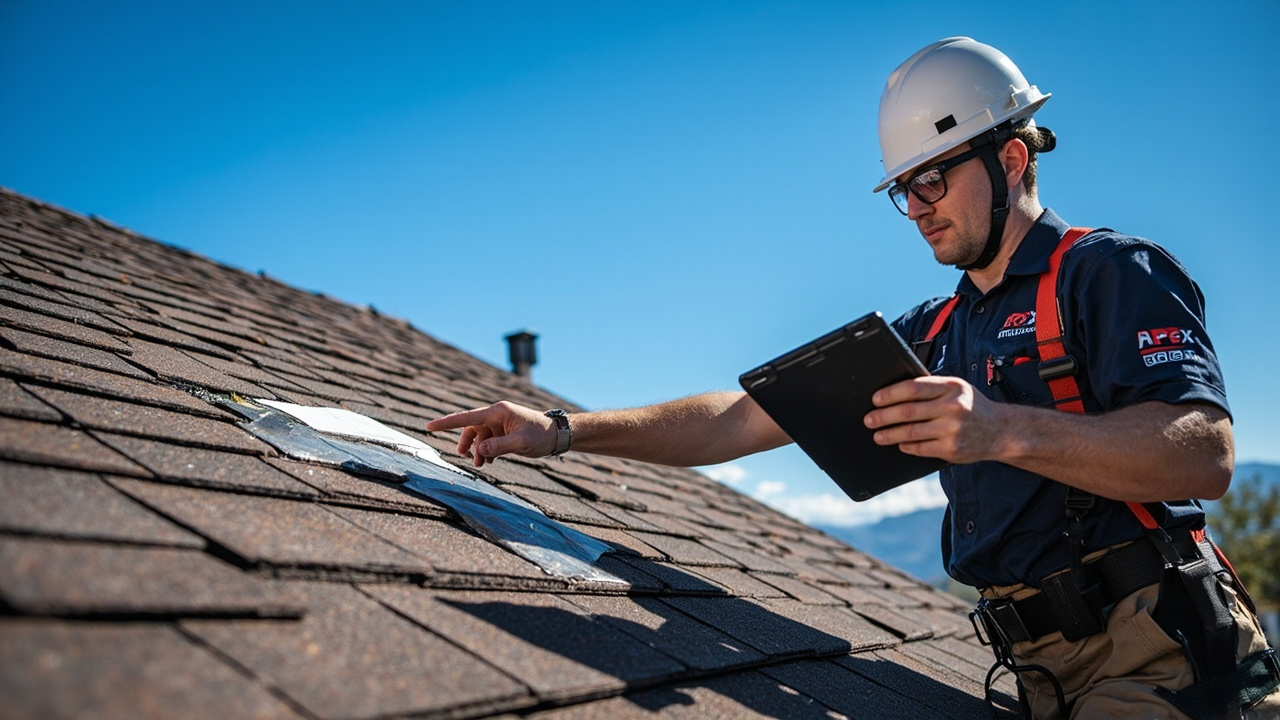
We begin with a comprehensive visual inspection from ground level and rooftop access. Our technicians photograph all penetrations, transitions, and potential failure points. We use drone imagery to document areas too steep or dangerous for direct access. This creates a baseline condition report with georeferenced data that maps every concern to a specific roof section.
02

Technical Testing Protocol

We deploy infrared scanning during optimal temperature differential periods to reveal trapped moisture. Core samples test your decking composition and density. We measure fastener pull strength and document any truss deflection or ridge sagging. These measurements generate objective data points that remove opinion from the equation. You receive documentation showing exactly what we found and why it matters for your decision.
03

Scenario Modeling and Recommendation

We present you with a detailed roof repair or replace decision guide that outlines three scenarios with cost projections and expected service life for each option. Scenario one addresses immediate issues. Scenario two includes preventive measures. Scenario three presents full replacement with upgraded materials. Each option includes a cost-per-year analysis so you can make an informed financial decision based on your timeline and budget.

Why Denver Homeowners Trust Our Analysis Process

Apex Roofing Denver has performed over 2,400 roof evaluations throughout the metro area. We understand how Denver's specific conditions affect different roofing systems. A home in Stapleton faces different challenges than one in Washington Park. The east side of the metro takes more hail damage. Homes near the foothills deal with more dramatic temperature swings and wind exposure.

We know which neighborhoods have clay soil issues that cause unusual stress patterns on roof structures. We have worked on Denver's historic bungalows, midcentury ranches, and new construction in developments from Highlands to Green Valley Ranch. This experience means we recognize patterns and problems specific to your home's age, architectural style, and microclimate.

Our assessment process meets Denver Building and Fire Prevention requirements. We understand local code amendments that affect repair versus replacement decisions. Some repair scenarios trigger requirements for full tear-off under current regulations. We identify these issues upfront so you avoid surprise costs or failed inspections.

You receive written documentation that satisfies insurance company requirements. Our reports include enough technical detail to support claims while remaining clear enough for you to understand your options. Insurance adjusters recognize our assessment format and trust our findings because we provide measurable data instead of vague opinions.

We have no incentive to oversell. Our business model depends on repeat customers and referrals from satisfied homeowners. If a repair makes financial sense, we recommend it. If replacement is the smarter move, we explain why with data you can verify.

What Our Assessment Delivers

Timeline and Scheduling

Most assessments complete within three to five business days from your initial call. The physical inspection takes two to four hours depending on your roof size and complexity. Infrared scanning requires specific weather conditions, so we schedule when temperature differentials allow accurate readings. You receive a preliminary verbal summary the same day as the inspection. The full written report with cost scenarios arrives within 48 hours. We accommodate urgent situations when storm damage or active leaks require faster turnaround.

The Assessment Components

Your assessment includes high-resolution photography documenting current conditions, infrared imagery showing moisture intrusion patterns, and detailed measurements of remaining material service life. We test your attic ventilation to ensure it meets current requirements for our altitude and climate. The structural evaluation documents any decking deterioration, inadequate fastening patterns, or framing issues. You receive a written report that explains each finding in clear language with supporting data. We include material specifications and labor estimates for each repair or replacement scenario we present.

The Decision Framework

You get three distinct options with lifecycle cost analysis for each scenario. We calculate cost per year of expected service life so you can compare repair and replacement economics directly. Each option includes material specifications, warranty information, and timeline projections. We explain how your decision affects insurance coverage, home resale value, and energy efficiency. The report identifies any code compliance issues that might affect your options. You walk away with enough information to make a confident decision without pressure or sales tactics.

Follow-Up and Support

Your assessment remains valid for six months. If you choose repair, we provide a detailed maintenance schedule showing when to inspect specific components. If you select replacement, we help you understand warranty registration and what actions might void coverage. We offer annual inspection services that monitor your roof condition and catch small issues before they become expensive problems. You receive digital copies of all documentation for your records and insurance files. We remain available to answer questions as you evaluate your options.

Frequently Asked Questions

You Have Questions,
We Have Answers

What is the difference between repair and replace? +

Repair addresses a specific problem while keeping the existing system in place. You fix what's broken. Replace means removing the entire unit and installing a new one. For Denver roofs, repairs work when damage is isolated, like replacing torn shingles after a hailstorm. Replace makes sense when the roof system has reached the end of its lifespan or has widespread damage. A 20-year-old roof with multiple leaks and missing granules needs replacement. A 5-year-old roof with storm damage in one section needs repair. The decision hinges on the extent of damage and remaining useful life.

How do you determine if you should repair or replace a machine? +

You compare repair costs against replacement costs and remaining lifespan. Calculate the repair expense as a percentage of replacement cost. If repairs exceed 50% of replacement value, replace the system. Factor in the age of your roof. A Denver roof near its expected 20-25 year lifespan warrants replacement even for moderate damage. Consider frequency of repairs. If you've patched the same roof three times in two years, you're throwing money away. Evaluate energy efficiency. Older systems cost more to maintain and operate. A professional inspection reveals hidden damage that tips the scale toward replacement.

What is the rule for repair or replace? +

The 50% rule guides most repair or replace decisions. If repair costs exceed half the replacement cost, replace the system. This prevents good money chasing bad. For roofs, you also consider age. A roof past 75% of its expected lifespan gets replaced, not repaired. Denver's intense UV exposure and hail risk accelerate roof aging, which tightens this threshold. The rule protects you from repeated repair cycles that drain your budget. You want a solution that lasts, not a temporary patch. Apply this rule to HVAC, plumbing, and roofing decisions. It cuts through emotional attachment to failing systems.

What are the 4 P's of maintenance? +

The 4 P's of maintenance are Preventive, Predictive, Prescriptive, and Proactive. Preventive maintenance follows a schedule, like annual roof inspections in Denver before winter. Predictive maintenance uses data to forecast failures before they happen. Prescriptive maintenance recommends specific actions based on system conditions. Proactive maintenance addresses root causes, not just symptoms. For roofs, this means fixing drainage issues that cause ponding water, not just patching the leak. Denver's extreme temperature swings and hail exposure make preventive maintenance critical. You catch small problems before they become expensive emergencies. Regular maintenance extends roof life by 5-10 years.

What is the 30-60-90 rule for cars? +

The 30-60-90 rule for cars is a maintenance schedule based on mileage intervals. Check fluids and tire pressure every 30 days. Rotate tires and inspect brakes every 60 days or 5,000 miles. Complete full service including oil changes and filter replacements every 90 days or 7,500 miles. This rule prevents breakdowns through regular attention. The same logic applies to roofs in Denver. Inspect after every hailstorm. Check flashing and gutters twice yearly. Complete a professional inspection annually. Regular maintenance catches minor damage before it spreads. This schedule fits Denver's seasonal weather patterns and protects your investment.

What are the 4 types of maintenance? +

The 4 types of maintenance are Reactive, Preventive, Predictive, and Reliability-Centered. Reactive maintenance fixes problems after failure, like emergency leak repairs. Preventive maintenance follows a schedule to prevent failures, such as annual roof inspections. Predictive maintenance uses condition monitoring to forecast problems. Reliability-Centered maintenance focuses on critical system functions. For Denver roofs, preventive maintenance proves most cost-effective. Spring and fall inspections catch hail damage and prepare for temperature extremes. You address small issues before they escalate. This approach reduces emergency calls and extends roof lifespan. Most homeowners benefit from a preventive maintenance plan.

What are the 3 C's of auto repair? +

The 3 C's of auto repair are Concern, Cause, and Correction. Concern identifies the problem you're experiencing. Cause determines what's creating the issue. Correction fixes the root problem, not just symptoms. Apply this framework to roofing decisions in Denver. Your concern might be water stains on the ceiling. The cause could be damaged flashing around a chimney. Correction means replacing that flashing, not just painting over the stain. This diagnostic approach prevents wasted money on surface fixes. You solve the real problem. A thorough inspection reveals the true cause, which determines whether repair or replacement makes sense.

What is the 10 rule in maintenance? +

The 10 rule in maintenance states that neglecting a $1 problem creates a $10 repair, which becomes a $100 replacement if ignored further. This exponential cost increase punishes deferred maintenance. For Denver roofs, a loose shingle costs $50 to fix. Ignore it, and water damage requires a $500 repair. Wait longer, and you're replacing structural decking for $5,000. The rule emphasizes early intervention. Address problems when they're small and cheap. Regular inspections catch issues in the $1 stage. This approach saves you thousands over the roof's lifetime. Prevention always costs less than emergency fixes.

When to replace vs repair? +

Replace when the system has reached 75% of its expected lifespan or when repairs exceed 50% of replacement cost. Consider replacement if you're making frequent repairs to the same system. For Denver roofs, age matters. A 20-year-old roof with storm damage needs replacement, not another patch job. Factor in energy efficiency improvements with new materials. Replace if underlying structure shows rot or damage. Repair makes sense for isolated damage on newer roofs. A 7-year-old roof with hail damage in one section gets repaired. Calculate total cost over the next 5 years. Replacement often wins that analysis.

What is the 1% rule for maintenance? +

The 1% rule for maintenance suggests budgeting 1% of your property value annually for upkeep and repairs. For a $400,000 Denver home, that's $4,000 per year. This fund covers routine maintenance like roof inspections, gutter cleaning, and minor repairs. The rule prevents maintenance debt from accumulating. Denver's weather extremes demand this level of preparation. Hail damage, UV exposure, and freeze-thaw cycles stress building systems. Setting aside this amount keeps you ahead of problems. You handle repairs promptly instead of deferring them. This budget smooths out unexpected expenses and protects your investment long-term.

How Denver's Altitude and Hail Patterns Impact Repair vs. Replace Decisions

Denver's elevation creates UV exposure 25% more intense than coastal cities. This accelerates shingle deterioration and makes accurate remaining service life calculations critical. Our hail frequency adds another variable. The Denver metro experiences significant hail events every 3.2 years on average. If your roof has survived two hail seasons with only minor damage, statistical probability suggests replacement may make more sense than repair, even if current damage appears manageable. Your assessment must account for cumulative stress and likely future impacts.

Apex Roofing Denver maintains relationships with local building inspectors and understands how Denver's amended wind resistance standards affect your options. We know which repair scenarios trigger full replacement requirements under current code. Our familiarity with local insurance claim patterns helps you understand how your decision affects coverage. We have worked with every major carrier operating in the Denver market and know how to document findings in formats they recognize and accept without dispute.
Roofing Services in The Denver Area

Looking for trusted roofing services near you? Apex Roofing Denver proudly serves homeowners and businesses across the greater Denver area with expert roof repairs, replacements, inspections, and storm damage restoration. From Aurora to Lakewood and Thornton to Centennial, our experienced roofing team is ready to deliver fast, dependable solutions. Use the map below to explore our service areas and find top-rated roofing help near your neighborhood.

Address:
Apex Roofing Denver, 2301 Blake St, Denver, CO, 80205

Additional Services We Offer

Our news updates

Latest Articles & News from The Blogs

Lorem ipsum dolor sit amet. Aut expedita quaerat quo eligendi numquam et laudantium perspiciatis qui minima expedita rem consequatur ducimus.…

Test Blog 4

Lorem ipsum dolor sit amet. Aut expedita quaerat quo eligendi numquam et laudantium perspiciatis qui minima expedita rem consequatur ducimus.…

Test Blog 3

Lorem ipsum dolor sit amet. Aut expedita quaerat quo eligendi numquam et laudantium perspiciatis qui minima expedita rem consequatur ducimus.…

Test Blog 2

Lorem ipsum dolor sit amet. Aut expedita quaerat quo eligendi numquam et laudantium perspiciatis qui minima expedita rem consequatur ducimus.…

Contact Us

Stop guessing about your roof's condition. Call Apex Roofing Denver at (720) 484-8300 for an objective analysis that gives you the information you need to make the right decision. No pressure, just facts.