




Menu

Emergency Tarping Service in Denver – Roofs Secured Within Hours, 24/7 Dispatch

When storm damage strikes your Denver property, our emergency tarping service deploys immediately to prevent water intrusion and secondary damage. We arrive fast, secure your roof properly, and work directly with your insurance adjuster to document the loss.

Slider Image 1
Slider Image 2
Slider Image 3
Slider Image 4
Slider Image 5
Slider Image 7
Slider Image 8
Slider Image 9
Slider Image 10
Slider Image 11

Denver Storms Don't Wait for Business Hours

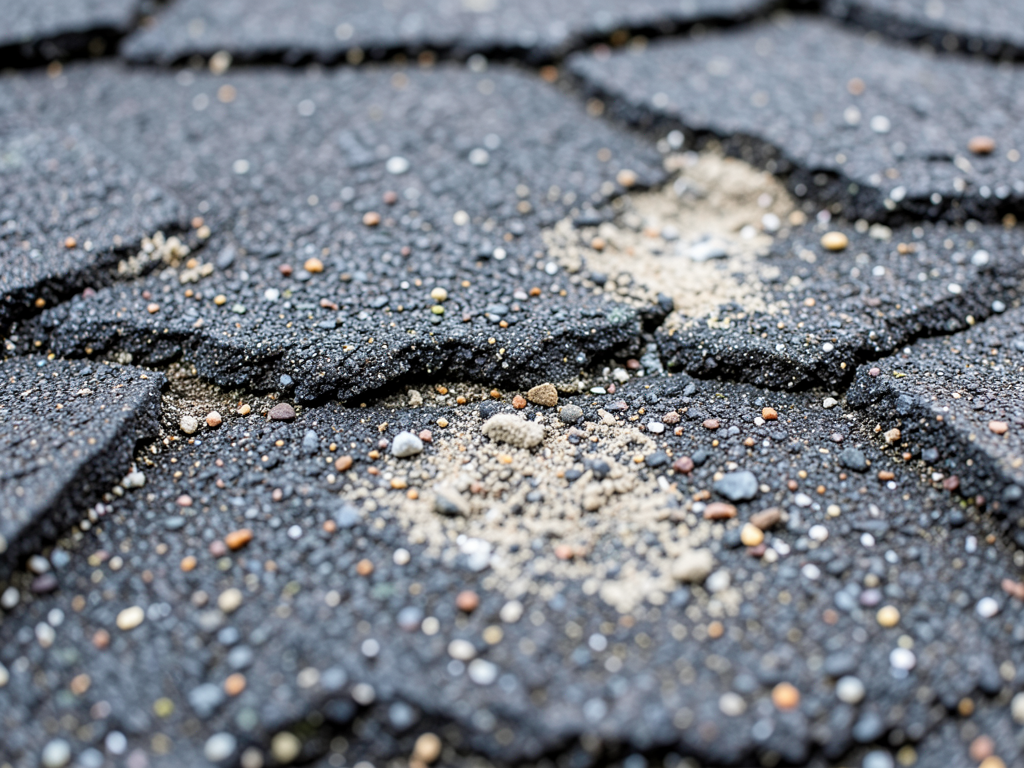
A roof breach in Denver creates a countdown. Every minute of exposure means water pouring into insulation, ceilings, and walls. Spring hailstorms can shred shingles in minutes. Summer downbursts rip off entire sections. Winter snow loads cause sudden collapses. You are facing escalating damage with every passing hour.

Denver's high elevation and intense UV exposure already stress roofing materials. When severe weather finally breaks through, the thin atmosphere offers no cushion. Hail hits harder at 5,280 feet. Wind gusts have less resistance. The freeze-thaw cycles that define our climate turn small leaks into structural failures overnight.

You need emergency roof tarp installation before the next weather system rolls through. Denver weather is unpredictable. A clear morning can turn into a torrential afternoon. Secondary water damage can triple your claim. Mold begins growing in 24 to 48 hours in wet building materials.

Our 24 hour roof tarping service stops the bleed. We secure temporary roof covering services while you wait for permanent repairs. Storm damage roof tarping is not cosmetic work. It is structural triage. The tarp must be anchored properly to resist Denver's high winds. It must be sealed against driving rain. It must cover the entire breach plus a safety margin to prevent edge infiltration.

When you call for urgent roof tarping, you are preventing a bad situation from becoming catastrophic. Insurance adjusters need to see the original damage, not weeks of water rot. We document everything, secure your property, and give you breathing room to make informed decisions about permanent repairs.

Denver Storms Don't Wait for Business Hours
How We Secure Your Roof in Critical Conditions

How We Secure Your Roof in Critical Conditions

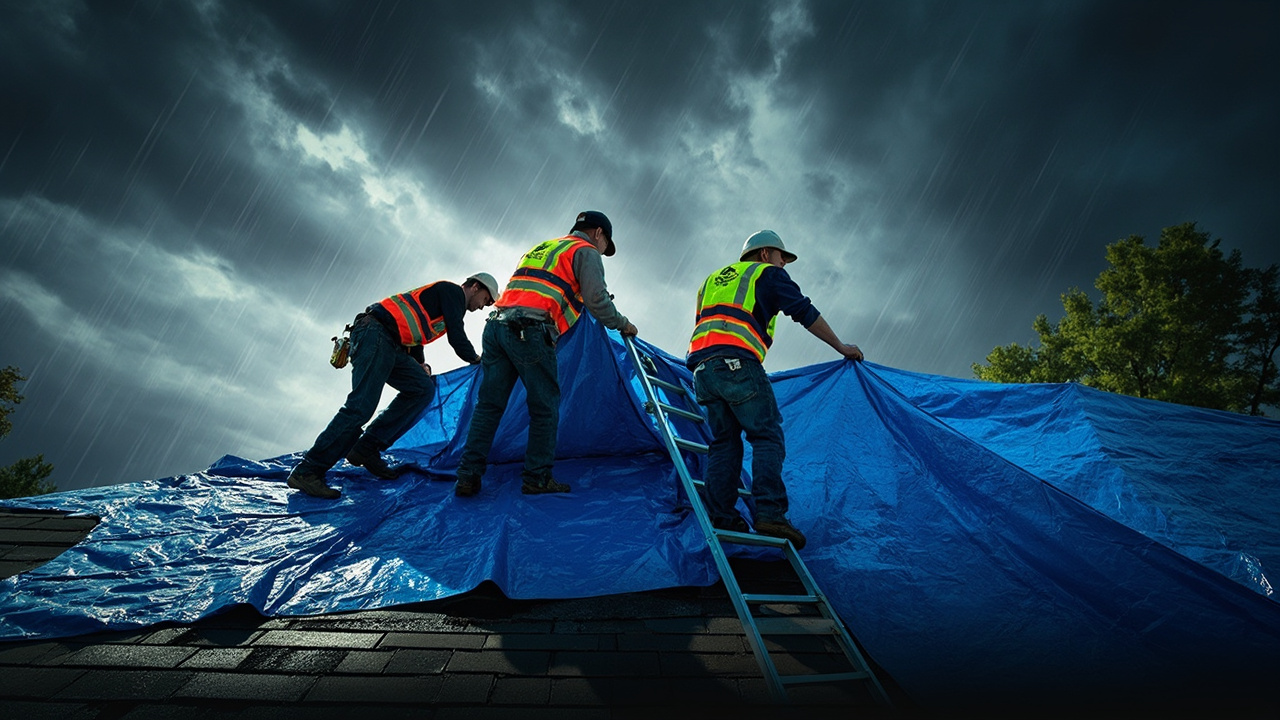
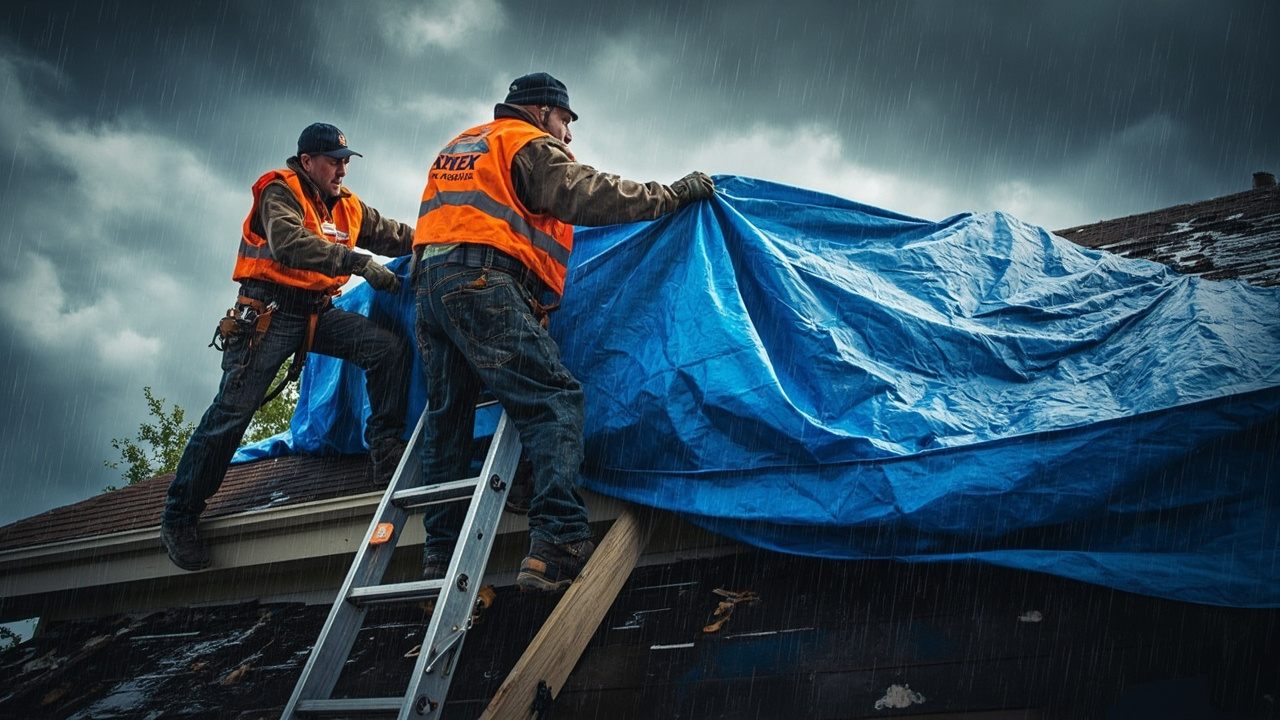
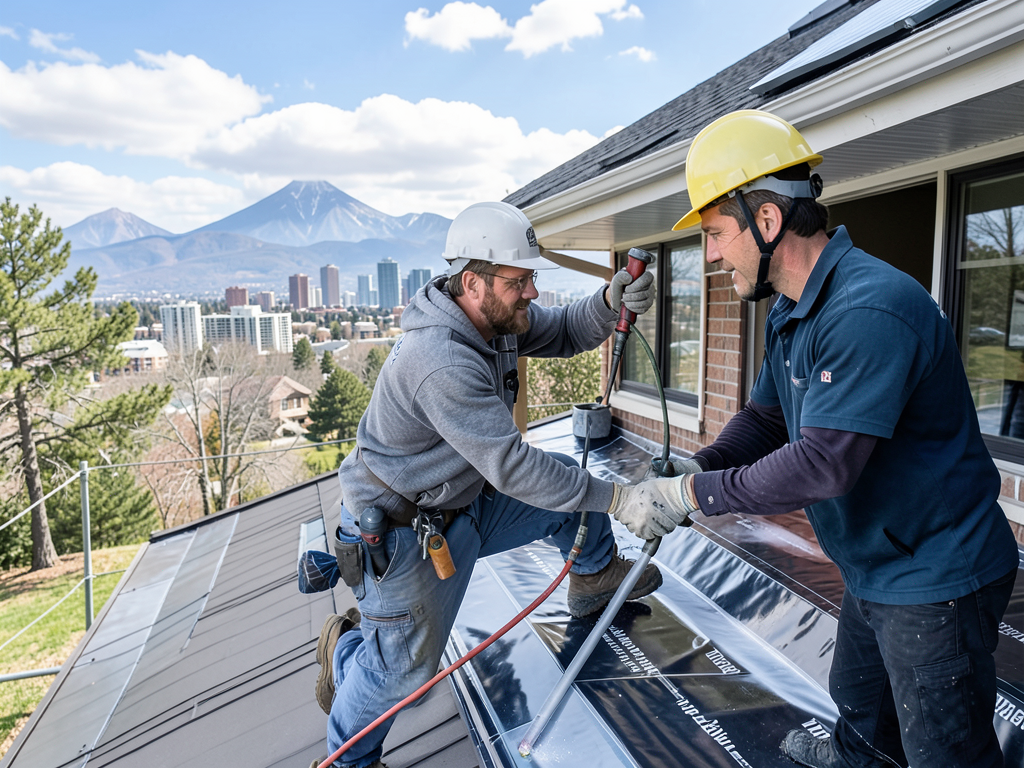
Emergency tarping is not about throwing a blue tarp over a hole. It requires precise anchoring, proper overlap, and an understanding of load distribution. We use commercial-grade polyethylene tarps rated for high wind and UV exposure. The material must be thick enough to resist puncture but flexible enough to conform to roof geometry.

Our crews assess the breach perimeter first. We identify compromised decking that cannot support anchor points. We locate sound structural members that can handle tension loads. On steep-pitch roofs common in Denver neighborhoods like Washington Park and Highlands, we use rope systems and harnesses to position tarps safely without causing additional damage.

We secure tarps with battens, not just nails. Battens are wood strips that distribute pressure across a wider area and prevent tearing. We overlap tarp sections by at least two feet and seal seams with polyurethane caulk. On flat or low-slope commercial roofs, we use sandbags or specialized roof anchors that do not penetrate the membrane.

Every tarp installation is photographed for your insurance claim. We document the damage extent, the tarping method, and any emergency conditions that required immediate action. We coordinate with adjusters to ensure the temporary protection does not interfere with the claims process.

For properties with active interior leaking, we deploy extraction fans and place catch basins before we climb on the roof. Water mitigation begins on the ground. Once the source is stopped, secondary damage can be managed. We work fast because we understand the physics of water intrusion. Gravity does not pause for paperwork.

Apex Roofing Denver treats every emergency tarping call as if the property were our own. Speed matters, but so does precision. A poorly installed tarp can cause more damage than it prevents.

What Happens When You Call for Emergency Roof Tarping

Emergency Tarping Service in Denver – Roofs Secured Within Hours, 24/7 Dispatch
01

Immediate Dispatch and Assessment

You call, we roll. Our dispatch team determines the severity and sends a crew immediately. We ask about active leaking, structure stability, and whether utilities need to be shut off. En route, we prepare the necessary materials based on your roof type. Upon arrival, we conduct a rapid safety assessment to determine if the structure can be accessed safely and identify all breach points.
02

Tarp Installation and Securing

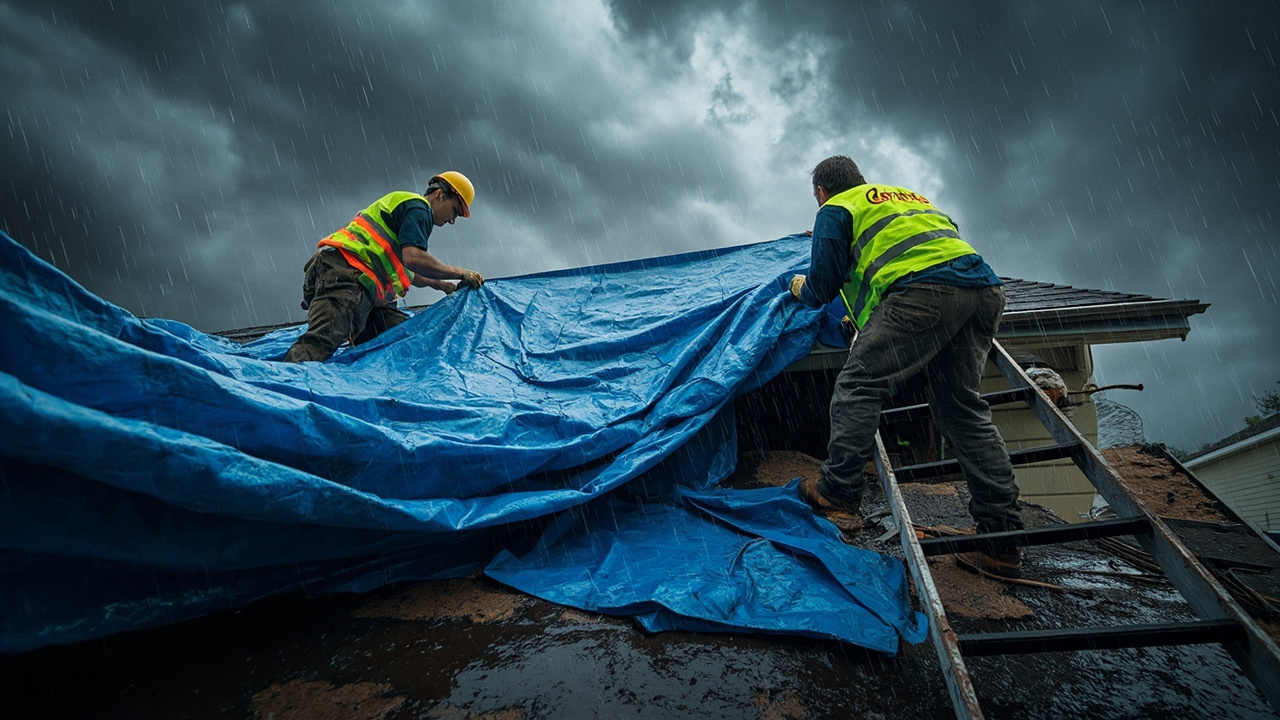
We position tarps to cover the damaged area plus an extended margin to prevent edge infiltration. Anchoring begins at the ridge and works downslope to maintain proper water shedding. We use battens and corrosion-resistant fasteners on steep slopes, weighted anchors on flat roofs. Every edge is sealed and tensioned to resist wind uplift. The installation is photographed from multiple angles for documentation purposes.
03

Documentation and Next Steps

We provide you with a written summary of the damage, the temporary measures taken, and recommendations for permanent repair. Photos are delivered digitally for your insurance claim. We explain what the tarp will and will not protect against, and how long it will remain effective. If needed, we schedule a follow-up inspection once the adjuster has completed their assessment to begin permanent restoration work.

Why Denver Property Owners Call Apex Roofing for Emergency Response

When your roof fails, you need a crew that knows Denver roofing systems and Denver weather patterns. We understand how hail impacts asphalt composition shingles versus concrete tile. We know that the rapid temperature swings between day and night stress sealant bonds. We have seen what happens when tarps are under-secured before a Chinook wind event.

Apex Roofing Denver operates with crews stationed locally. We are not routing trucks from Colorado Springs or Fort Collins when you call. Our response time reflects actual proximity, not marketing claims. During major storm events, we prioritize active leaks and structural hazards first, then move to properties with contained damage.

We work directly with every major insurance carrier active in the Denver metro. We know what documentation adjusters require. We understand how emergency services are categorized in claims. We do not inflate tarping costs to pad estimates. The temporary work is billed separately from the permanent repair, and we provide itemized invoices that meet insurance standards.

Our crews are trained in fall protection and OSHA compliance. Emergency does not mean reckless. We use proper safety equipment even under time pressure. Denver's high elevation already increases fatigue and reduces oxygen efficiency. We account for that in crew rotations and safety protocols.

You will speak to the same project manager from the emergency call through the final repair. Continuity matters when dealing with insurance timelines and contractor scheduling. We do not hand you off between departments or lose details in transition. The person who tarps your roof understands what the permanent fix requires.

We have tarped roofs in every Denver neighborhood from Stapleton to Lakewood, from Cherry Creek to Thornton. Local expertise is not about marketing. It is about knowing that certain subdivisions have OSB decking that delaminates fast when wet, or that historic homes in Curtis Park have skip sheathing that requires different anchoring techniques.

What You Can Expect from Our Emergency Tarping Service

Response Time and Availability

We maintain 24/7 dispatch every day of the year. During severe weather events, we deploy multiple crews simultaneously to handle volume. Average response time for active leaking situations in the Denver metro is under two hours. For contained damage with no interior exposure, we typically arrive within four hours. You receive an estimated arrival window when you call, and we update you if conditions change. Night calls are answered by crew leads, not voicemail systems.

Damage Assessment and Documentation

Before we install a single tarp, we walk the entire roof to identify all damage points. Hidden breaches often exist beyond the obvious failure. We photograph the damage from roof level and ground level. We measure the affected area and note any structural concerns like sagging decking or compromised trusses. You receive a digital report with photos, measurements, and our professional assessment of what repairs will be required. This documentation supports your insurance claim and prevents disputes about damage extent.

Quality of Temporary Protection

Our tarps are rated for six months of UV exposure and winds up to 60 mph when properly secured. We use minimum 12-mil polyethylene, not hardware store tarps. Anchoring exceeds minimum code for temporary structures. We inspect tarp integrity after major weather events and re-secure or replace sections if needed at no additional charge during the temporary protection period. The goal is to maintain a watertight barrier until permanent repairs can be completed, not just to pass an insurance inspection.

Follow-Up and Permanent Repair Coordination

We stay in contact throughout the claims process. If your adjuster needs additional documentation, we provide it immediately. We schedule the permanent repair as soon as the claim is approved and materials are available. You are not handed off to a different contractor. The same team that secured your emergency tarp completes the final restoration. We understand the scope of damage because we were there from the beginning. This continuity reduces errors, speeds up the repair timeline, and ensures nothing is missed between emergency response and final completion.

Frequently Asked Questions

You Have Questions,
We Have Answers

How much does it cost to emergency tarp a roof? +

Emergency roof tarping in Denver typically costs $300 to $1,500, depending on roof size, pitch, and damage extent. A simple residential tarp runs lower, while multi-story homes or commercial buildings cost more due to safety equipment and labor. Denver's freeze-thaw cycles make immediate tarping critical to prevent water intrusion and structural damage. Most reputable contractors offer 24/7 emergency response and can bill your insurance directly. Get a written estimate before work begins. The tarp is a temporary fix, not a long-term solution. Schedule a full roof inspection within 48 hours to assess permanent repair needs.

How to pay for a roof when you can't afford it? +

If you can't afford roof repairs upfront, explore financing options through roofing contractors who partner with lenders. Many Denver roofers offer payment plans with zero-interest periods. Check if you qualify for home equity loans or lines of credit. Contact your insurance company immediately to file a claim if storm damage occurred. Some nonprofit organizations in Colorado provide emergency home repair grants for low-income homeowners. SBA disaster loans become available after declared emergencies. Avoid predatory lenders. Get multiple quotes and ask about financing before work starts. Temporary tarping prevents further damage while you secure funding.

How much does insurance pay for tarping? +

Insurance typically covers emergency tarping as part of your claim when storm damage causes the need. Most policies reimburse $500 to $2,000 for temporary protective measures under dwelling coverage. Denver homeowners should document all damage with photos before tarping. Keep receipts and contractor invoices. Your adjuster will verify the tarp was necessary to prevent further loss. Some policies cover tarping as an immediate expense without deductible. Call your insurance company before hiring a contractor. Get the tarp installed quickly but photograph everything first. Delays can void coverage if additional damage occurs.

Will Fema put a tarp on my roof? +

FEMA does not provide free roof tarping services. FEMA's Blue Roof Program operated after hurricanes in coastal states but does not cover Denver. FEMA may offer disaster assistance grants after presidential disaster declarations, but these funds go toward home repairs, not emergency tarping. You must arrange and pay for tarping yourself or through insurance. Contact local roofing contractors for immediate 24/7 service. After severe hailstorms or windstorms in Denver, check if SBA disaster loans become available. FEMA assistance is rare in Colorado unless a major catastrophe occurs. Act fast and hire a local contractor.

Does insurance cover a roof tarp? +

Yes, homeowners insurance typically covers emergency roof tarping when storm damage creates an immediate threat. Your policy's dwelling coverage includes reasonable costs to protect your home from further damage. Denver's hail and windstorms often trigger this coverage. File your claim immediately and document all damage before tarping. Keep receipts from your contractor. Most adjusters approve tarping costs without applying your deductible since it prevents worse losses. Read your policy's duties after loss section. You must act quickly to mitigate damage or risk claim denial. Tarping is temporary. Schedule permanent repairs once your claim processes.

How much to put a roof on a 2000 sq ft house? +

A full roof replacement on a 2,000 square foot home in Denver varies widely based on materials, pitch, and complexity. Asphalt shingles are most affordable. Metal roofing and tile cost more but last longer in Colorado's freeze-thaw climate. Factors include tear-off costs, underlayment quality, flashing repairs, and permit fees. Denver's building codes require specific wind ratings due to Front Range winds. Get three written estimates from licensed contractors. Check if insurance covers replacement or just repairs. Emergency tarping buys you time to plan financing and choose quality materials without rushing decisions during panic.

How old may a roof be before insurance claims it's too old? +

Most insurance companies in Colorado limit coverage for roofs over 15 to 20 years old. Policies often switch from replacement cost to actual cash value for aging roofs, reducing payouts significantly. Denver's intense UV exposure and hail accelerate roof aging. Some insurers require inspections for roofs over 10 years old before renewing policies. If your roof fails due to wear and neglect rather than storm damage, insurance may deny your claim entirely. Keep maintenance records. After hailstorms, get inspections quickly before age becomes a factor. Consider replacing aging roofs proactively to maintain full coverage.

What is the roof grant for the US government? +

The federal government does not offer a general roof grant program. The Weatherization Assistance Program helps low-income households with energy efficiency, sometimes including roof repairs if they affect insulation. This program operates through Colorado's energy office. HUD offers home repair grants for seniors and disabled homeowners. Veterans may qualify for VA-backed home improvement loans. After disaster declarations, FEMA provides limited grants, but these rarely cover full roof replacements. SBA disaster loans offer low-interest financing, not grants. Most Denver homeowners must rely on insurance claims, personal financing, or contractor payment plans for roof work.

Can I pay monthly for a new roof? +

Yes, many Denver roofing contractors offer financing with monthly payment plans. Options include zero-interest promotional periods through third-party lenders or in-house payment plans. Qualify based on credit score and income. Financing terms range from 12 to 60 months. Read contracts carefully for hidden fees or high-interest rates after promotional periods end. Some contractors partner with banks that specialize in home improvement loans. Insurance claims may also allow payment plans if you owe a large deductible. Avoid contractors who pressure you into financing before providing detailed estimates. Compare rates and get everything in writing.

What not to say to insurance adjuster roof? +

Never admit fault or say your roof was old and needed replacement anyway. Do not exaggerate damage or guess at causes. Avoid saying "I think" or speculating about storm dates. Do not agree to cash settlements without understanding full repair costs. Never sign releases or recorded statements without reading carefully. Do not let adjusters pressure you into quick decisions. In Denver, hail damage can be subtle. Do not accept denials without getting a second opinion from your contractor. Stick to facts. Provide documentation and photos. Say you need time to review their estimate. Get everything in writing before agreeing.

Why Denver's Extreme Weather Makes Emergency Roof Tarping Critical

Denver experiences over 300 days of sunshine, but when storms hit, they hit hard. The city sits at the convergence of multiple weather patterns. Hailstorms form rapidly when warm plains air collides with cold mountain downdrafts. These storms produce hail large enough to puncture shingles and crack flashing in minutes. The high UV index at 5,280 feet already degrades roofing materials faster than at sea level. When a storm breaches that weakened surface, water intrusion happens fast. Emergency roof tarp installation becomes the only barrier between a repairable roof and a total replacement. The Front Range experiences sudden temperature drops of 40 degrees in hours. Wet building materials freeze, expand, and cause additional cracking. Every hour without protection compounds the damage.

Denver building codes require specific wind uplift ratings for roofing systems due to frequent high wind events. Emergency tarping must meet similar standards to remain effective. Local contractors understand these requirements. We know which neighborhoods experience the worst hail damage based on storm track patterns. We have worked with every major insurance carrier that operates in the Denver metro. Adjusters recognize our documentation standards and trust our damage assessments. Choosing a local emergency tarping service means working with professionals who understand Colorado weather, Denver building codes, and the insurance claim process specific to this market. National chains dispatch crews from out of state during major events. Those teams do not know local conditions and often install tarps that fail during the next weather system.
Roofing Services in The Denver Area

Looking for trusted roofing services near you? Apex Roofing Denver proudly serves homeowners and businesses across the greater Denver area with expert roof repairs, replacements, inspections, and storm damage restoration. From Aurora to Lakewood and Thornton to Centennial, our experienced roofing team is ready to deliver fast, dependable solutions. Use the map below to explore our service areas and find top-rated roofing help near your neighborhood.

Address:
Apex Roofing Denver, 2301 Blake St, Denver, CO, 80205

Additional Services We Offer

Our news updates

Latest Articles & News from The Blogs

Lorem ipsum dolor sit amet. Aut expedita quaerat quo eligendi numquam et laudantium perspiciatis qui minima expedita rem consequatur ducimus.…

Test Blog 4

Lorem ipsum dolor sit amet. Aut expedita quaerat quo eligendi numquam et laudantium perspiciatis qui minima expedita rem consequatur ducimus.…

Test Blog 3

Lorem ipsum dolor sit amet. Aut expedita quaerat quo eligendi numquam et laudantium perspiciatis qui minima expedita rem consequatur ducimus.…

Test Blog 2

Lorem ipsum dolor sit amet. Aut expedita quaerat quo eligendi numquam et laudantium perspiciatis qui minima expedita rem consequatur ducimus.…

Contact Us

Your roof is failing right now. Every minute increases the damage and the cost. Call Apex Roofing Denver at (720) 484-8300 for immediate dispatch. We answer 24/7, deploy fast, and secure your property properly. Stop the leak before it becomes a catastrophe.