





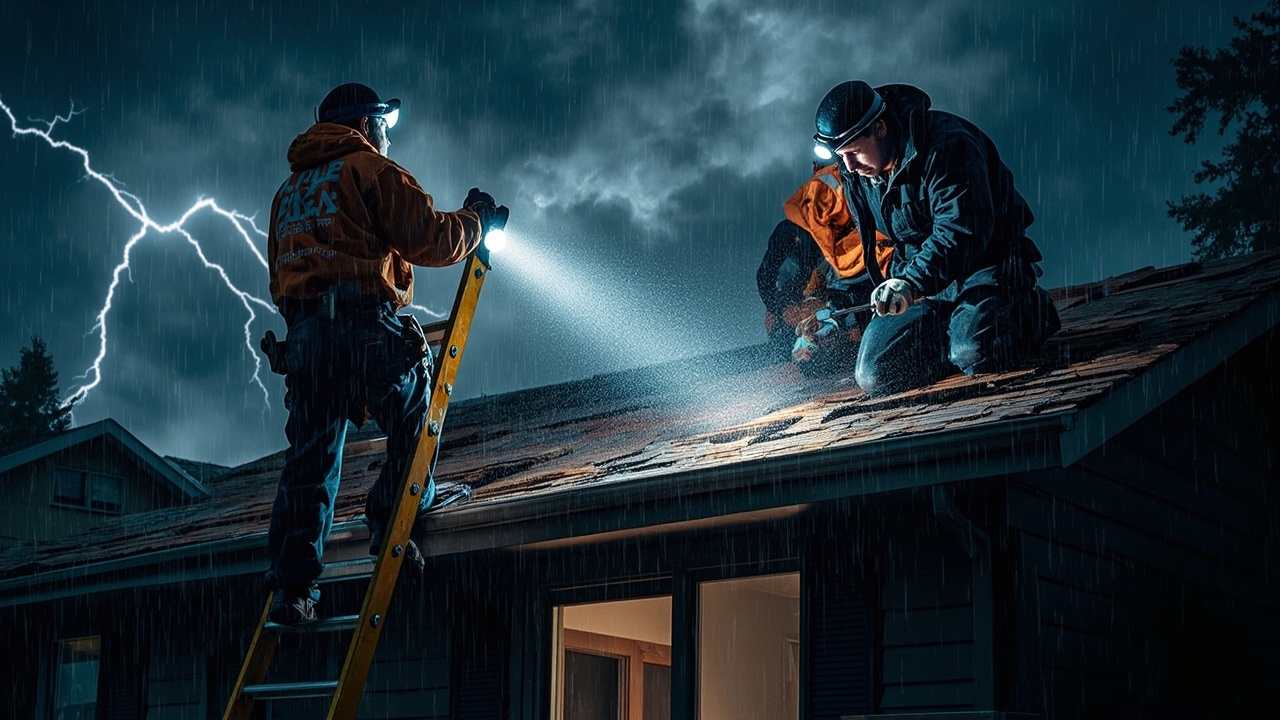
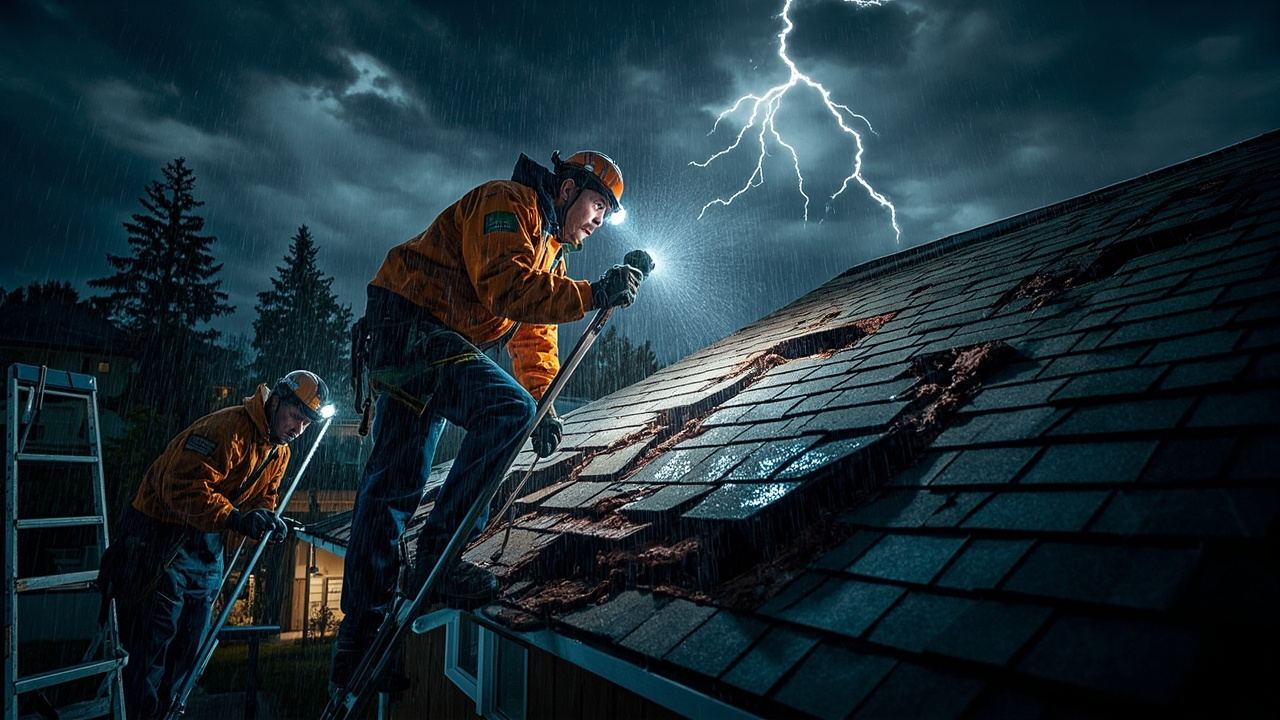
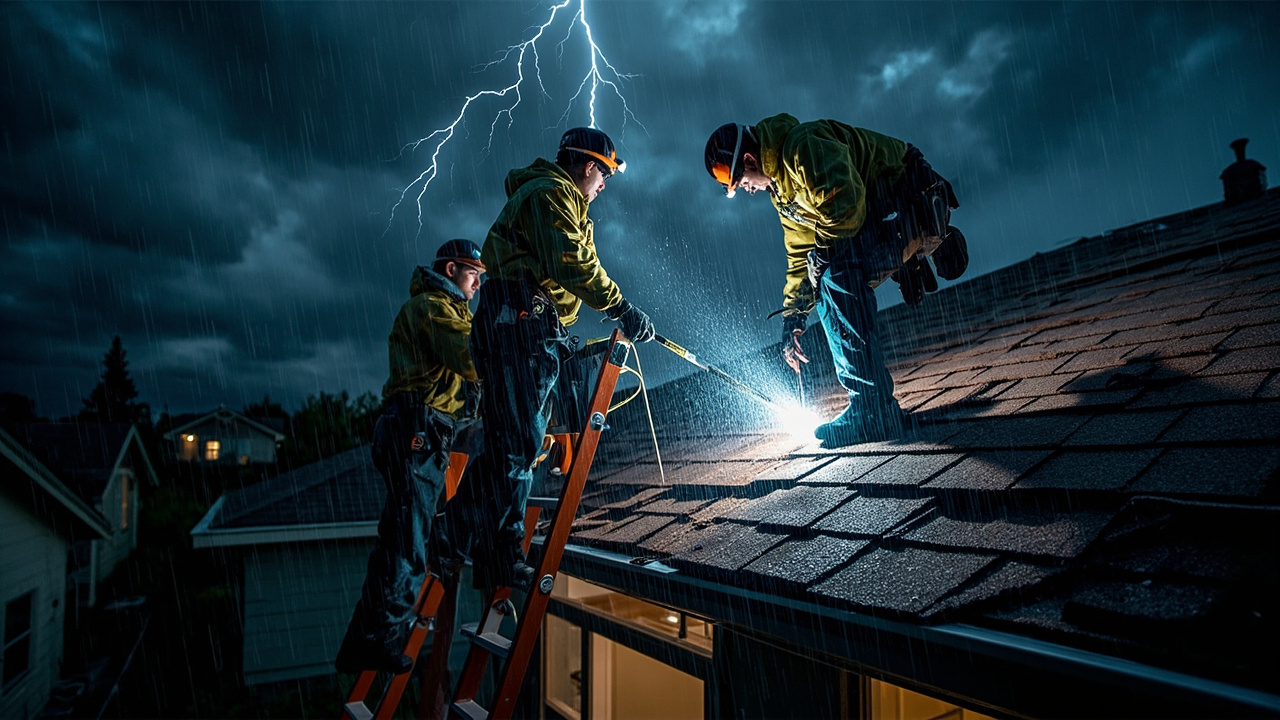
Denver experiences an average of 80 freeze-thaw cycles per year, more than most cities at similar latitudes. When temperatures swing 30 degrees between afternoon and overnight, any moisture trapped in roofing materials expands and contracts repeatedly. This cycle cracks sealant around flashing, lifts shingle edges, and splits wood decking along grain lines. A small leak that starts in November can quadruple in size by March because each freeze-thaw event widens the breach. Emergency roofing services in Denver are not just about stopping active leaks. They are about preventing minor damage from escalating through repeated freeze-thaw stress that turns a simple patch into a full tear-off.
Choosing a local emergency roofing contractor familiar with Denver's building codes and permit requirements prevents complications during insurance claims. The city requires structural permits for any repair involving roof decking or framing, even temporary shoring. Out-of-area contractors often miss this requirement, leaving you with unpermitted work that complicates future sales or refinancing. Apex Roofing Denver maintains relationships with city inspectors and knows which emergency repairs qualify for expedited permitting. We also understand Denver's snow load requirements and wind uplift standards, ensuring temporary repairs meet code and will pass inspection when permanent work begins. This local knowledge protects your investment and speeds insurance processing.